Okay, I will rewrite the article "GLP-1s & Weight Loss: Separating Fact from Fiction in Reality TV" to be more engaging, accurate, and informative, while maintaining the original meaning and facts. Here's the revised article:
Rewritten Article:
GLP-1s & Weight Loss: Reality TV Sparks a Real Conversation
As seen on reality television, trends often mirror real-life, albeit sometimes with a distorted lens. The use of GLP-1 receptor agonists like Ozempic and Mounjaro for weight loss has recently become a hot topic, with celebrities either openly discussing or denying their involvement. This has sparked a broader discussion about weight management, metabolic health, and whether medications or lifestyle changes are more important.
What are GLP-1s and Why the Hype?
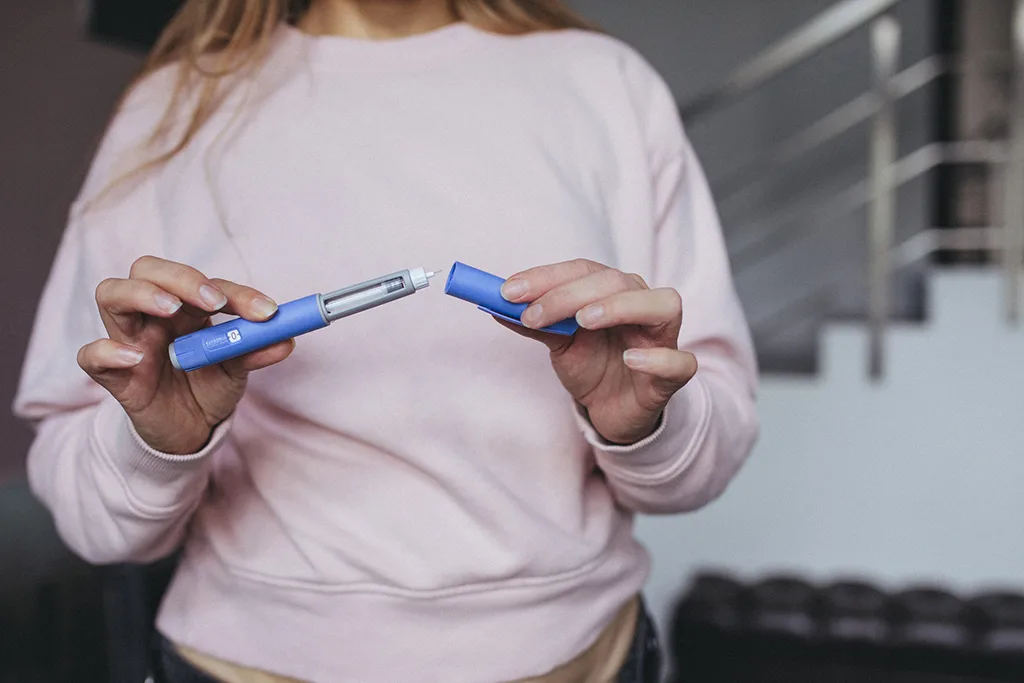
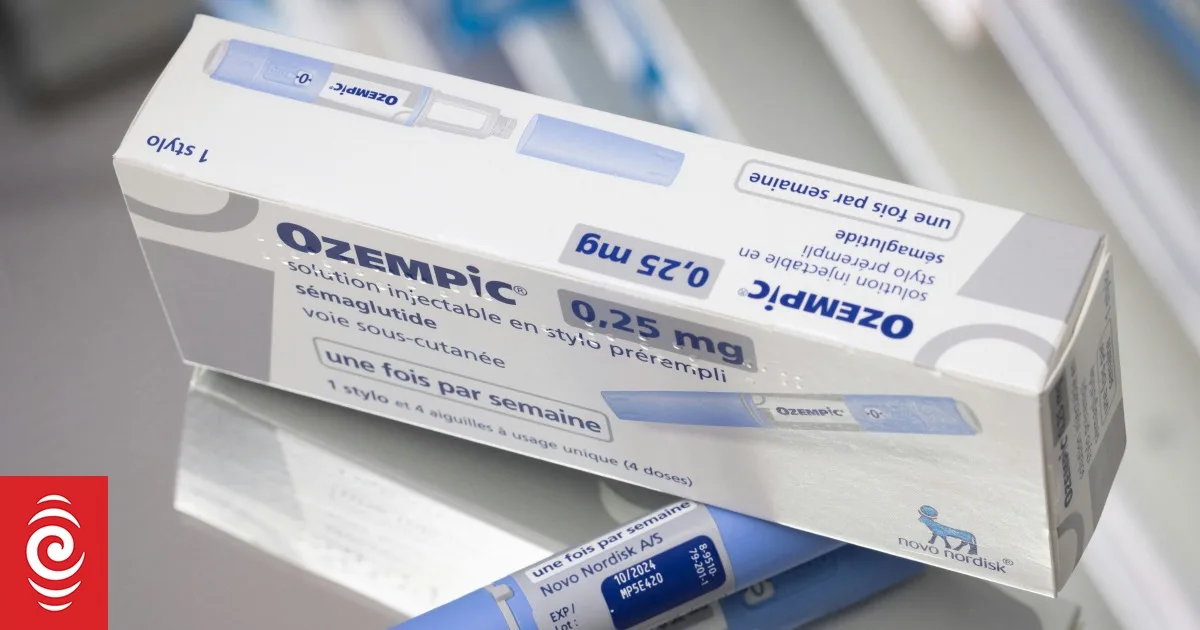
GLP-1s, such as semaglutide (found in Ozempic and Wegovy) and tirzepatide (Mounjaro), were initially developed to treat type 2 diabetes. They mimic the naturally occurring GLP-1 hormone, which:
* Stimulates insulin release after meals. * Suppresses glucagon secretion, reducing glucose production. * Slows gastric emptying, promoting feelings of fullness and aiding weight loss.
Their effectiveness in promoting weight loss has led to increased demand, sometimes overshadowing the importance of long-term sustainable strategies.
Beyond the Jab: Sustainable Weight Management Strategies
Precision tracking for your journey
Join thousands using Shotlee to accurately track GLP-1 medications and side effects.
📱 Get the Shotlee App
Track your GLP-1 medications, peptides, and health metrics on the go with our mobile app!
While GLP-1 medications can be effective, they aren't a magic bullet. Long-term health and sustainable weight management depend on a holistic approach. This includes:
* Balanced Diet: Focus on whole, unprocessed foods, prioritizing lean protein, healthy fats, and fiber-rich carbohydrates. * Regular Exercise: Aim for a mix of cardiovascular exercise and strength training to boost metabolism and build muscle mass. * Stress Management: Chronic stress can lead to hormonal imbalances and weight gain. Incorporate stress-reducing activities like yoga, meditation, or spending time in nature. * Adequate Sleep: Sleep deprivation can disrupt hormones that regulate appetite, leading to increased cravings and weight gain.
According to a study in the *New England Journal of Medicine*, lifestyle interventions, even without medication, can significantly improve metabolic health and promote weight loss.
The Role of Health Tracking
Understanding how your body uniquely responds to different foods, activities, and stressors is crucial for personalized health management. Tools like Shotlee can help track key metrics like weight, activity levels, sleep patterns, and even mood, providing valuable insights into what works best for you. This data-driven approach empowers you to make informed decisions and optimize your wellness journey.
Peptide Therapy and the Future of Wellness
Beyond GLP-1s, other peptide therapies like BPC-157 are gaining attention for their potential healing and regenerative properties. While research is ongoing, BPC-157 has shown promise in promoting gut health, reducing inflammation, and accelerating tissue repair. It's important to consult with a qualified healthcare professional to determine if peptide therapy is appropriate for your individual needs and health goals.
Conclusion: Prioritizing Holistic Health and Informed Choices
The conversations surrounding GLP-1 medications highlight the growing desire for effective weight management solutions. However, it's essential to remember that sustainable health and wellness are built on a foundation of balanced nutrition, regular exercise, stress management, and sufficient sleep. By adopting a holistic approach and leveraging health-tracking tools, you can empower yourself to make informed choices and achieve long-term well-being.