
How Weight-Loss Drugs are Evolving: What You Need to Know About GLP-1s
The high cost and inconsistent insurance coverage of weight-loss drugs have placed them beyond the reach of many individuals, despite their soaring popularity. Cheaper pill options could potentially alter this landscape.
Here's an overview of the most recent developments in weight-loss medications and the shifting dynamics of access to these treatments.
How Do These Medications Induce Weight Loss?
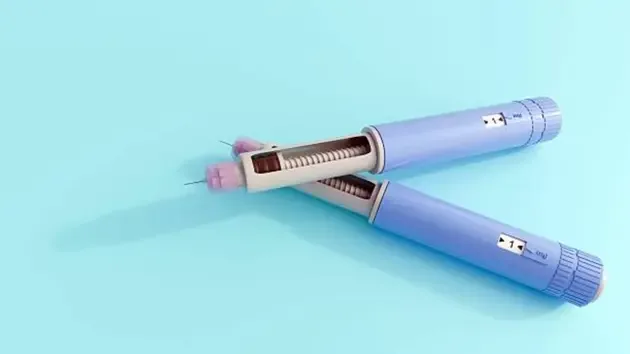
Wegovy and Zepbound facilitate weight loss by imitating GLP-1, a gut hormone that controls appetite. Released post-meal, GLP-1 creates a sensation of fullness. Additionally, Zepbound targets GIP, another related gut hormone, which aids in reducing blood sugar and may enhance metabolism. Novel drugs under development, such as CagriSema from Novo and retatrutide from Lilly, combine GLP-1 with other hormones.
What Side Effects Are Commonly Experienced?
Frequently, gastrointestinal issues such as diarrhea, vomiting, and nausea are observed as side effects of weight-loss drugs. According to a recent KFF poll, approximately 13% of adults who have used a GLP-1 medication discontinued its use due to these side effects.
Determining the Most Effective Weight-Loss Drug
According to research funded by Lilly, Zepbound outperformed Wegovy by helping individuals reduce their waistlines by an additional two inches, with Zepbound users experiencing about 47% greater weight loss over a 72-week period. Patients taking Zepbound in the research were twice as likely to achieve a minimum of 25% body weight reduction compared to the Wegovy group.
Waistline reduction is particularly important as it serves as a proxy for harmful abdominal fat surrounding organs. The research indicated that patients on Zepbound experienced an average waistline reduction of 18.4 centimeters, compared to 13 centimeters on Wegovy.
Given the link between belly fat and conditions like strokes, heart attacks, and diabetes, medical professionals generally advise maintaining a waistline no more than half a person's height.
Beyond weight loss, both drugs offer additional benefits. Wegovy stands out as the only GLP-1 medication with proven effectiveness in preventing cardiovascular events and heart attacks in individuals with heart disease and obesity. Furthermore, Zepbound is the first approved medication for treating sleep apnea. Health tracking apps like Shotlee can help monitor progress and potential side effects.
Lilly is also developing a next-generation weight-loss drug that shows even greater potential. A recent late-stage study of Retatrutide, which combines glucagon, GIP, and GLP-1, showed a 23% weight loss. These outcomes position it as a potential leading obesity treatment. The patients in the study, who also had knee osteoarthritis, showed a reduction in knee pain of over 62%. Lilly is conducting several trials to assess retatrutide's effectiveness in treating obesity and related conditions like kidney disease and heart disease. The company plans to release findings from these additional studies starting next year.
Examining the Pricing of Weight-Loss Medications
To assist individuals without insurance, both Novo and Lilly have begun providing their medications at reduced cash prices. In a deal with the Trump administration, both companies announced in November that they would lower their US prices for both Medicare recipients and cash-paying customers.
However, the out-of-pocket costs for these drugs remain substantial, totaling hundreds of dollars each month, rendering them inaccessible for many.
Precision tracking for your journey
Join thousands using Shotlee to accurately track GLP-1 medications and side effects.
📱 Get the Shotlee App
Track your GLP-1 medications, peptides, and health metrics on the go with our mobile app!
Under the agreement with the Trump administration, Novo and Lilly also committed to charging only $149 per month for the lowest dose of their upcoming pill formulations.
What Changes Are Happening with Insurance Coverage?
Many patients have been unable to obtain or have lost coverage from insurers unwilling to cover these costly drugs, forcing them to pay out of pocket or, until recently, seek compounded versions. Mercer's 2024 National Survey of Employer-Sponsored Health Plans indicates that approximately 44% of large employers cover these drugs for weight loss, but almost all impose restrictions on coverage, limiting it to individuals who meet specific criteria.
Historically, Medicare, the government's health plan for Americans aged 65 and older, has not covered weight-loss drugs. However, it has recently begun covering Zepbound for sleep apnea and Wegovy for heart disease following regulatory approvals for these uses. In exchange for the price reductions from Novo and Lilly, the Trump administration is broadening access to these medications for some Medicare patients.
According to the Trump administration agreement, individuals with a body mass index (BMI) between 27 and 29 will qualify for the drugs if they also have another health condition, such as cardiovascular disease or prediabetes. Those with a BMI in the low 30s will be eligible if they have uncontrolled hypertension, kidney disease, or heart failure, and those with a BMI over 35 will be able to obtain the medications for weight alone. These changes are set to take effect around the middle of next year, with patients paying only $50 per month out of pocket.
Analysts anticipate that these adjustments to Medicare coverage will extend access to approximately 10 million additional patients. Lilly estimates that approximately 8.5 million people are currently using these drugs.
The impact of this agreement on patients with Medicaid, which is managed by individual states, remains uncertain. While several state Medicaid plans cover weight-loss drugs, the expense of covering so many users has strained government budgets. States like California and North Carolina have responded by dropping coverage for Wegovy and Zepbound for weight loss. Lower prices negotiated by the Trump administration may prompt states to reconsider.
Are Weight-Loss Drug Supply Shortages Still Happening?
After the drugs were introduced, both Novo and Lilly faced challenges in meeting demand for several years. According to the US Food and Drug Administration, the supply shortages had largely been resolved by the beginning of 2025.
When Will Weight-Loss Drug Pills Be Available?
Pill versions of popular injectable medications are anticipated to become available to patients starting in 2026. In December, Novo obtained FDA approval for its weight-loss pill and intends to begin selling it in the US in January. The approval was based on the results of the Oasis 4 trial, which indicated that individuals taking a 25 milligram pill each day experienced approximately 13.6% body weight reduction over 64 weeks. The company reported that it submitted applications for approval in Europe and other regions worldwide in the latter half of 2025.
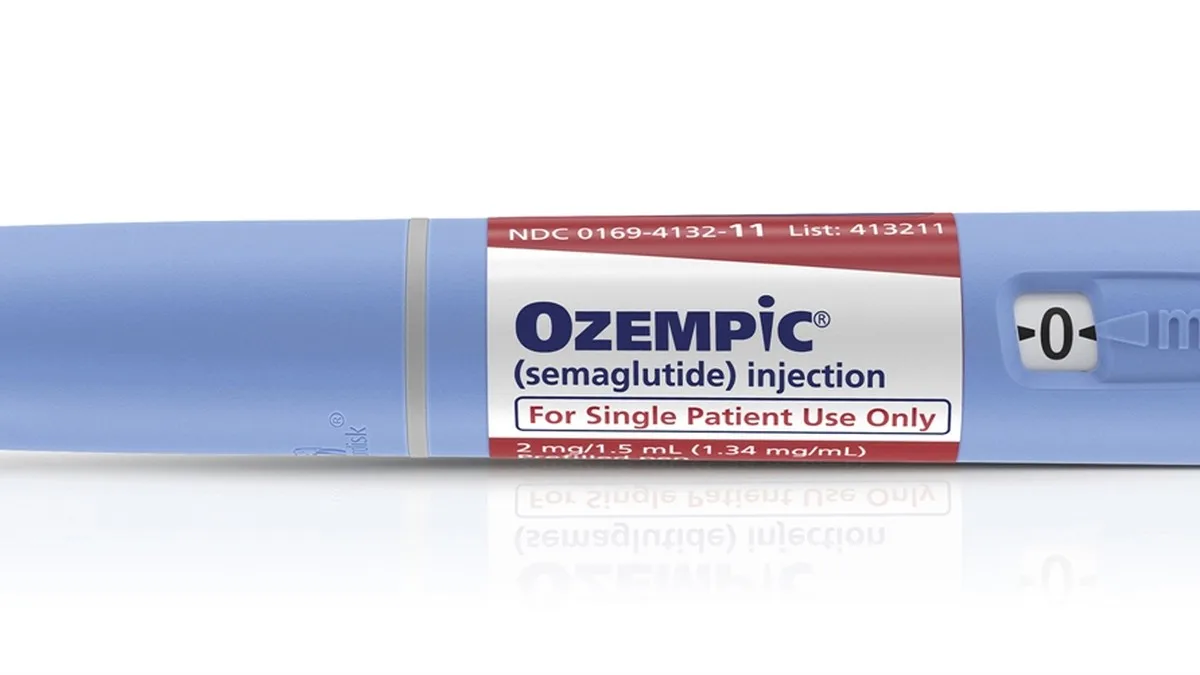
Novo's pill utilizes a substantial amount of semaglutide, the active ingredient also found in Wegovy and Ozempic, its top-selling injectable diabetes treatment. Despite Novo investing billions to increase production, ensuring an adequate supply of semaglutide could prove challenging. In clinical trials, Novo's pill seemed slightly more effective than a similar medication being developed by Lilly, which resulted in approximately 11% weight loss. However, the Novo version carries more usage restrictions. Patients must take it first thing in the morning on an empty stomach with only a sip of water and then wait 30 minutes before eating or drinking. Lilly's pill, orforglipron, does not have these restrictions.
The FDA granted Lilly's pill an expedited review under a new voucher program launched in 2025. Lilly CEO Dave Ricks has stated that he expects approval of the pill as early as March.
Other companies, including Structure Therapeutics Inc. and Pfizer Inc., are also working on developing their own weight-loss pills.