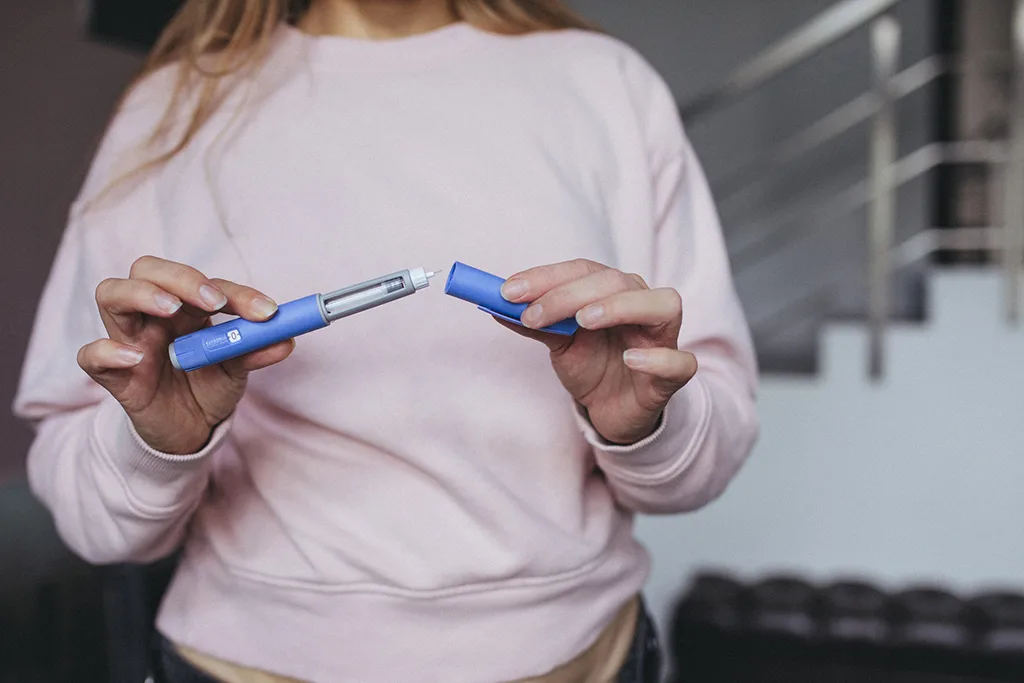

A pharmaceutical revolution driven by GLP-1 drugs is transforming the grocery aisle and sending ripples through the agri-food supply chain.
Originally for Type 2 diabetes, these medications are now popular for weight loss, with roughly 12% of North American adults currently using them. Usage is projected to surge, altering eating patterns, consumption volumes, and shopping behaviors.
Expert Insights on GLP-1 Food Shifts
JP Frossard, consumer goods analyst at Rabobank, highlights that GLP-1 drugs extend beyond pharmaceuticals.
Precision tracking for your journey
Join thousands using Shotlee to accurately track GLP-1 medications and side effects.
📱 Get the Shotlee App
Track your GLP-1 medications, peptides, and health metrics on the go with our mobile app!
"The first impact is people on those drugs eat less," he says. "Once you eat less, you become more careful—what are you actually going to eat?"
Key Changes in Consumer Preferences
- Shift from empty-calorie foods like sugary snacks, fried items, and alcohol.
- Increased focus on higher-protein and higher-fiber options.
- Alignment with gut health trends, reduced ultra-processed foods, and natural eating.
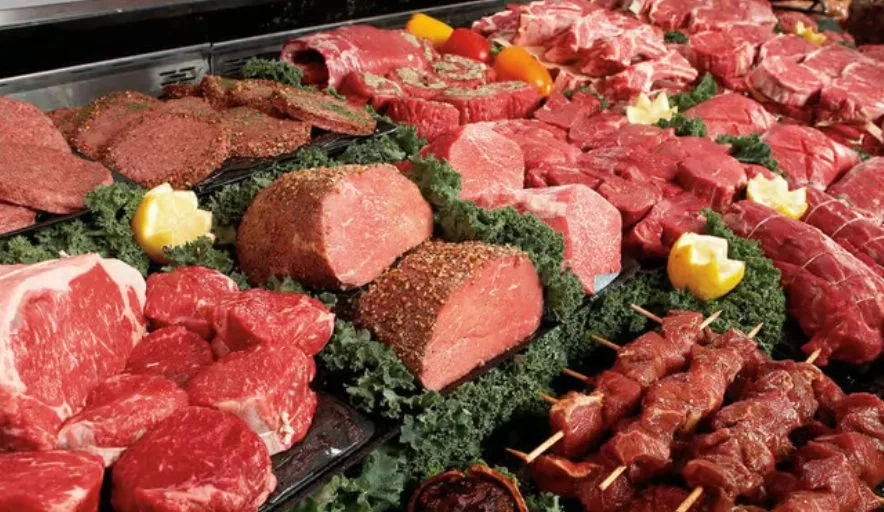
This boosts demand for animal protein, dairy, and minimally processed staples.
Product Innovation and Taste Changes
Expect advancements in fiber- and protein-enriched products, smaller portions, and adjusted flavors to suit altered tastes from GLP-1 use.
"There's a lot of challenge in rethinking formulations. Maybe we don't need cookies as sweet as before. Maybe saltiness perception is different."
Agricultural Implications
Lower calorie intake favors quality over quantity, pressuring sugar, snack ingredients, and soft drinks while opening growth for animal protein and fiber-rich crops.