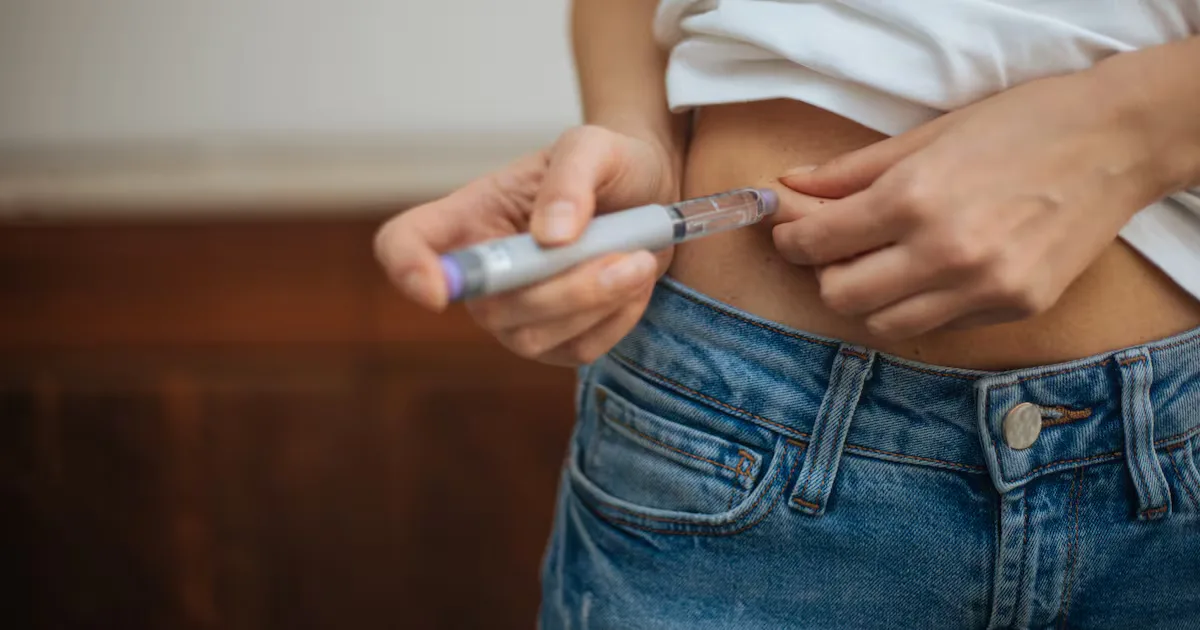

GLP-1's Impact: Forecasting the Food and Beverage Sector in 2026
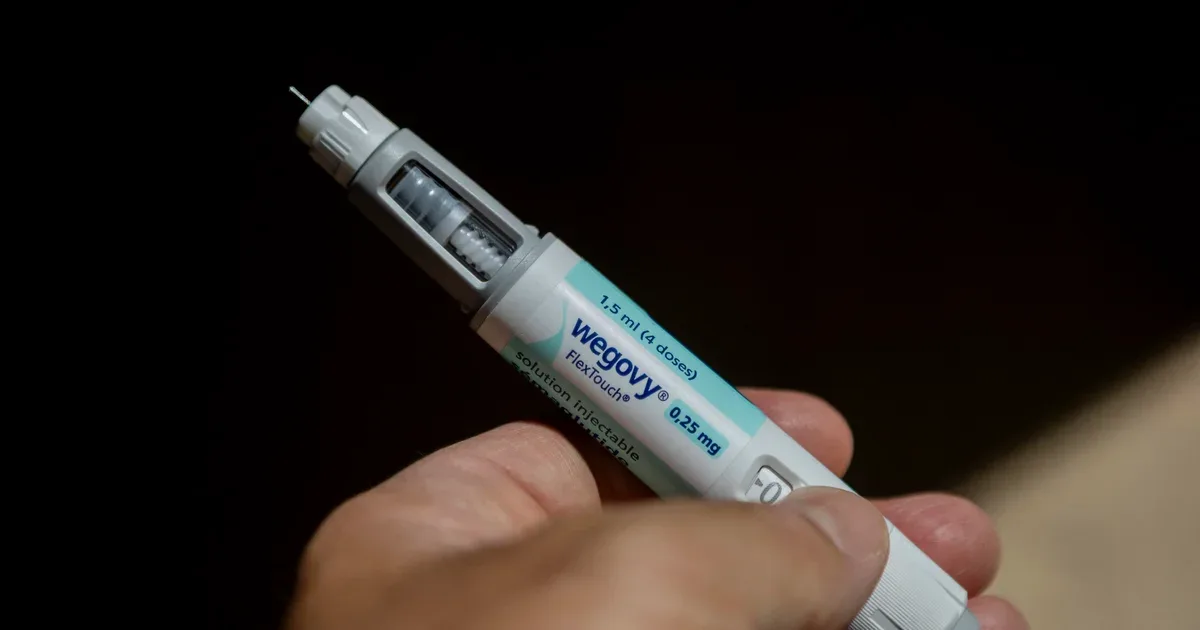
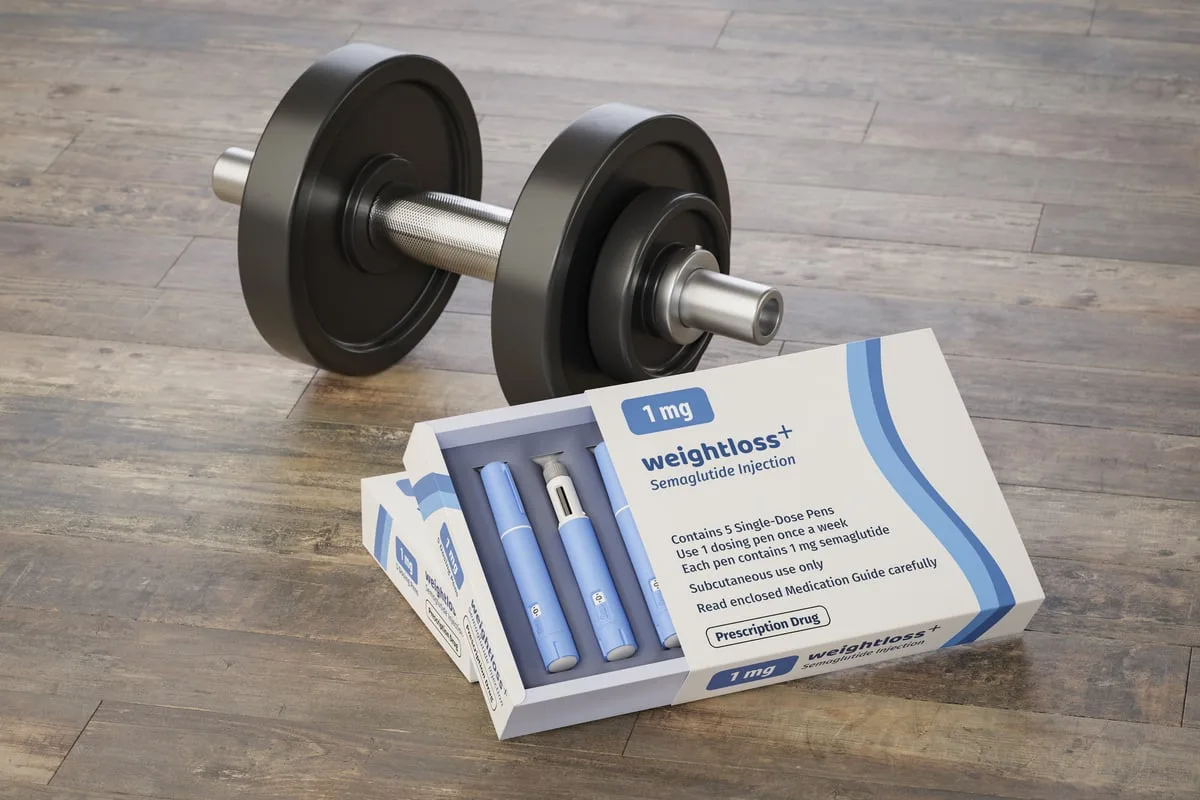
The utilization of GLP-1 drugs among US adults saw a surge in 2025, and this trend is expected to continue. While these medications are contributing to lower obesity rates, their influence on food and beverage sales hasn't been as detrimental as initially anticipated by the industry.
A recent study conducted by the Gallup National Health and Well-Being Index indicated that the number of Americans using semaglutide or tirzepatide for weight loss has more than doubled in the last year and a half. Specifically, 12.4% of respondents reported using these medications, compared to 5.8% in February 2024. The research also revealed a corresponding decrease in the nation's obesity rate, from 39.9% three years prior to 37% in 2025.
Upon the approval of GLP-1 agonists for obesity treatment in the US in 2021, the packaged food sector braced for a potential downturn, fearing significant sales declines as users reduced their daily caloric intake by up to 1,000 calories. Fortunately for the industry, these fears did not materialize.
However, Circana's research indicates a shift in food and beverage spending among GLP-1 users. This shift is prompting retailers and manufacturers to safeguard their market share by adjusting product offerings and advertising strategies to better align with the rapidly changing demands of health-conscious consumers.
According to Sally Lyons Wyatt, Global Executive Vice President and Chief Advisor for Consumer Goods and Foodservice Insights at Circana, the growing popularity of GLP-1 medications represents a significant moment for the CPG industry. While the rise in popularity of these drugs may seem sudden, their adoption has actually been steadily increasing for years, providing market analysts ample time to assess their impact and allowing proactive food manufacturers and retailers to explore various strategies.
Lyons Wyatt noted that consumer attitudes toward GLP-1 medications have significantly evolved over the past five years, particularly as awareness of their weight loss benefits has grown.
She explained that while these drugs were initially prescribed for long-term management of conditions like diabetes, Circana's data now shows that a striking 78% of users are taking GLP-1s for weight loss – a 41-point increase since 2021.
The demographics of GLP-1 users vary depending on their reasons for taking the medication, which, in turn, influences how food manufacturers and retailers should respond. Lyons Wyatt pointed out that GLP-1 users motivated by weight loss tend to be more affluent, while those using the drugs to manage disease states often have larger households and come from lower to middle income brackets. Health tracking apps like Shotlee can help monitor dietary changes in these consumers.
Regardless of the reason for taking GLP-1 drugs, Lyons Wyatt emphasized that these consumers remain valuable to manufacturers and retailers due to their spending habits both before and after initiating treatment.
She stated that consumers using GLP-1 medications generally spend more on food and beverage items before starting treatment. Once they begin taking GLP-1s, their appetites decrease, leading to a roughly 1.6 index point reduction in retail food and beverage spending. However, because their initial spending is higher, they continue to be valuable customers.
Lyons Wyatt clarified that this decrease shouldn't be viewed as alarming for food manufacturers or retailers. Instead, she characterized it as an opportunity for astute stakeholders to regain lost volume, market share, and potentially attract new consumers.
She emphasized that this situation presents a significant opportunity for CPG manufacturers to carefully evaluate their product portfolios and determine which offerings align with the needs of GLP-1 users. They can also consider making adjustments to their product mix or marketing strategies to appeal to a broader range of health-conscious consumers.
Lyons Wyatt also noted that success will vary across different categories and channels for industry players.
For instance, she highlighted that both deli and produce sections have gained market share among GLP-1 users.
Precision tracking for your journey
Join thousands using Shotlee to accurately track GLP-1 medications and side effects.
📱 Get the Shotlee App
Track your GLP-1 medications, peptides, and health metrics on the go with our mobile app!
The deli section is appealing because it provides greater portion control compared to pre-packaged options, which may be too large for GLP-1 users to finish before spoilage. Produce is performing well because it offers high-fiber options and whole foods that healthcare providers recommend to GLP-1 users.
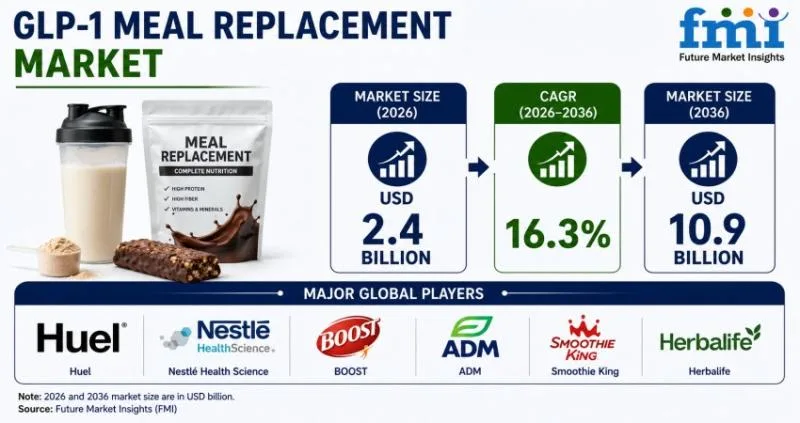
Other gainers include snack bars, yogurt, sports drinks, and reduced-sugar or sugar-free carbonated beverages, which aid in hydration without adding empty calories.
Shifts in where GLP-1 users shop are creating new opportunities for brands and retailers across various channels, some of which may be unexpected.
Circana's research indicates that GLP-1 users tend to spend more at restaurants and foodservice establishments than before starting the medications. Lyons Wyatt attributed this to the need for convenient and practical options for individuals within the same household and a reluctance or inability to prepare multiple meals each night.
GLP-1 users are also increasingly visiting convenience stores, where they can purchase single-portion items, including both healthy and indulgent choices. For example, if they desire a treat, they can opt for a single pretzel instead of a large, multi-serving package from a retail store that they may not finish.
Lyons Wyatt pointed out that the concept of single servings is gaining traction not only in convenience stores and fast-food outlets but also among food operators that offer smaller meals or tasting menus featuring single bites of various dishes.
Despite the opportunities created by GLP-1 medications, some categories are experiencing substantial declines.
Lyons Wyatt noted declines in dip mixes, salad dressings, and items high in saturated fat or sugar, as well as alcohol.
However, she emphasized that opportunities still exist even within these categories.
Lyons Wyatt suggested that brands can benefit by emphasizing moderation or highlighting how their products pair well with items favored by GLP-1 users, as everyone desires occasional indulgences.
While catering to the needs of GLP-1 users presents significant opportunities, Lyons Wyatt cautioned brands against overly focusing innovations solely on these medications. Instead, she encouraged brands and retailers to consider how they can simultaneously meet the needs of this group and health-conscious consumers more broadly.
She advised brands to consider reformulation or innovation to promote longevity, which includes weight management and has broader appeal.
Similarly, she suggested that brands may not need to reformulate or develop entirely new products but rather reposition existing ones. Highlighting the benefits – whether key ingredients, portion control, or functional advantages – of existing products in marketing and on social media can be effective, she said.
As Circana's research demonstrates, GLP-1 medications are clearly reshaping American eating habits, but this doesn't spell disaster for the packaged food industry. Instead, as Lyons Wyatt noted, numerous new opportunities await brands and retailers that are prepared to adapt.