
The Rise of GLP-1s: A New Era in Weight Management
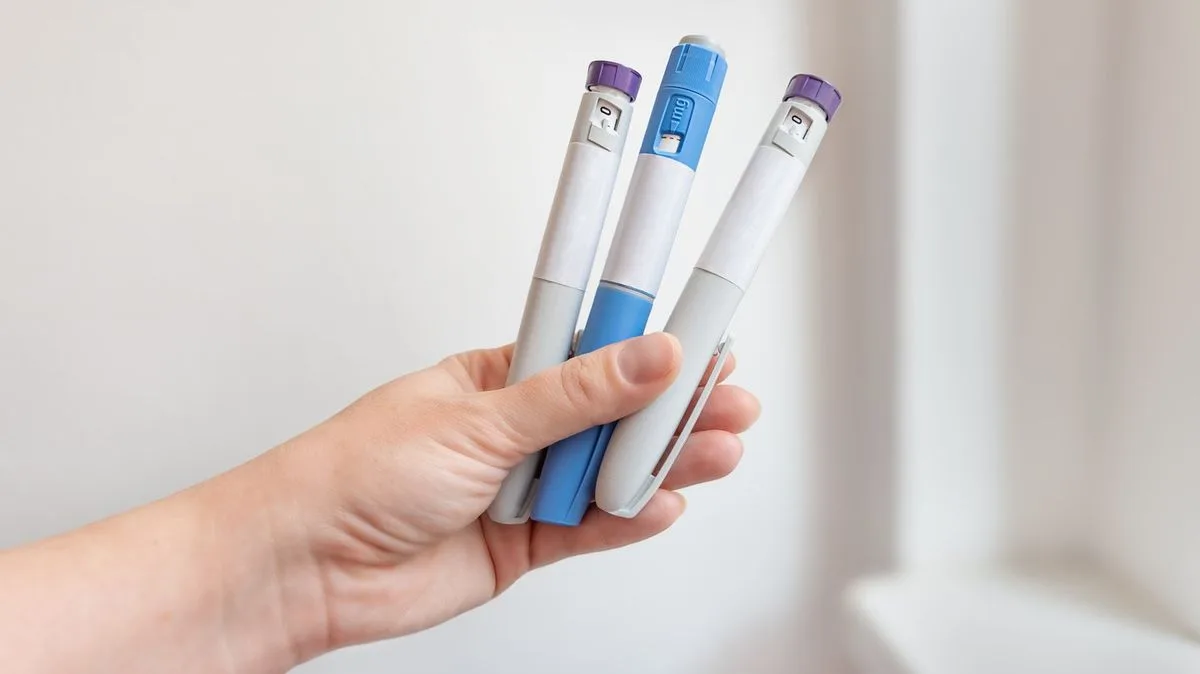
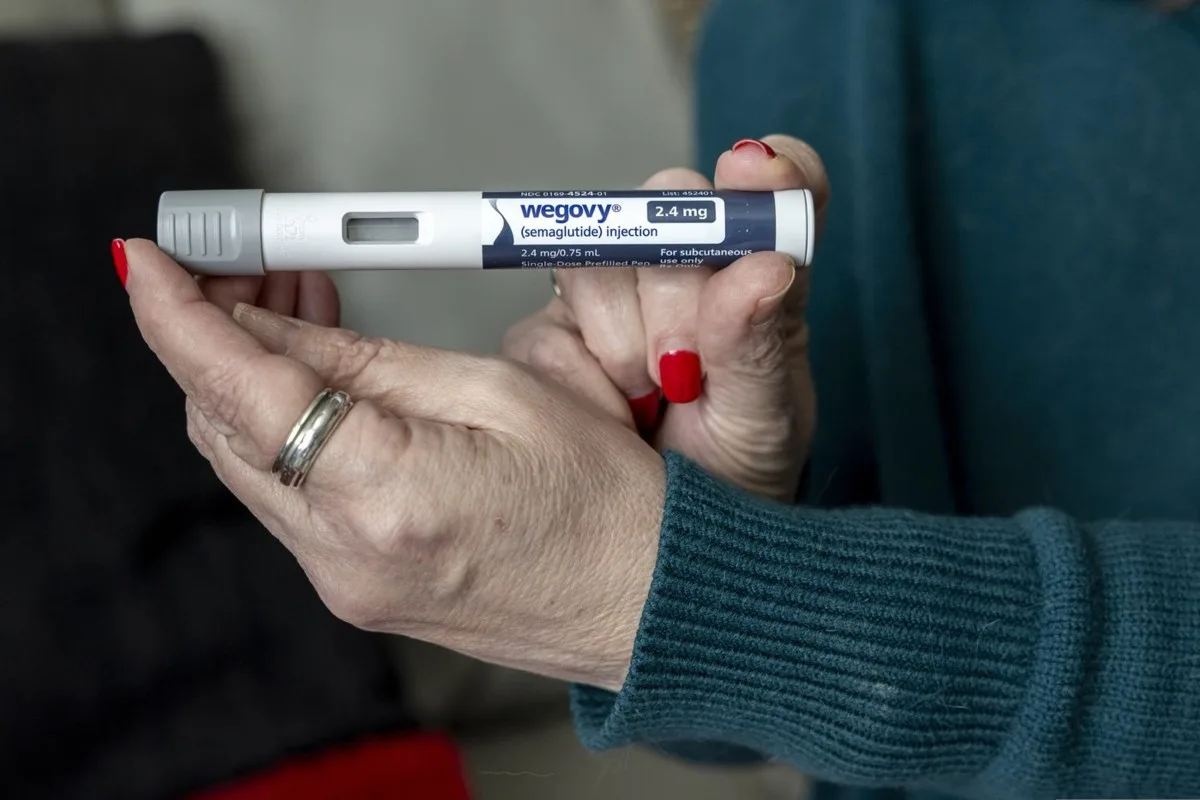
In recent years, a groundbreaking class of medications known as GLP-1 receptor agonists has revolutionized the landscape of weight management. Drugs like semaglutide (found in Ozempic and Wegovy) and tirzepatide (found in Mounjaro) have offered a beacon of hope for millions struggling with obesity and weight-related health conditions. These medications work by mimicking the action of glucagon-like peptide-1, a hormone that regulates appetite and blood sugar, leading to significant and often sustained weight loss for many individuals. The widespread adoption of these drugs, with tens of millions of prescriptions issued globally and a notable percentage of adults in countries like the U.S. reporting their use, signals a profound shift in how we approach weight loss – moving from a often frustrating personal battle to a more medically supported journey.
This surge in popularity has been fueled by success stories shared by celebrities, business leaders, and everyday individuals who have finally found a sustainable way to manage their weight and improve their health markers. The promise of these drugs extends beyond mere aesthetics; they offer a tangible pathway to reducing the risk of serious health complications such as type 2 diabetes, heart disease, and sleep apnea. For many, GLP-1s represent not just a weight loss tool, but a critical component of overall health and well-being.
The Unexpected Shadow: Shifting Social Stigma
However, as these powerful medications become more mainstream, a complex and often overlooked challenge is emerging: social stigma. New research from Rice University, led by assistant professor of psychological sciences Erin Standen, suggests that the public's reaction to individuals using GLP-1 medications is not always one of simple acceptance or admiration. Instead, in some instances, those who lose weight using these drugs may face more criticism and judgment than individuals who do not achieve weight loss at all.
The study, published in the International Journal of Obesity and co-authored by Sean Phelan of the Mayo Clinic and Janet Tomiyama of the University of California, Los Angeles, investigated public perceptions of weight loss achieved through different means. Participants were presented with scenarios involving a fictional person who either lost weight via a GLP-1 medication, through traditional diet and exercise, or who did not lose weight. The findings revealed a distinct pattern of bias.
Key Study Findings on Stigma
The research highlighted several critical observations:
- Less Favorable Views for GLP-1 Users: Individuals who lost weight using GLP-1 medications were consistently viewed less favorably than those who achieved similar weight loss through diet and exercise.
- Negative Judgment Compared to No Weight Loss: Perhaps most strikingly, participants rated GLP-1 users more negatively than individuals who had not lost weight in the first place. This suggests that the method of weight loss, rather than the outcome itself, can be a significant factor in public perception.
- Perpetuated Judgment: The study indicates that weight-related stigma does not simply disappear with weight loss. Instead, it can transform and intensify depending on the perceived 'effort' or 'method' involved in achieving that loss.
Dr. Standen explained the surprising depth of this phenomenon: "We expected there might be some stigma around using a GLP-1," she stated, "but what surprised us was the extent of it." This suggests a prevalent societal narrative that views using these medications as "taking the easy way out," a perception that appears to heavily influence how individuals are judged.
The Nuances of Weight Regain and Stigma
The complexities of GLP-1 therapy also extend to the issue of weight regain. Many individuals discontinue these medications due to factors such as high cost, insurance limitations, or bothersome side effects, and weight regain is a common consequence. The Rice University study also delved into how weight regain impacts social perceptions.
The research found that individuals who regained weight, regardless of whether they had previously used a GLP-1 drug or relied on diet and exercise, were judged more negatively than those who had successfully maintained their weight loss. "There's a lot of stigma tied to weight regain in general," Dr. Standen noted, "and that doesn't seem to depend much on how the weight was lost in the first place." This underscores the pervasive societal bias against individuals who experience weight fluctuations, regardless of the contributing factors or the methods employed to manage their weight.
Precision tracking for your journey
Join thousands using Shotlee to accurately track GLP-1 medications and side effects.
📱 Get the Shotlee App
Track your GLP-1 medications, peptides, and health metrics on the go with our mobile app!
The Real-World Health Consequences of Stigma
The implications of this shifting and intensified stigma are far from trivial; they can have significant real-world health consequences. Weight stigma, in general, has been extensively linked to increased stress, avoidance of medical care, and the development of unhealthy coping mechanisms. When individuals feel judged for the choices they make regarding their health, it can create a barrier to seeking and receiving necessary care.
Dr. Standen emphasized this crucial point: "If people feel judged for the choices they're making about their health, that can influence what they're willing to do. It can affect whether they seek care, whether they talk openly with providers and how they manage their health overall." This can lead to a reluctance to discuss weight concerns with healthcare professionals, a hesitancy to adhere to treatment plans, and an overall detriment to their health journey. For those using GLP-1 medications, this added layer of judgment can be particularly discouraging, potentially leading them to feel isolated or misunderstood.
Navigating Health Decisions with Shotlee
For individuals managing their weight with GLP-1 medications or other therapies, maintaining a clear record of progress, symptoms, and medication adherence can be invaluable. Tools like Shotlee can help users track their weight, monitor potential side effects, log medication doses, and record general health metrics. This comprehensive health tracking can empower individuals to have more informed discussions with their healthcare providers and to better understand their own health journey, irrespective of external judgments. By having concrete data, patients can feel more confident in their treatment decisions and communicate their experiences more effectively.
Moving Towards a Less Judgmental Future
As GLP-1 medications continue to integrate into mainstream healthcare, understanding and addressing the social dynamics surrounding their use is paramount. Dr. Standen's research is part of a broader initiative to foster healthier behaviors without perpetuating stigma. The ultimate goal is to create an environment where individuals can make informed, personal health choices without the burden of judgment.
"There's such a strong cultural script around weight and what a 'healthy' body should look like," Dr. Standen observed. "And those messages can get in the way of people doing what's actually best for them." By challenging these ingrained societal narratives and promoting empathy, we can work towards a future where individuals are supported in their health endeavors, regardless of the methods they choose. "Ultimately, any form of stigma related to someone's body or their health choices is not helpful," she concluded. "People should be able to make decisions that are right for them without fear of being judged."
Practical Takeaways
- Be Aware of Societal Perceptions: Understand that using GLP-1 medications may attract judgment, even if unintended.
- Focus on Health Outcomes: Prioritize the health benefits and improvements you experience, rather than external opinions.
- Communicate with Your Doctor: Have open dialogues with your healthcare provider about your treatment, any concerns, and your progress.
- Utilize Health Tracking Tools: Tools like Shotlee can help you monitor your journey, providing valuable data for yourself and your doctor.
- Practice Self-Compassion: Be kind to yourself. Managing weight and health is a complex journey, and your choices are valid.
Conclusion
The advent of GLP-1 medications like Ozempic, Wegovy, and Mounjaro has undeniably transformed weight loss and obesity treatment for many. While the medical benefits are substantial, the emerging evidence of social stigma associated with their use highlights a critical societal challenge. This stigma can not only impact an individual's self-esteem and mental well-being but also influence their willingness to seek and engage with healthcare. As we continue to navigate this new era of pharmaceutical interventions for weight management, fostering a more empathetic and less judgmental public discourse is essential. By prioritizing health outcomes, supporting informed patient choices, and challenging harmful stereotypes, we can ensure that individuals receive the care and respect they deserve on their personal health journeys.
Reference: Standen, E. C., Phelan, S. M., & Tomiyama, A. J. (2026). An experimental investigation of the stigmatization of weight loss and regain from GLP-1 receptor agonist use and cessation. International Journal of Obesity. DOI: 10.1038/s41366-026-02061-y