
The U.S. Food and Drug Administration gave the green light to Novo Nordisk's Wegovy GLP-1 pill, causing stocks of prominent food corporations to dip the next trading day.
Industry Shifts Ahead
Experts believe the introduction of novel appetite-reducing weight-loss medications will hasten ongoing transformations within the food sector, compelling producers and eatery chains to re-evaluate their offerings, serving sizes, and promotional strategies.
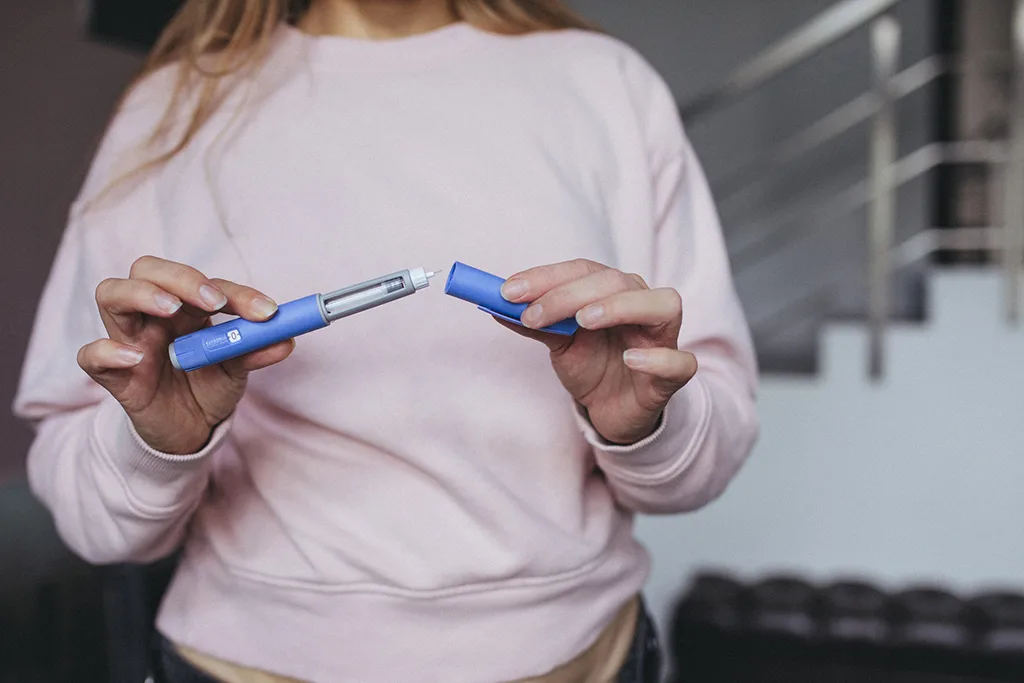
The launch of GLP-1 weight-loss pills in the U.S. during January is anticipated to attract countless new participants who previously shied away from self-administered injections, thereby widening the embrace of these treatments and intensifying their influence on dietary behaviors.
According to analysts, tablets are expected to be more affordable and user-friendly compared to injections, thereby broadening the potential market.
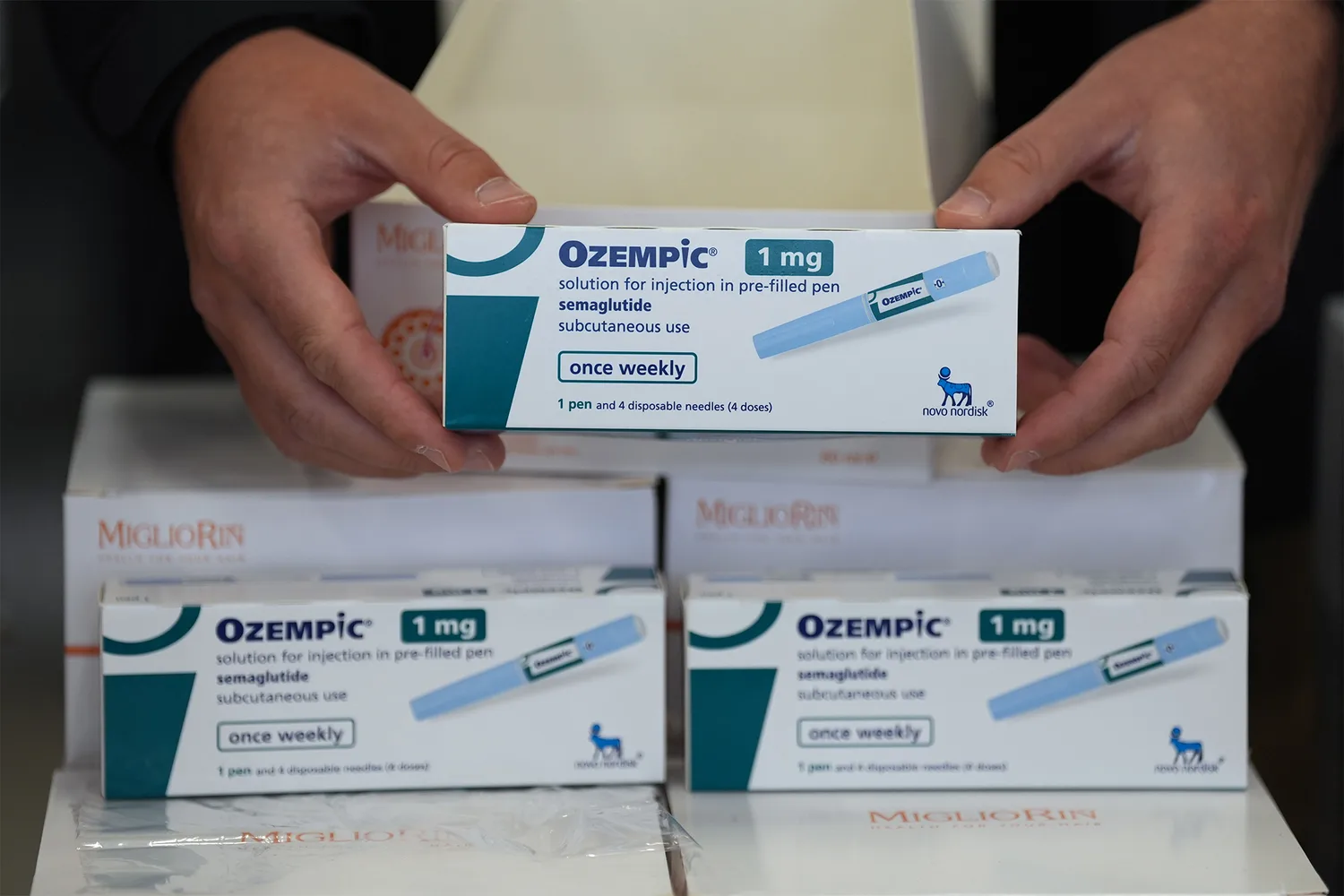
The U.S. Food and Drug Administration cleared Novo Nordisk's Wegovy GLP-1 pill, resulting in a drop in shares of key food companies the day after.
Competing pill therapies from Eli Lilly are slated to secure regulatory clearance in the coming year.
Adapting to Consumer Demands
Food producers like Conagra Brands and Nestle have begun responding to evolving customer tastes associated with injectable GLP-1 medications, such as a preference for foods with more protein and reduced serving sizes.
Experts foresee these patterns accelerating as tablet usage rises.
To adjust, businesses are overhauling product formulations, incorporating more protein and fiber, resizing portions, revising labels to highlight GLP-1-appropriate choices, and enhancing partnerships with retailers for precise advertising.
"We're noticing consumers reducing intake particularly of salty snacks, alcohol, soda, beverages, and baked goods, while concentrating on protein and fiber, so we anticipate food firms and eateries to serve this expanding demographic," stated JP Frossard, a consumer foods expert at Rabobank.
"We'll encounter greater availability of these medications and an expanded market for goods tailored to the requirements of GLP-1 consumers," he added.
Andrew Rocco, an equity analyst at Zacks Investment Research, termed Novo's pill endorsement as "innovative," noting its reduced expenses and equivalent weight-reduction outcomes compared to injectable forms. "Elevated protein levels, diminished portions, and advancements in functional foods will prove essential," he remarked.
Precision tracking for your journey
Join thousands using Shotlee to accurately track GLP-1 medications and side effects.
📱 Get the Shotlee App
Track your GLP-1 medications, peptides, and health metrics on the go with our mobile app!
Government statistics indicate that around 40 percent of American adults suffer from obesity, and approximately 12 percent admit to using GLP-1 medications currently, per a recent survey by the health policy research organization KFF.
Research Insights
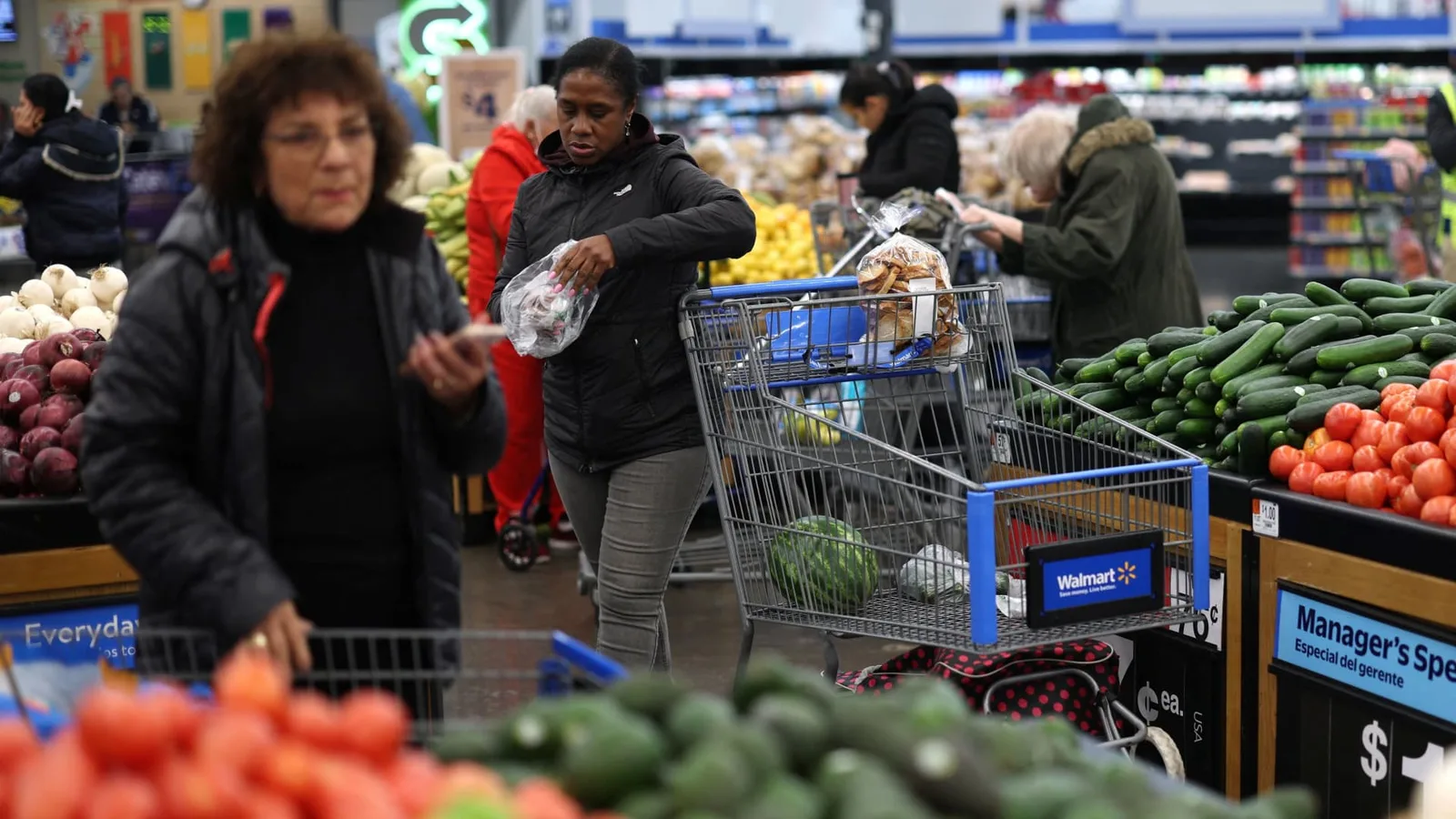
A recent Cornell University investigation revealed that families on GLP-1 treatments decreased grocery expenditures by 5.3 percent and fast-food costs by roughly eight percent on average, drawing from purchasing records of nearly 150,000 households gathered by Numerator.
These reductions largely reversed once individuals discontinued the medications.
"The reductions we observed are likely to manifest in a larger portion of the populace" owing to weight-loss pills, explained Sylvia Hristakeva, co-author of the research. She noted that more affordable pricing and simpler application might encourage longer-term adherence to the drugs.
Company Responses
Several firms are already making adjustments. Conagra has started marking specific Healthy Choice frozen meals as "GLP-1 friendly," emphasizing their high protein and fiber levels.
A company spokesperson reported that these items are outselling comparable unlabeled versions. New formulations bearing the same branding are scheduled for May, along with promotional initiatives through retailers such as Walmart and Kroger.
Danone, the French dairy entity behind Oikos Greek yogurt, reports double-digit expansion in high-protein goods, a development that has gained momentum alongside GLP-1 adoption.
Nestle has introduced a frozen-meal series named Vital Pursuit targeted at GLP-1 consumers, while the fast-casual restaurant Chipotle has incorporated a "High Protein Menu."
Other dining establishments, like Olive Garden, are experimenting with reduced, budget-friendly servings.
Stephen Kennedy, head of marketing at Noodles & Company, explained that these modifications aim to provide patrons with "selections that fulfill cravings without excess."
Health tracking apps like Shotlee can assist in monitoring dietary changes and weight progress amid these industry shifts.