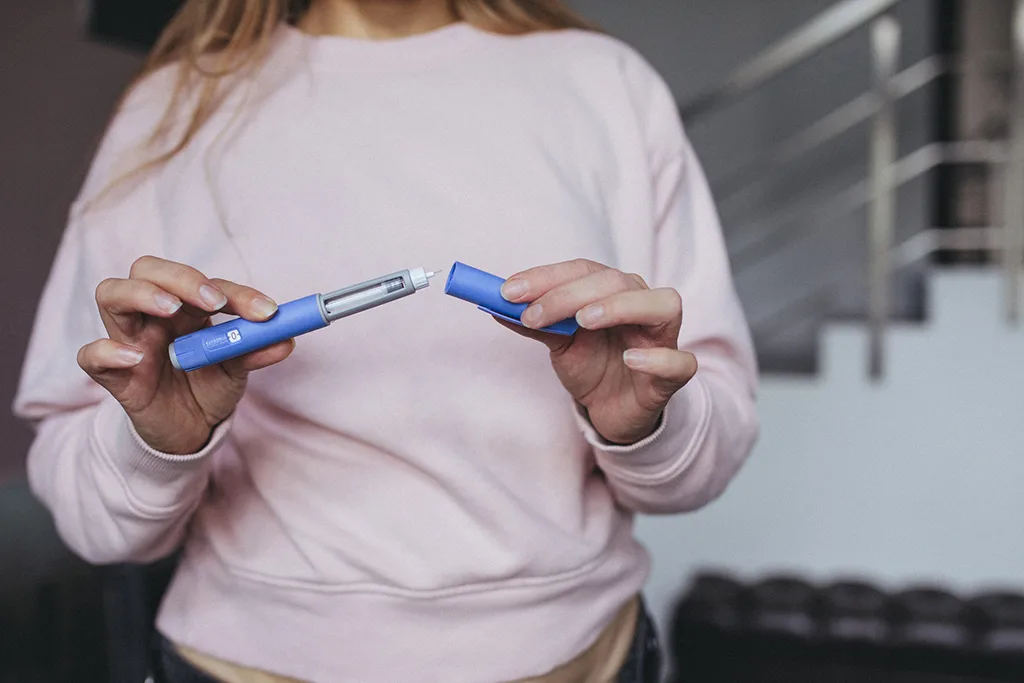

GLP-1 receptor agonists like Ozempic (semaglutide), Wegovy (higher-dose semaglutide), Mounjaro (tirzepatide), and Zepbound (tirzepatide for weight loss) have surged in popularity, helping millions manage type 2 diabetes and obesity by curbing appetite and promoting satiety. Yet, as employers increasingly offer coverage, a stark divide emerges: only some employees gain access, sparking concerns over fairness and sustainability. A Lifesum survey of 2,000 U.S. workers revealed 74% fear GLP-1 provisions widen health gaps, while just 21% see them as equalizers.
This guide bridges that divide, blending clinical evidence with practical strategies. For patients and health enthusiasts on these meds—or considering them—understanding workplace dynamics ensures you advocate for equitable programs that pair pharmacology with lifestyle for metabolic health.
Understanding the Perception Gap in GLP-1 Access
Employee sentiments are mixed: 27% express gratitude for GLP-1 coverage, 16% feel pressured, 23% worry about inequities, and 47% remain neutral. These reactions stem from deeper issues like body image stigma, privilege perceptions, and fears of a "two-tier" system favoring higher earners or those with premium plans.
Clinically, GLP-1s mimic gut hormones (glucagon-like peptide-1 and GIP for tirzepatide), slowing gastric emptying, signaling fullness via brain receptors, and improving insulin sensitivity. The STEP trials for semaglutide showed 15-20% body weight loss over 68 weeks, while SURMOUNT trials for tirzepatide hit 20-22%—impressive, but only with diet and exercise. Without context, coverage feels like a perk, not a tool.
"Equity isn't just access; it's ensuring every employee can sustain benefits through holistic support."
Why Nutrition Support is Non-Negotiable
GLP-1s reduce calorie intake by 20-30%, per NEJM studies, but rapid weight loss risks 30-40% lean muscle loss if protein intake dips below 1.2-1.6g/kg body weight. Tools like Shotlee help users track symptoms, side effects, and nutrition—logging protein, fiber, and hydration to prevent GI issues like nausea (affecting 20-44% initially).
The Science of Sustainable GLP-1 Success
Long-term data underscores pairing meds with lifestyle: A 2023 JAMA analysis found GLP-1 users regain 2/3 weight within a year post-discontinuation without habits. Only 1 in 5 employers offer complementary benefits (Aon data), yet evidence demands it.
- Nutrition: High-protein (25-30g/meal), fiber-rich diets amplify satiety. RCTs show +5-10% extra loss.
- Exercise: Resistance training preserves muscle; aim 150min moderate cardio weekly (ADA guidelines).
- Behavior: Cognitive behavioral therapy reduces emotional eating, boosting adherence 25% (Obesity Reviews).
For tirzepatide, dual GLP-1/GIP action enhances fat oxidation, but dosing (start 2.5mg weekly, titrate to 15mg) requires monitoring for hypoglycemia in diabetics.
Actionable Strategies for Equitable Workplace Programs
Employers can foster inclusion across onsite, remote, and hybrid teams. Patients: Use this to guide HR discussions.
1. Universal Nutrition and Tracking Tools
Extend GLP-1 access with apps for all—tracking macros, activity, mood. Shotlee integrates symptom logs (e.g., constipation from slowed motility) with personalized plans, preventing plateaus. In-office: Nutrition workshops; remote: Virtual meal preps.
Precision tracking for your journey
Join thousands using Shotlee to accurately track GLP-1 medications and side effects.
📱 Get the Shotlee App
Track your GLP-1 medications, peptides, and health metrics on the go with our mobile app!
2. Transparent, Empathetic Communication
Detail eligibility (BMI ≥30 or ≥27 with comorbidities, per FDA), costs, and oversight. Frame as "energy and metabolic health," avoiding weight-loss hype. This shifts perceptions: 60% more positive views post-education (internal surveys).
3. Community-Building Initiatives
Hybrid challenges (e.g., step counts, no GLP-1 singling) build camaraderie. Buddy systems normalize habits; team cook-alongs emphasize balanced plates (veggies ½ plate, protein ¼).
4. Behavioral and Mental Health Integration
GLP-1s alter dopamine signaling, potentially causing "food noise" reduction but body dysmorphia. Offer mindfulness apps, counseling—vital as 15-20% report anxiety shifts (STEP data).
5. Data-Driven Iteration
Survey engagement quarterly. Track metrics: Adherence rates soar 40% with feedback loops.
Clinical Deep Dive: GLP-1 Mechanisms and Side Effects Management
How They Work
Semaglutide (Ozempic/Wegovy): Weekly subQ injection; binds GLP-1 receptors, cuts glucagon, boosts insulin. Efficacy: 14.9% loss (SUSTAIN trials).
Tirzepatide (Mounjaro/Zepbound): Dual agonist; superior A1c drops (2.3% vs 1.9%). SURPASS trials: Head-to-head wins.
Managing Sides
- GI (44% nausea peak week 5): Titrate slowly, ginger/peppermint, small meals.
- Muscle Loss: Protein + strength training.
- Gallbladder Risk (2-3%): Hydrate, monitor.
Lifestyle amplifies: Mediterranean diets + GLP-1s yield 25% loss sustained 2 years (Lancet).
Conclusion: From Divide to Unified Well-Being
GLP-1s offer metabolic transformation, but equity demands integration with nutrition, exercise, and support. Employers bridging this—via universal tools, clear comms, and community—empower all. Patients: Advocate for these; track with apps like Shotlee for optimal outcomes. The result? Healthier workplaces, sustained results, no one left behind.