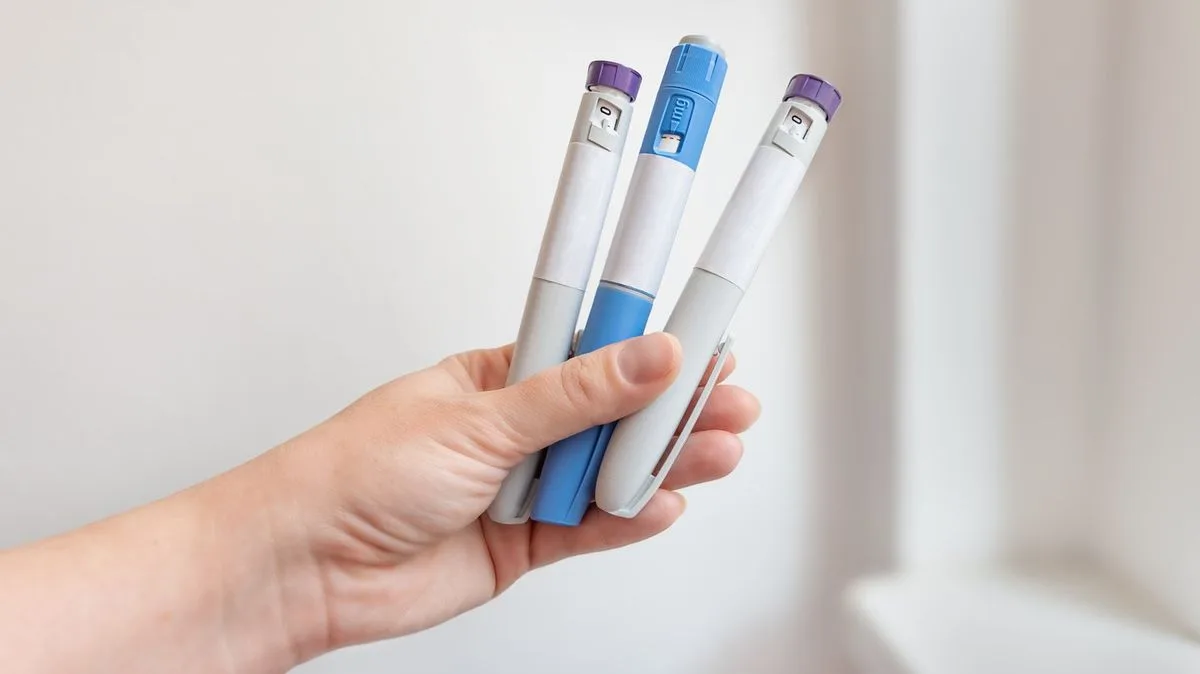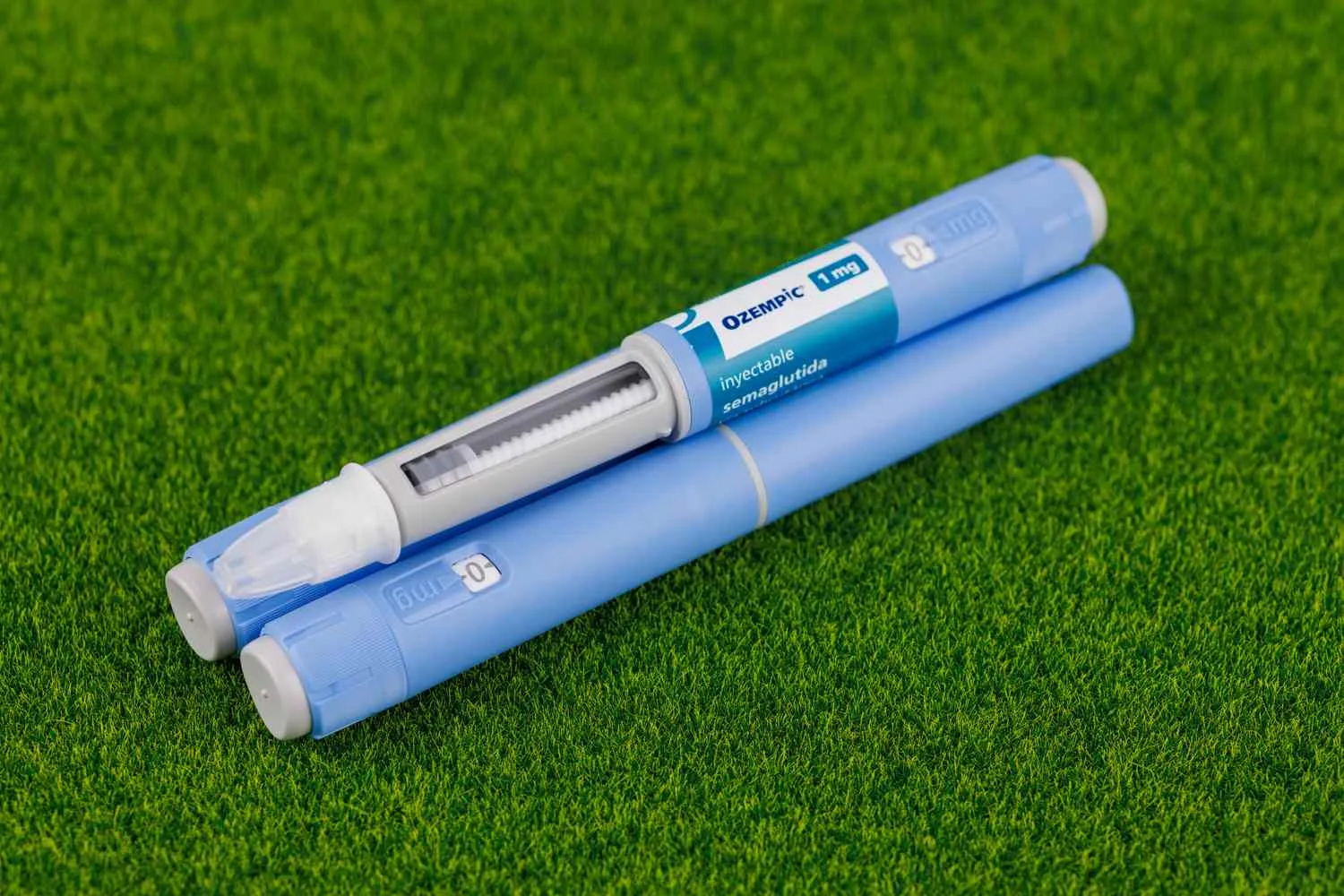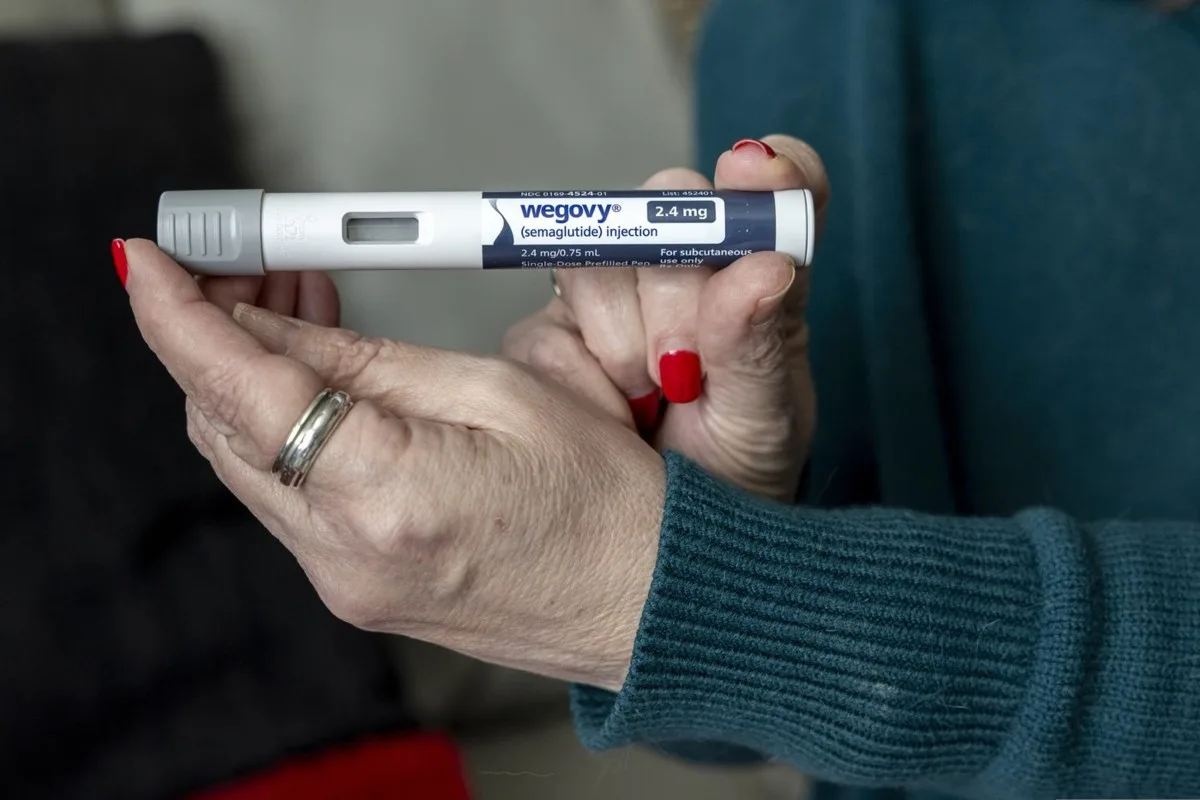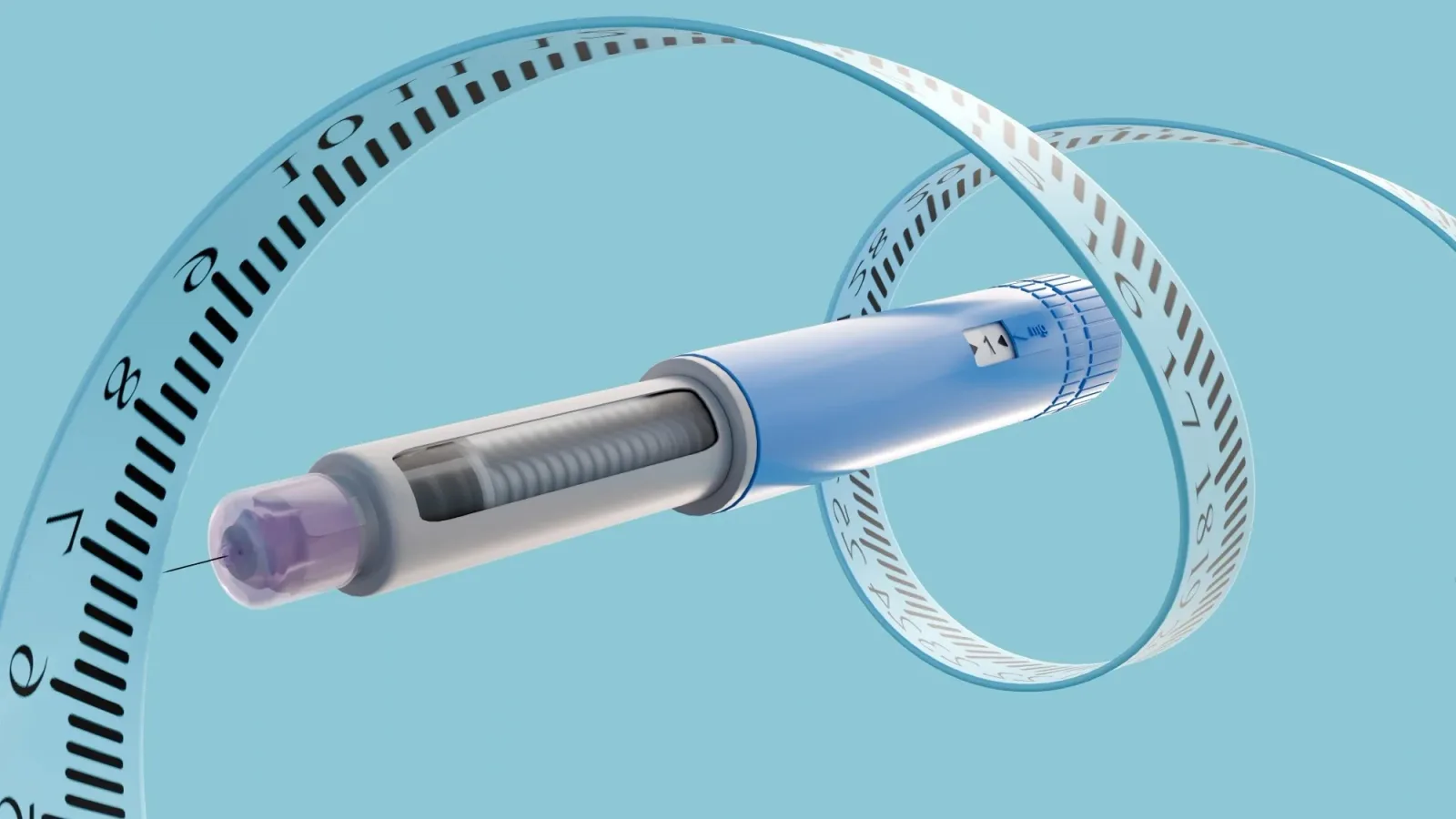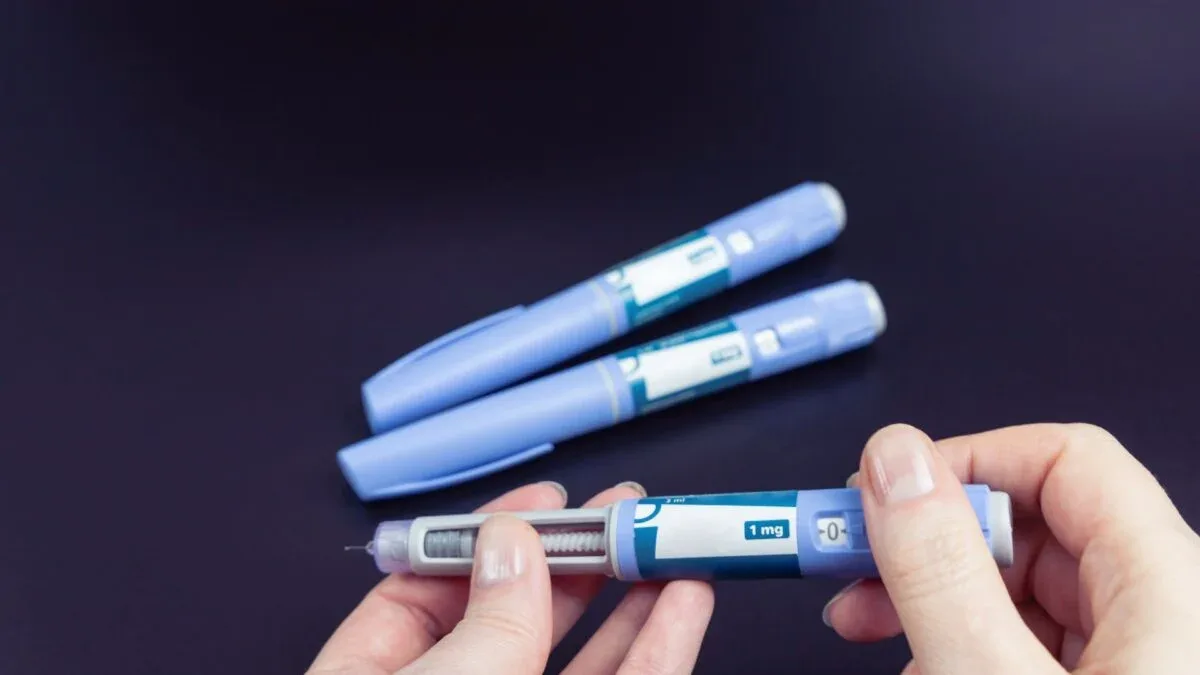

The landscape of obesity treatment is undergoing a profound transformation. For years, metabolic and bariatric surgery has been the gold standard for individuals struggling with severe obesity, offering significant and durable weight loss. However, the advent and widespread popularity of GLP-1 receptor agonist (GLP-1) medications, such as semaglutide (found in Ozempic and Wegovy) and tirzepatide (found in Mounjaro), have introduced a new dynamic. Recent research suggests a notable decrease in the number of bariatric surgeries performed, a trend that has raised concerns among medical professionals about patient access to the most effective treatments for their conditions.
The Rise of GLP-1s and Their Impact on Bariatric Surgery
GLP-1 medications mimic a naturally occurring hormone that plays a crucial role in regulating appetite and glucose metabolism. These drugs have demonstrated remarkable efficacy in promoting weight loss, often exceeding what can be achieved through diet and exercise alone. Their success has led to a surge in prescriptions, impacting various industries, including the field of weight loss surgery.
New research presented at the annual scientific meeting of the American Society for Metabolic and Bariatric Surgery (ASMBS) and expected to be published in the journal SOARD, analyzed data from the American College of Surgeons Metabolic and Bariatric Surgery Accreditation and Quality Improvement Program (ACS-MBSAQIP). This analysis revealed a significant drop in bariatric procedures in the U.S. following a period of growth. While the study cannot definitively establish causality, the researchers strongly suspect that the increasing adoption of GLP-1 therapies is a primary driver behind this decline.
Key Findings from the Research:
- The estimated number of bariatric surgeries in the U.S. peaked in 2022 and has since experienced a sharp decline.
- In 2024, an estimated 177,297 procedures were performed, a 23% decrease from the 2022 peak of 230,207.
- This represents the lowest number of procedures performed since 2020.
Dr. Tyler Cohn, lead study author and a surgeon at Loyola University Medical Center, expressed concern that the immense popularity and marketing of GLP-1 medications might be overshadowing the well-established scientific evidence supporting metabolic and bariatric surgery as the most effective therapy for severe obesity. This shift could potentially steer individuals with severe obesity away from surgical interventions that could offer them the greatest long-term benefits.
Comparing Efficacy: GLP-1s vs. Bariatric Surgery
To understand the implications of this trend, it's essential to compare the effectiveness of GLP-1 medications with bariatric surgery. While both are powerful tools in weight management, they differ in their outcomes and mechanisms.
GLP-1 Medications: Semaglutide, the active ingredient in Ozempic and Wegovy, mimics the GLP-1 hormone. These medications are highly effective at helping individuals lose weight, typically achieving an average of 15% weight loss with medications like Wegovy. Newer iterations, such as tirzepatide (Mounjaro), which targets multiple hormones, can lead to even greater weight loss, often in the range of 16% to 22%. However, these figures generally fall short of the results seen with surgical interventions.
Bariatric Surgery: Procedures like gastric bypass and sleeve gastrectomy are known for their substantial and durable weight loss. Patients undergoing these surgeries typically lose between 25% and 35% of their baseline weight within the first year. Sleeve gastrectomy patients usually experience weight loss on the lower end of this spectrum, while gastric bypass often leads to higher percentages.
The research highlights that bariatric surgery, on average, provides greater weight loss than current GLP-1 therapies. This difference is particularly significant for individuals with more severe obesity, where surgical interventions have historically offered the most profound and lasting results.
Cost-Effectiveness and Long-Term Considerations
Beyond efficacy, cost-effectiveness and long-term management are critical factors in choosing an obesity treatment. Studies suggest that bariatric surgery can be more cost-effective, especially for individuals with severe obesity, when considering the lifetime costs associated with managing the condition.
Surgical Intervention: While bariatric surgery involves a significant upfront cost and recovery period, it is often a one-time intervention that can lead to sustained weight loss and improvements in obesity-related comorbidities. This can translate to reduced long-term healthcare expenditures.
GLP-1 Therapy: GLP-1 medications, on the other hand, typically require ongoing, lifelong administration to maintain their effects. The cumulative cost of these medications over many years can be substantial. Furthermore, some individuals may struggle with the long-term adherence and potential side effects associated with continuous GLP-1 therapy.
Precision tracking for your journey
Join thousands using Shotlee to accurately track GLP-1 medications and side effects.
📱 Get the Shotlee App
Track your GLP-1 medications, peptides, and health metrics on the go with our mobile app!
The availability of generic versions of semaglutide in some countries, and the ongoing development of new weight loss medications, suggest that the cost calculus may evolve. However, for many, the immediate and substantial weight loss offered by surgery, coupled with its long-term durability, remains a compelling advantage.
Understanding the Nuances: Who Benefits Most?
It's crucial to recognize that neither GLP-1 medications nor bariatric surgery are universally suitable for everyone. The decision-making process should be highly individualized, taking into account a patient's specific health profile, the severity of their obesity, and their personal preferences and goals.
Who might benefit most from bariatric surgery?
- Individuals with a Body Mass Index (BMI) of 40 or higher.
- Individuals with a BMI of 35 or higher who have significant obesity-related health problems, such as type 2 diabetes, hypertension, or sleep apnea.
- Those who have struggled to achieve sustainable weight loss through non-surgical methods.
Who might benefit most from GLP-1 medications?
- Individuals with a BMI of 30 or higher, or a BMI of 27 or higher with at least one weight-related comorbidity.
- Those who prefer a non-surgical approach or are not candidates for surgery.
- Patients who can manage the ongoing costs and potential side effects of the medication.
The research team plans to further investigate the reasons behind patient choices in obesity treatments. Understanding these motivations is key to ensuring that individuals receive the most appropriate and effective care.
The Potential for Complementary Treatments
In an ideal scenario, GLP-1 medications and bariatric surgery can complement each other, offering a more comprehensive approach to obesity management. Emerging research suggests potential synergistic benefits:
- Pre-operative GLP-1 Use: Some studies indicate that using GLP-1 medications prior to bariatric surgery can reduce post-operative complications, particularly in individuals with extreme obesity. This can involve improving metabolic health and reducing liver fat, making the surgical procedure safer.
- Post-operative GLP-1 Use: Following surgery, GLP-1s might help some patients avoid weight regain, a common challenge in long-term weight management. This could provide an additional layer of support for maintaining weight loss achieved through surgery.
It's also important to acknowledge that a significant portion of the population struggling with obesity remains undertreated. According to the ASMBS, less than 1% of individuals eligible for bariatric surgery receive it annually. Similarly, while a substantial percentage of insured adults are eligible for GLP-1 medications, only a fraction are currently taking them. This highlights the ongoing need to improve access to all effective obesity treatments.
For individuals considering their options, tracking their progress, symptoms, and medication adherence can be invaluable. Tools like Shotlee can assist in monitoring these aspects of treatment, empowering patients to have more informed discussions with their healthcare providers.
Practical Takeaways
The evolving landscape of obesity treatment presents both opportunities and challenges. For patients, understanding the strengths and limitations of each approach is paramount:
- Consult Your Doctor: Always discuss your weight management goals and options with a qualified healthcare professional.
- Understand the Data: Be aware that while GLP-1s are effective, bariatric surgery often leads to greater and more durable weight loss for severe obesity.
- Consider Long-Term Costs: Evaluate the potential lifetime costs of both medication and surgical interventions.
- Explore All Options: Don't overlook the possibility that surgery might be your most effective long-term solution, even with the rise of new medications.
- Complementary Therapies: Inquire with your doctor about how GLP-1s and surgery might be used in combination for optimal results.
Conclusion
The significant decline in bariatric surgery rates alongside the rise of GLP-1 medications marks a pivotal moment in obesity treatment. While GLP-1s have revolutionized weight management for many, the enduring efficacy and cost-effectiveness of bariatric surgery, particularly for severe obesity, cannot be overlooked. The medical community must ensure that patients have access to comprehensive information and the most appropriate treatment pathways, whether through advanced pharmacotherapy, surgical intervention, or a combination of both. As research continues and treatment options expand, a personalized and evidence-based approach will remain the cornerstone of effective obesity care.