
Introduction: A Serious Warning for GLP-1 Users
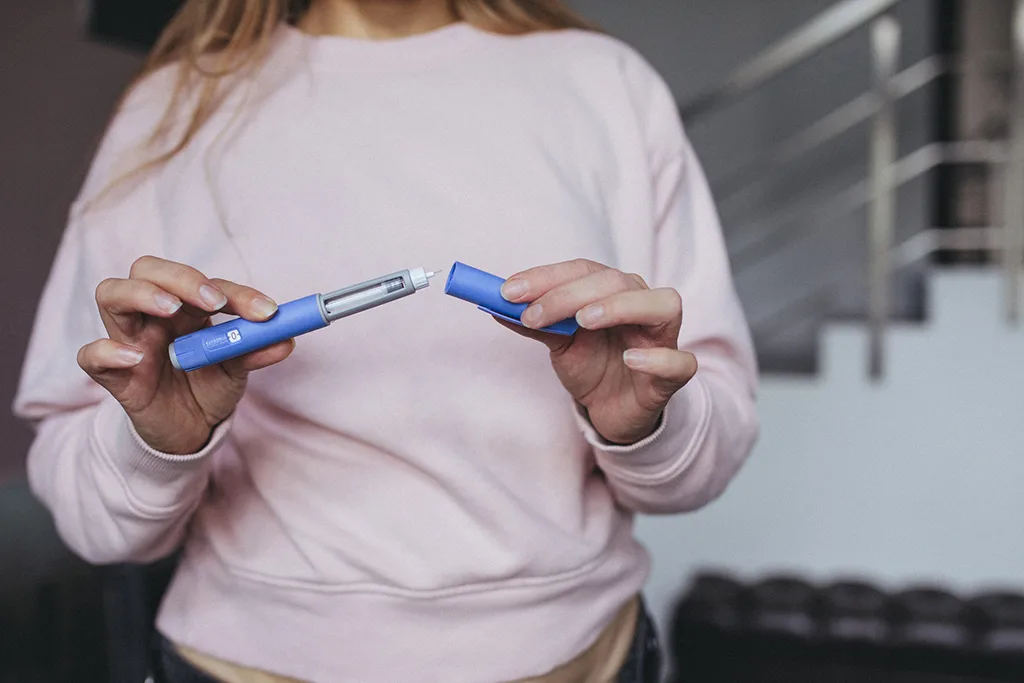
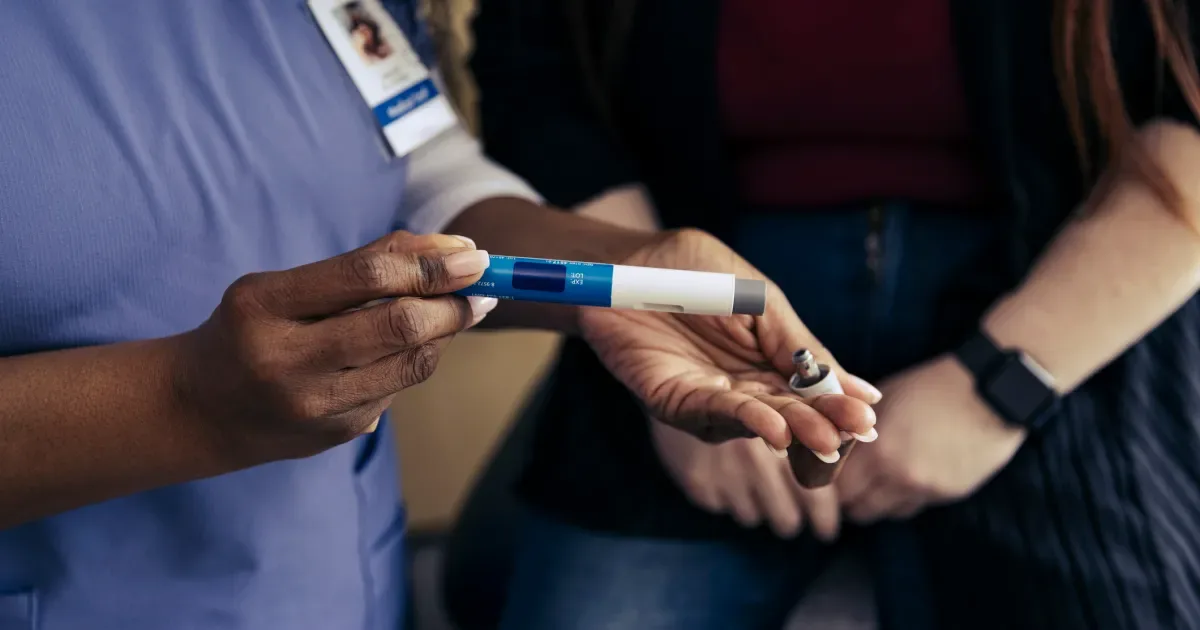
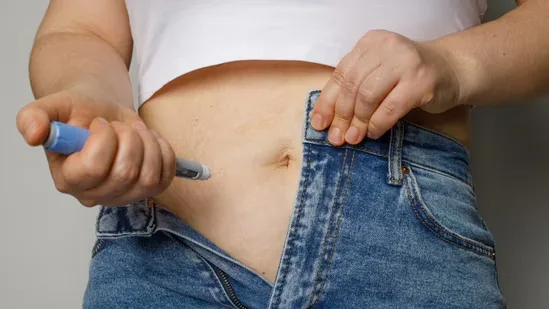
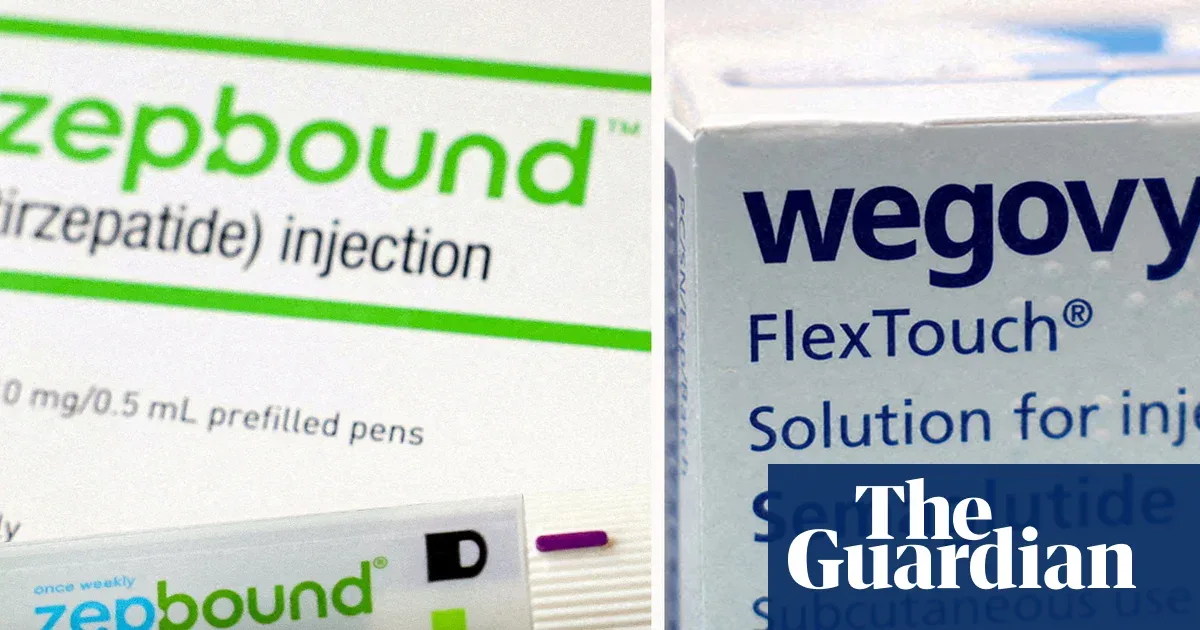
GLP-1 receptor agonists—such as semaglutide (Ozempic, Wegovy) and tirzepatide (Mounjaro, Zepbound)—have revolutionized obesity treatment and type 2 diabetes management. These injectable medications mimic gut hormones to curb appetite, slow gastric emptying, and improve blood sugar control, leading to sustained weight loss of 15-20% in clinical trials. However, product labels have been updated to emphasize a small but potentially life-threatening risk of severe acute pancreatitis.
Acute pancreatitis is an inflammation of the pancreas that can escalate rapidly, causing excruciating pain and, in rare cases, tissue death (necrosis), sepsis, and multi-organ failure. While the absolute risk remains low (estimated at 0.1-0.2% in real-world data), awareness is critical for the millions now on these drugs. This comprehensive guide equips you with evidence-based insights to recognize, manage, and minimize this risk during GLP-1 therapy.
What is the Pancreas and Acute Pancreatitis?
The pancreas, a 6-inch organ nestled behind the stomach, plays dual roles in digestion and metabolism. Its exocrine cells produce digestive enzymes, while endocrine cells (islets of Langerhans) secrete insulin and glucagon.
Acute pancreatitis occurs when these enzymes activate prematurely within the pancreas, essentially digesting the organ itself. Common triggers include gallstones (40% of cases), heavy alcohol use (30%), and medications (5-10%). Symptoms strike suddenly:
- Severe, constant pain in the upper abdomen, often radiating to the back
- Nausea, vomiting, and fever
- Abdominal tenderness or bloating
- In severe cases: rapid heartbeat, low blood pressure, or jaundice
Most cases resolve in 3-7 days with hospitalization, IV fluids, and fasting, but 10-30% develop complications like necrosis or infection, with mortality up to 30% in those scenarios.
"Pancreatitis can mimic indigestion at first, but ignoring it risks catastrophe. Early recognition saves lives." – American Gastroenterological Association
GLP-1 Medications: How They Work and Why Pancreatitis Risk?
The Science of GLP-1 Agonists
GLP-1 (glucagon-like peptide-1) is an incretin hormone released after eating. Native GLP-1 lasts minutes, but drugs like semaglutide (weekly injection, half-life ~1 week) and tirzepatide (dual GLP-1/GIP agonist) provide sustained action:
- Appetite suppression via brain signaling (hypothalamus)
- Delayed gastric emptying, promoting fullness
- Enhanced insulin secretion and glucagon suppression
Trials like STEP (semaglutide) and SURMOUNT (tirzepatide) show superior efficacy over lifestyle alone, with 15-22% body weight loss at 68-72 weeks.
Link to Pancreatitis: Evidence and Mechanisms
Pancreatitis warnings appeared in GLP-1 labels since FDA approval (e.g., exenatide in 2005), based on animal studies and rare human reports. Recent updates stem from post-marketing surveillance:
- FDA/EMA data: ~1 case per 1,000 patient-years for semaglutide; similar for tirzepatide.
- 2023 analysis in Diabetes Care: No increased risk vs. placebo in RCTs, but real-world incidence ~0.15%.
- Gallbladder connection: GLP-1s raise cholelithiasis risk (2-3x), and gallstones trigger 40% of pancreatitis.
Proposed mechanisms include cholecystokinin elevation (stimulates pancreatic enzymes) or direct GLP-1 receptor effects on acinar cells. Risk factors amplify danger: prior pancreatitis, gallstones, alcohol use, or rapid dose escalation.
Symptoms to Watch: When to Seek Emergency Care
Don't dismiss abdominal discomfort as "normal" GLP-1 nausea (which is mild, transient). Pancreatitis pain is unrelenting and severe, worsening when lying flat. Key red flags:
Precision tracking for your journey
Join thousands using Shotlee to accurately track GLP-1 medications and side effects.
📱 Get the Shotlee App
Track your GLP-1 medications, peptides, and health metrics on the go with our mobile app!
| Symptom | Pancreatitis | Common GLP-1 Side Effect |
|---|---|---|
| Pain Location | Upper abdomen to back | Diffuse nausea |
| Severity | 10/10, constant | Mild-moderate, episodic |
| Associated Signs | Vomiting unrelieved by meds, fever >101°F | No fever |
Action plan: If suspected, stop the medication immediately and go to the ER. Blood tests (amylase/lipase >3x upper limit) and CT imaging confirm diagnosis. Most recover fully, but delays invite necrosis.
Updated Product Warnings: What Changed?
Manufacturers (Novo Nordisk, Eli Lilly) updated labels post-2023 surveillance:
- Ozempic/Wegovy: "Acute pancreatitis reported in 0.3 cases/1,000 patient-years; discontinue if suspected."
- Mounjaro/Zepbound: Similar, noting higher rates in early trials (0.2%).
No black-box warning—risk is rare, benefits substantial for obesity (BMI >30) or diabetes. Prescribers now counsel more explicitly on symptoms.
Managing and Minimizing Risk on GLP-1 Therapy
Clinical Strategies
Start low, go slow: Ozempic from 0.25mg weekly; Mounjaro 2.5mg. Routine labs aren't mandated, but monitor if high-risk. Hydrate well—dehydration exacerbates.
Lifestyle Integration
- Avoid alcohol (major trigger)
- Low-fat diet to ease gallbladder burden
- Exercise moderately; rapid weight loss (>2lb/week) ups gallstone risk
Tools like Shotlee can help track symptoms, side effects, and nutrition alongside your medication, alerting you to patterns early.
Who Should Be Cautious?
High-risk groups: History of pancreatitis/gallstones, hypertriglyceridemia, or heavy drinkers. Discuss alternatives like SGLT2 inhibitors if concerned.
Real-World Data and Long-Term Safety
A 2024 JAMA study of 2M+ users found pancreatitis rates comparable to non-GLP-1 obese cohorts (0.12% vs. 0.10%). Benefits dominate: 50% diabetes remission, CVD risk reduction (SELECT trial: 20% drop in events).
Pancreatic cancer fears? Debunked—long-term trials show no signal.
Conclusion: Balance Benefits with Vigilance
GLP-1 drugs offer transformative metabolic health gains, far outweighing pancreatitis risk for most. Stay informed: Recognize severe abdominal pain as a stop signal, integrate healthy habits, and partner with your doctor. Track progress with apps like Shotlee for proactive care. If symptoms arise, act fast—your pancreas will thank you.
For personalized advice, consult a healthcare provider. Safe weight loss is sustainable weight loss.