
Introduction
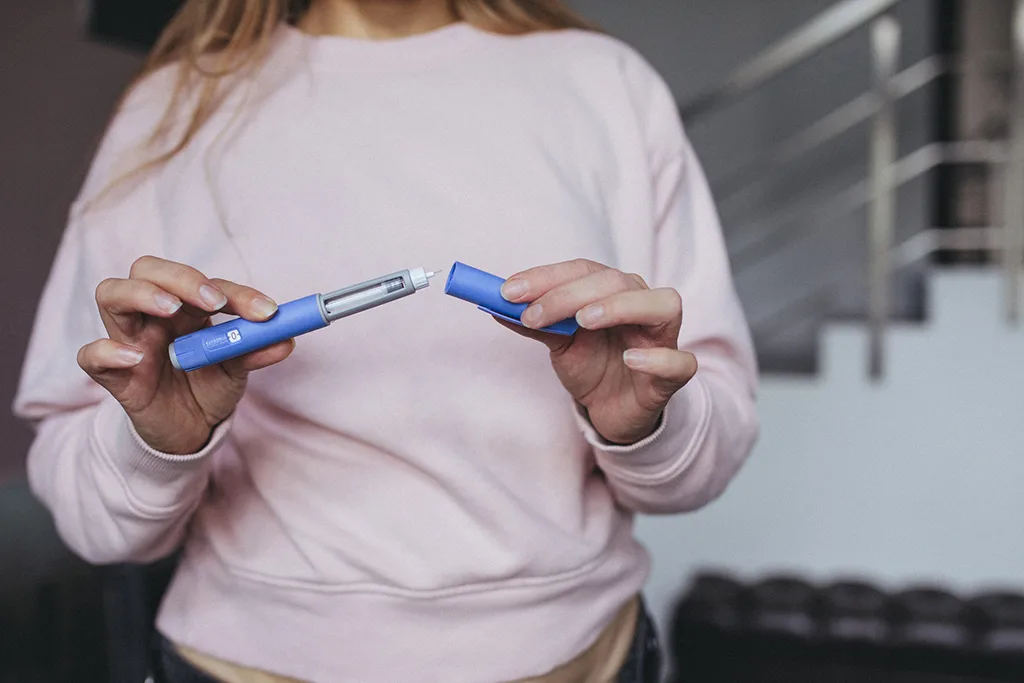
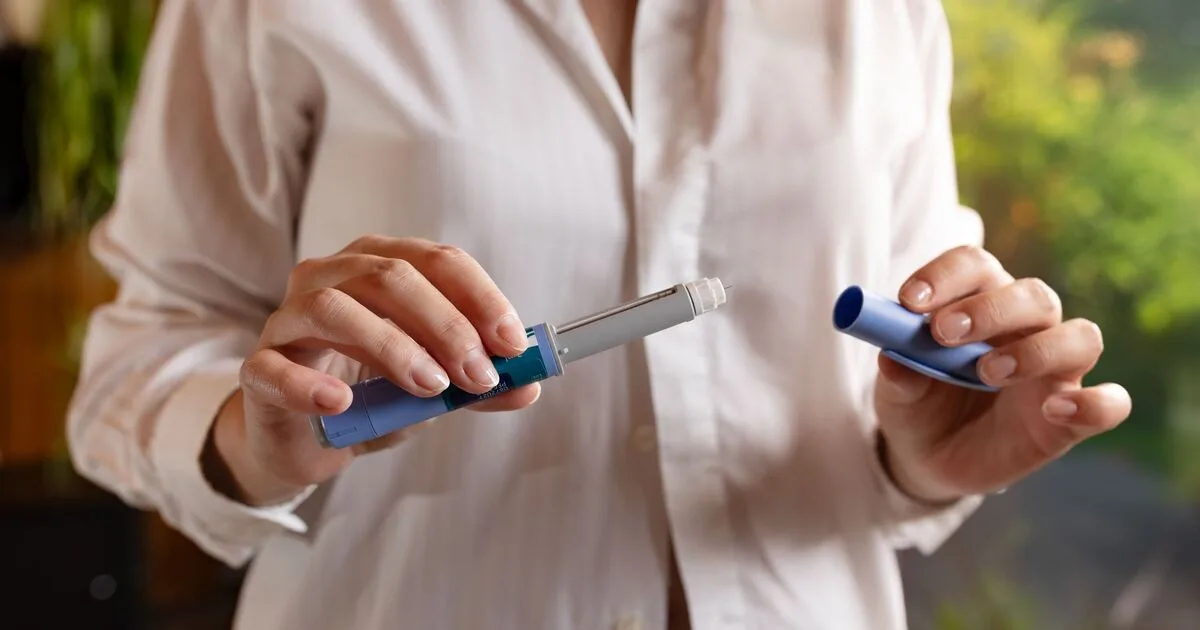
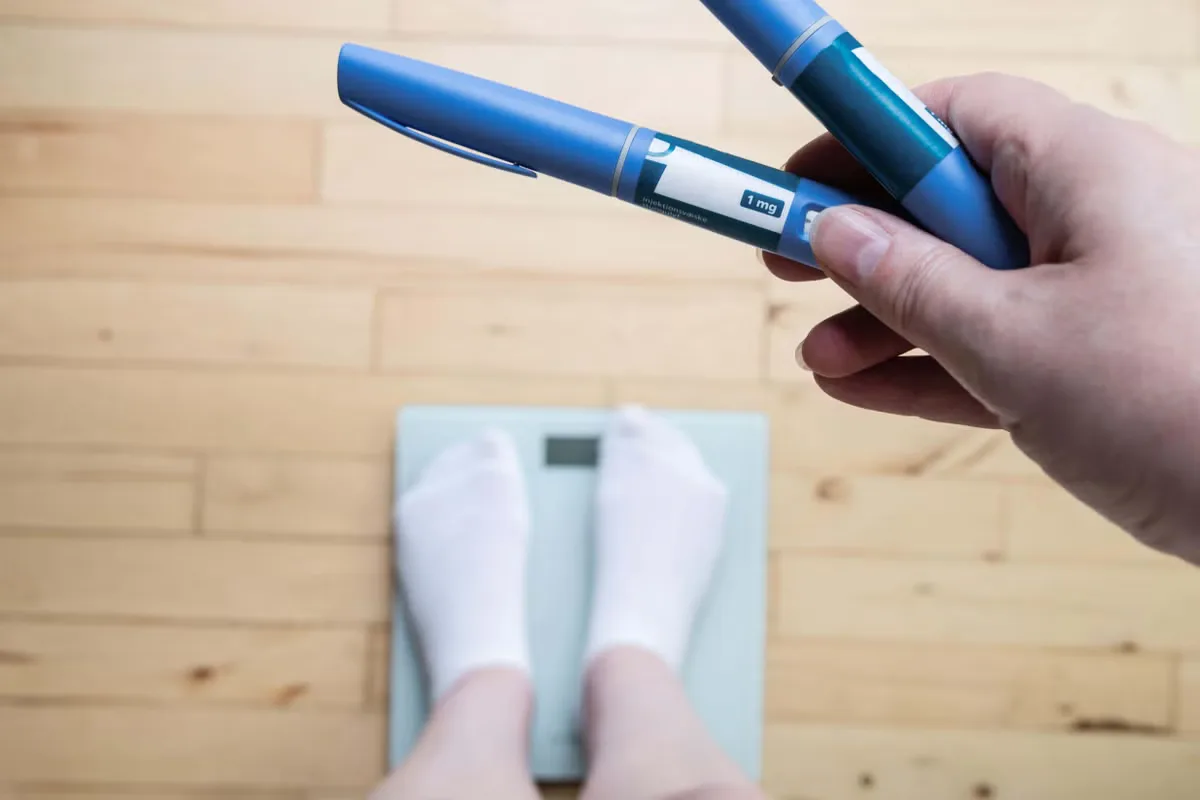
GLP-1 receptor agonists—semaglutide (Ozempic, Wegovy, Rybelsus) and tirzepatide (Mounjaro, Zepbound)—are transforming weight management. These injectable medications mimic the gut hormone glucagon-like peptide-1 (GLP-1), curbing appetite, slowing digestion, and stabilizing blood sugar. In the UK alone, an estimated 2.5 million people are using them, often at private cost of hundreds per month. But beyond body composition, they're reshaping wallets: reduced food and alcohol intake slashes dining expenses, while weight loss fuels demand for new clothes and gym memberships. This guide dives into these economic ripples, backed by clinical data and real-world adaptations.
How GLP-1 Medications Work: The Appetite-Suppression Mechanism
GLP-1 drugs bind to receptors in the brain and gut, signaling fullness after smaller meals. Semaglutide, for instance, reduces caloric intake by 20-30% in trials like STEP 1, where participants lost 15% body weight over 68 weeks at 2.4mg weekly (Wegovy dose). Tirzepatide, a dual GLP-1/GIP agonist, outperforms with up to 22.5% loss in SURMOUNT-1 trials at 15mg weekly.
Key effects driving spending changes:
- Satiety boost: Gastric emptying slows by 30-50%, making portions feel ample.
- Craving reduction: Lowers hedonic hunger for high-fat/sugar foods and alcohol.
- Metabolic shifts: Improves insulin sensitivity, aiding sustained energy without overeating.
These aren't just anecdotal; a 2023 NEJM review confirms appetite suppression as the primary driver of efficacy, explaining why users naturally spend less on food.
Grocery and Retail Adaptations: Rise of 'GLP-1-Friendly' Products
Major retailers are capitalizing on smaller appetites. Ocado's 'weight management' range features portion-controlled items like mini steaks (100-150g) and powdered greens—nutrient-dense, low-calorie options ideal for GLP-1 users averaging 500-1000 fewer daily calories. Marks & Spencer, Waitrose, Greggs, and Co-op followed with mini meals (250-280g pots) inspired by global cuisines, emphasizing protein and fiber to combat muscle loss risks.
Why This Matters Clinically
GLP-1s excel at fat loss but can lead to 20-40% lean mass reduction without intervention, per UCL and Cambridge studies. Prioritizing protein (1.6-2.2g/kg body weight) via these products preserves muscle. Tools like Shotlee can track nutrition and symptoms, ensuring balanced intake amid reduced hunger.
'63% of Ozempic users spend less dining out—not from budget cuts, but smaller stomachs,' per Morgan Stanley's survey.
Dining Out Transformations: From Full Meals to 'Mounjaro Menus'
Restaurants report shifts: fewer multi-course meals, more shared starters or drinks-only visits. Nima Safaei of London's Old Compton Street spots customers prioritizing social vibes over volume. High-end spots now offer half-portions, nutrient-dense small plates, and 'luxury bites' like caviar or oysters—high-flavor, low-volume indulgences.
Takeaways plummet too; users order less or quit entirely, aligning with clinical data on 25-35% appetite reduction.
Alcohol Consumption Decline: A Profitability Threat
GLP-1s dampen alcohol appeal via brain reward pathway modulation. Users report fewer cravings, skipping cocktails for spritzes or low-ABV wines. Morgan Stanley's Toby Clark flags this as a 'double-whammy': slimmer food tabs plus eroded drink sales, which often yield 70% margins.
Precision tracking for your journey
Join thousands using Shotlee to accurately track GLP-1 medications and side effects.
📱 Get the Shotlee App
Track your GLP-1 medications, peptides, and health metrics on the go with our mobile app!
Evidence from Studies
A 2024 JAMA analysis found 50% of semaglutide users reduced alcohol intake, linked to GLP-1's dopamine regulation. Moderation preserves social enjoyment without excess calories (alcohol adds 7kcal/g).
Fashion Industry Boom: Sizing Down and Selling Up
Rapid loss—up to 1-2kg/week initially—necessitates wardrobe refreshes. Savile Row's Richard James remakes suits due to 10-20% body size drops. Secondhand platforms thrive as users offload larger clothes, creating a circular economy.
Clinically, gradual loss via combined therapy minimizes loose skin risks.
Fitness Surge: Combating Muscle Loss with Exercise
Oxford research stresses ongoing diet/exercise to prevent regain—up to 67% without support. The Gym Group's CEO notes GLP-1s as a 'tailwind,' driving memberships. Resistance training (3x/week) plus protein counters sarcopenia; STEP-HFpEF trial showed combined approaches yield 10% more fat-specific loss.
Managing Side Effects: Ozempic Face and Beyond
Skin sagging ('Ozempic face') stems from rapid fat loss in face/neck. Non-invasive fixes like fillers cost thousands; prevention via slow titration and hydration helps. Monitor via apps like Shotlee for symptoms like nausea (peaks week 4-8, resolves).
Common tips:
- Start low: 0.25mg semaglutide, titrate slowly.
- Hydrate: 2-3L daily.
- Protein-first: Mitigate GI issues.
Long-Term Outlook: Sustainable Habits Over Jabs
While private costs (£150-300/month) add up, savings elsewhere offset. Businesses innovate, but users must focus on maintenance—80% regain post-cessation without lifestyle changes (per LOOK AHEAD). Consult providers for personalized plans.
Conclusion
GLP-1 drugs like Ozempic and Mounjaro are redefining spending: less on food/alcohol, more on fitness/fashion. Backed by trials showing profound appetite control, these shifts benefit users and savvy retailers. Pair meds with exercise, nutrition tracking, and patience for lasting metabolic health.