
GLP-1 Medications and Hair Loss: Emerging Research and What It Means for Patients
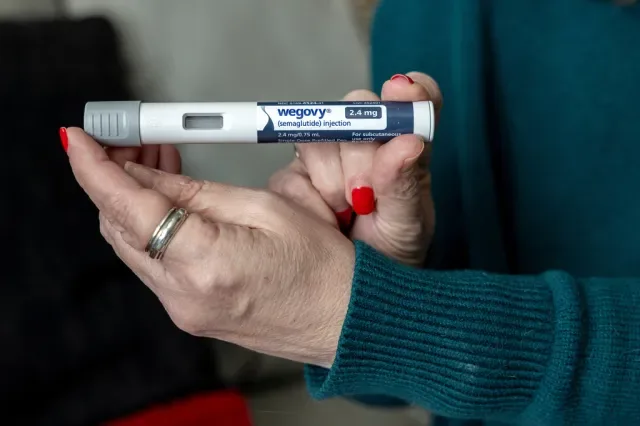
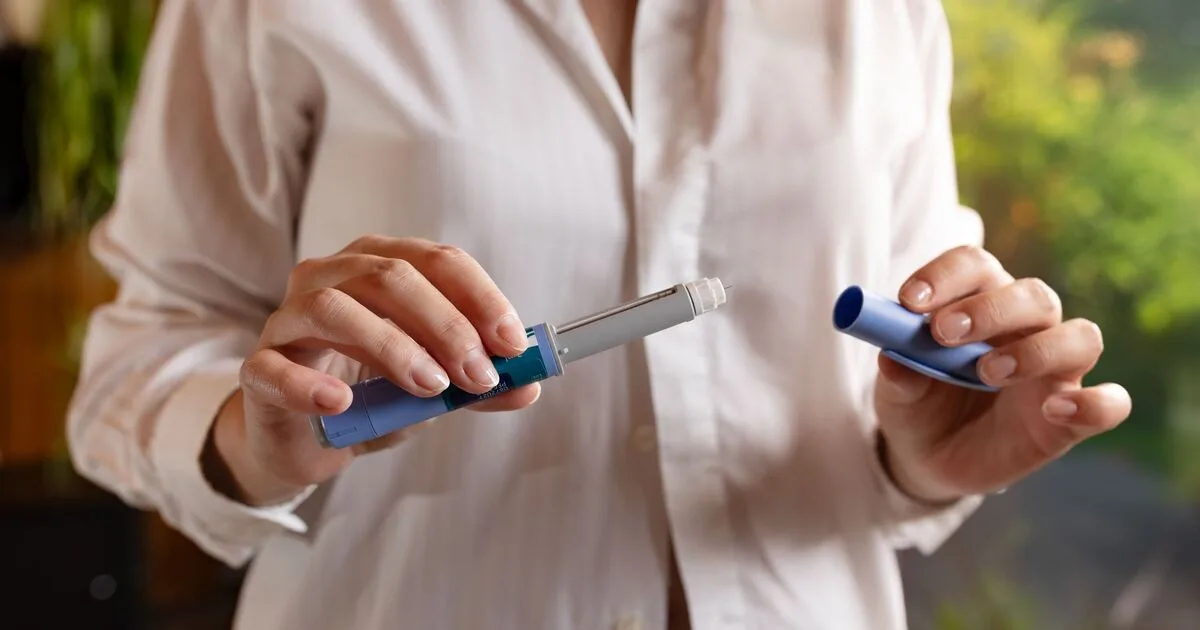
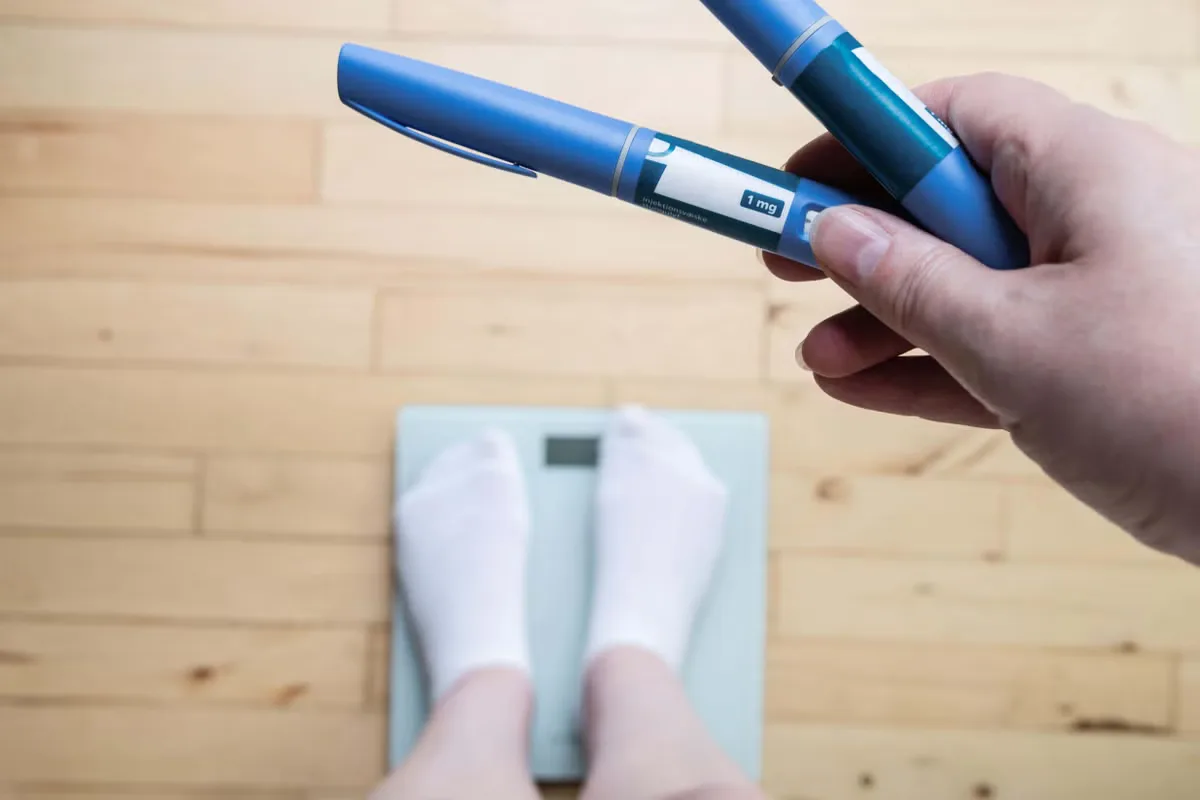
GLP-1 drugs and hair loss have become a focal point in recent medical discussions, with new studies revealing a potential risk associated with glucagon-like peptide-1 receptor agonists (GLP-1 RAs). These medications, widely prescribed for type 2 diabetes management and weight loss, include popular options like Ozempic and Wegovy. As their popularity surges, understanding side effects such as hair thinning or shedding is essential for informed patient care.
A growing body of research is exploring this potential link between GLP-1 RAs and an increased risk of hair loss. While the connection is still under investigation, recent studies are raising awareness among clinicians and patients alike. GLP-1 RAs work by mimicking the effects of the naturally occurring GLP-1 hormone, which regulates blood sugar levels and slows digestion. This mechanism not only aids glycemic control but also promotes significant weight reduction, making drugs like Ozempic (semaglutide) and Wegovy highly effective for metabolic health.
Key Studies Highlighting the GLP-1 RA and Hair Loss Connection
Several pivotal studies have brought GLP-1 drugs hair loss risks into sharper focus. A study published in the Journal of the American Academy of Dermatology highlights the conflicting theories surrounding GLP-1 RAs and hair health. Researchers note that while some propose potential benefits related to improved insulin sensitivity and scalp blood circulation, others suggest a risk of disrupted hair growth cycles or even androgenetic alopecia—commonly known as male or female pattern baldness.
More recently, a study assessing data from nearly 550,000 adults and adolescents indicated a statistically significant association between GLP-1 RA use and diagnoses of both telogen effluvium (TE) and androgenetic alopecia after 12 months of use. Telogen effluvium is a common condition characterized by temporary hair shedding, often triggered by stress or physiological changes. The increased risk observed in the study persisted even after accounting for factors like sex, body mass index (BMI), age, and diabetes status.
A systematic review published in Cureus in September 2025 yielded conflicting findings, with some studies indicating hair regrowth while others reported hair loss. This underscores the complexity of the issue and the need for further investigation. Additionally, limited data exists regarding the impact of GLP-1 RAs on hair loss in adolescent populations, as the recent study mentioned above did not have sufficient data to draw conclusions about this age group.
Why These Findings Matter for Metabolic Health Patients
For patients using GLP-1 RAs for type 2 diabetes or obesity, these studies emphasize the importance of holistic monitoring. While the research is evolving and a definitive causal relationship has not been established, the emerging evidence warrants proactive discussions with healthcare providers. The balance between benefits—like better blood sugar control and sustained weight loss—and potential side effects like hair loss must be individualized.
Potential Mechanisms Linking GLP-1 RAs to Hair Loss
Researchers are exploring several potential mechanisms that could explain the observed link between GLP-1 RAs and hair loss. Rapid weight loss, a common effect of these medications, is one possibility. Significant weight fluctuations can sometimes trigger telogen effluvium, as the body redirects resources during metabolic shifts.
Hormonal and insulin changes induced by the drugs are also being considered. Some research suggests a direct effect of GLP-1 receptors on hair follicles, as noted in a 2019 study published in Biomed Pharmacother, which found that glucagon-like peptide-1 receptor expression is regulated by androgen. This androgen regulation could influence hair follicle cycling, potentially contributing to conditions like androgenetic alopecia.
Comparing Risks Across GLP-1 Medications
Drugs like Ozempic and Wegovy, both based on semaglutide, share similar mechanisms, so the hair loss signals may apply broadly to the GLP-1 RA class. However, individual responses vary based on dosage, duration of use, and personal factors such as genetics or concurrent medications. Unlike statins or other diabetes drugs, GLP-1 RAs uniquely combine appetite suppression with cardiovascular benefits, but their impact on hair health adds a layer of nuance not seen in alternatives like metformin or SGLT2 inhibitors.
Precision tracking for your journey
Join thousands using Shotlee to accurately track GLP-1 medications and side effects.
📱 Get the Shotlee App
Track your GLP-1 medications, peptides, and health metrics on the go with our mobile app!
What Patients Should Know: Practical Guidance
"Awareness of alopecia risk in patients on GLP-1 RAs is critical for early detection, anticipatory guidance, and multidisciplinary care," the study authors emphasize. Individuals starting GLP-1 RA therapy should discuss the potential for hair loss with their healthcare provider. Close monitoring for any changes in hair health is also recommended.
If you are taking a GLP-1 RA and experience noticeable hair loss, it's crucial to consult with your doctor. They can help determine the underlying cause and recommend appropriate management strategies. It's important to rule out other potential causes of hair loss, such as nutritional deficiencies, thyroid disorders, or other medical conditions.
Practical steps include maintaining a nutrient-rich diet to support hair health—focusing on biotin, iron, zinc, and protein—especially during rapid weight loss phases. Tools like Shotlee can assist in tracking symptoms, side effects, or medication schedules, providing valuable data for doctor visits. Patients with a family history of androgenetic alopecia may need extra vigilance.
Safety Profile and Side Effects Context
While hair loss is an emerging concern, GLP-1 RAs have a well-established safety profile for most users, with common side effects like nausea or gastrointestinal issues often improving over time. Serious risks, such as pancreatitis or thyroid tumors, are rare but monitored. Hair-related issues appear reversible in many cases of telogen effluvium, distinguishing them from progressive baldness patterns.
Treatment Options for GLP-1 Associated Hair Loss
Treatment options for hair loss associated with GLP-1 RA use may vary depending on the type of hair loss and its severity. In some cases, the hair loss may be temporary and resolve on its own once the medication is stopped or the body adjusts. Other treatments, such as topical minoxidil or other therapies, may be considered under the guidance of a dermatologist.
For persistent cases, platelet-rich plasma (PRP) therapy or low-level laser treatments offer non-invasive options. Dose adjustments or switching to alternative GLP-1 formulations could be explored, always weighing metabolic benefits against cosmetic concerns.
Key Takeaways: Balancing Benefits and Risks
- Significant Association Found: GLP-1 RA use linked to higher telogen effluvium and androgenetic alopecia risks in a study of 550,000 patients after 12 months.
- Mechanisms Explored: Rapid weight loss, hormonal shifts, and direct follicle effects via GLP-1 receptors.
- Patient Action Steps: Discuss risks with providers, monitor hair changes, rule out other causes, and consider tracking apps like Shotlee.
- Research Gaps: Conflicting findings; limited adolescent data; need for causal studies.
- Overall Outlook: Benefits for diabetes and weight loss often outweigh risks with proper monitoring.
Conclusion: Informed Use of GLP-1 RAs
The ongoing research into the effects of GLP-1 RAs on hair health highlights the importance of comprehensive monitoring and a holistic approach to patient care. As these medications continue to be widely prescribed, it's essential for healthcare professionals to stay informed about potential side effects and to provide patients with accurate and up-to-date information. Further studies are needed to fully understand the complex interplay between GLP-1 RAs, hormonal regulation, and hair follicle function.
While the potential for hair loss is a concern, it's important to remember that GLP-1 RAs can be highly effective in managing type 2 diabetes and promoting weight loss. The benefits of these medications often outweigh the risks for many patients, but a careful assessment of individual risk factors and a proactive approach to monitoring are essential. Consult your doctor to personalize your treatment plan and ensure optimal metabolic and aesthetic health outcomes.