
Introduction: Oprah's Revelation and the Reality of Obesity Treatment
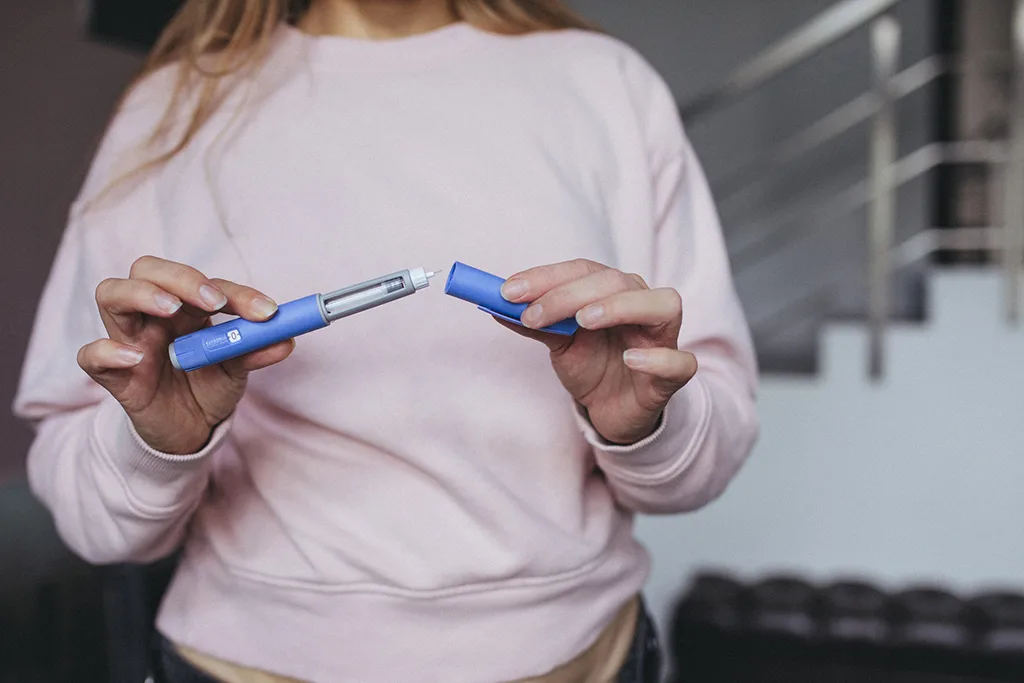
Oprah Winfrey's candid podcast discussion with Serena Williams brought renewed attention to GLP-1 medications like Ozempic, Wegovy, and Mounjaro. After using these injections mid-2023, she stopped in early 2024—despite maintaining diet and exercise—and regained about 9 kilograms. This experience underscores a key truth: obesity is a chronic disease, and GLP-1 drugs are ongoing treatments, not short-term weight-loss aids.
Health-conscious individuals exploring these therapies need to understand the science, clinical evidence, and practical strategies. This guide draws from expert Dr. Idit Dotan, director of the Diabetes Unit and Multidisciplinary Center for Obesity Treatment at Rabin Medical Center, to provide evidence-based insights on GLP-1 drugs long-term use, mechanisms, weight regain risks, and holistic management.
Obesity as a Chronic Disease: Reframing the Conversation
Dr. Dotan emphasizes: "These are not 'weight-loss injections' but treatments for obesity." Labeling them correctly shifts perspective from aesthetic to medical, akin to therapies for hypertension or diabetes. Obesity drives complications like type 2 diabetes, fatty liver disease, sleep apnea, cardiovascular risks, and osteoarthritis.
"Obesity is a disease, and treatment for obesity is not aesthetic. I draw arrows from 'Obesity' to its comorbidities—diabetes, hypertension, dyslipidemia—marking what's already present."
This framework explains why stopping treatment often leads to relapse, mirroring other chronic conditions.
How GLP-1 Drugs Work: The Incretin Hormones Explained
Core Mechanisms of GLP-1 and GIP
GLP-1 (glucagon-like peptide-1) and GIP (glucose-dependent insulinotropic polypeptide) are incretin hormones released by the gut post-meal. Drugs like Wegovy (semaglutide) mimic GLP-1 alone, while Mounjaro/Zepbound (tirzepatide) combine GLP-1 and GIP for enhanced effects.
- Glucose control: Boost insulin secretion from pancreatic beta cells (glucose-dependent) and suppress glucagon, reducing liver glucose output—key for type 2 diabetes.
- Satiety signals: Slow gastric emptying (less snacking), signal fullness via the hypothalamus (smaller portions), and quiet "food noise."
- Fat metabolism: GIP counters obesity-related fat tissue inflammation, reducing ectopic fat in liver, pancreas, muscles, and heart—improving insulin sensitivity and cardiovascular health.
These actions extend beyond weight loss: trials show better lipid profiles, blood pressure, sleep apnea resolution, and reduced cardiovascular events (e.g., SELECT trial for semaglutide).
Biological Reasons for Weight Regain After Stopping GLP-1 Drugs
The body resists weight loss as a survival mechanism. Post-loss:
- Ghrelin surges: Heightens hunger.
- Satiety hormones drop: GLP-1 levels fall, reducing fullness.
- Metabolic adaptation: Basal metabolic rate slows, burning fewer calories.
Dr. Dotan likens it to a caveman in famine: conserve energy, ramp up hunger. GLP-1 drugs reset the brain's hunger-satiety setpoint, aiding both loss and maintenance. Without them, physiology prevails.
Clinical Evidence: Weight Regain is the Norm
Studies confirm this:
Precision tracking for your journey
Join thousands using Shotlee to accurately track GLP-1 medications and side effects.
📱 Get the Shotlee App
Track your GLP-1 medications, peptides, and health metrics on the go with our mobile app!
- Diabetes Prevention Program: Intensive lifestyle intervention caused regain post-stop.
- The Biggest Loser: Participants lost ~58kg in 30 weeks, regained 40+kg after 6 years.
- GLP-1 trials: STEP (Wegovy): ~83% regain within a year off-drug. SURMOUNT (Mounjaro): Similar patterns. Saxenda studies mirror this.
"If a patient doesn't regain after stopping, I'd investigate—it's against physiology," says Dr. Dotan.
A Comprehensive Approach to GLP-1 Therapy
Building a Multidisciplinary Plan
Treatment starts with context: medical history, emotional factors, labs, and exam. Core pillars:
- Nutrition: Sustainable, nutrient-dense eating—not restrictive diets.
- Exercise: Tailored activity, emphasizing resistance training.
- Support: Behavioral therapy, multidisciplinary teams (dietitians, physiotherapists).
- Pharmacotherapy: Integrated as needed, alongside endobariatrics or surgery for severe cases.
It's a marathon: expect plateaus, fluctuations. Tools like Shotlee can help track symptoms, side effects, and nutrition alongside medication for better adherence.
Managing Side Effects of GLP-1 Medications
Common issues are gastrointestinal:
- Nausea/vomiting: Peaks early, subsides with time/dose titration.
- Constipation/diarrhea/gas/heartburn: Manage with hydration, fiber, motility aids.
- Gallstones: Risk in rapid loss; monitor for pain.
Oprah noted under-discussed constipation. Side effects often wane; consistent monitoring is key. Avoid black-market sources—risk adulterated drugs or improper dosing without supervision.
"Strongly urge medical supervision and nutritional guidance." – Dr. Idit Dotan
Preserving Muscle Mass: Key for Long-Term Success
Weight loss includes ~25% muscle if unmanaged (sarcopenia risk, especially older adults). Strategies:
- High-quality protein (1.2-1.6g/kg body weight daily).
- Resistance training 2-3x/week.
- Avoid extreme calorie cuts.
Monitor body composition. Contraindications: eating disorders, pancreatitis history. Complex cases need obesity centers.
Conclusion: Embracing Lifelong Management for Metabolic Health
Oprah's story illustrates GLP-1 drugs' power—and limitations. As chronic obesity therapy, they demand long-term commitment within lifestyle changes. Benefits outweigh risks under guidance: sustained weight control, comorbidity reversal, improved quality of life. Consult specialists, track progress (e.g., with apps like Shotlee), and view this as empowerment, not a quick fix. For personalized advice, seek a multidisciplinary obesity team.