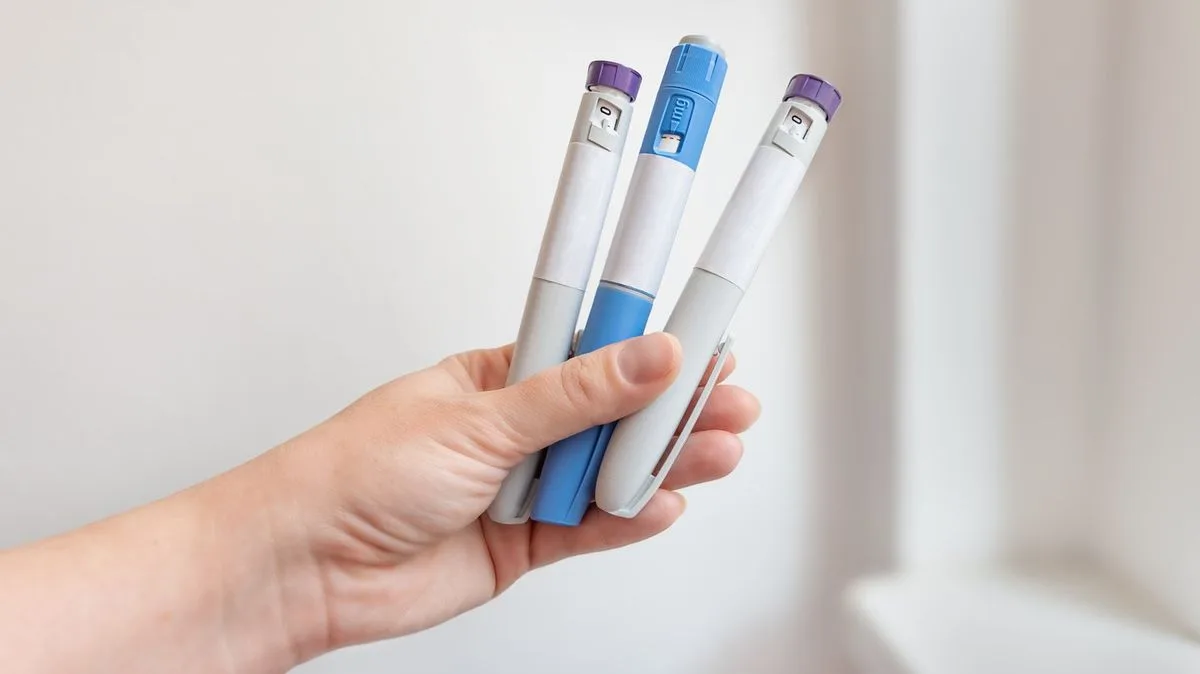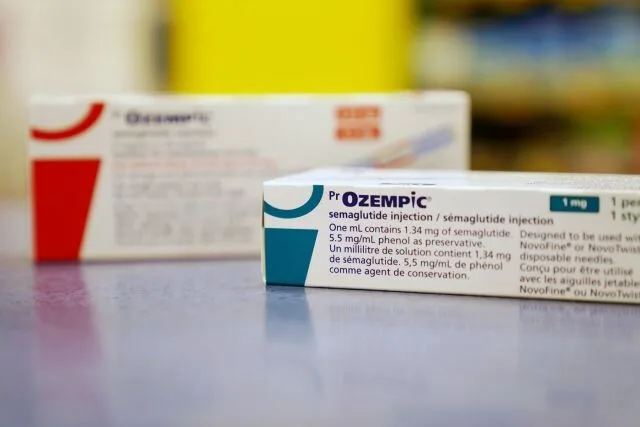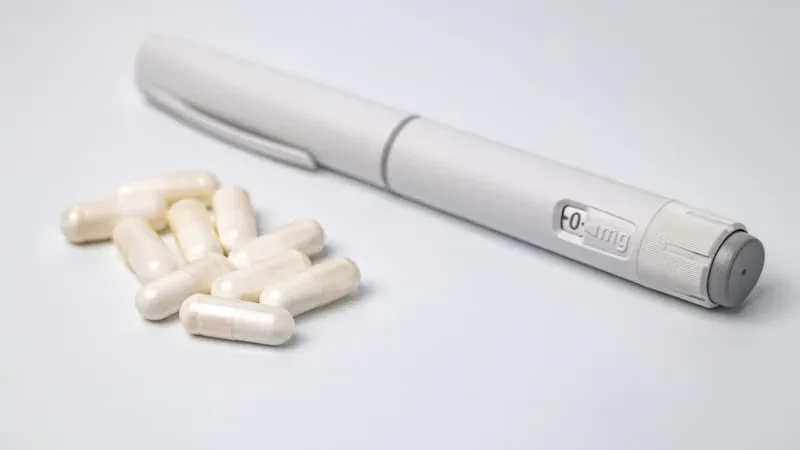

The landscape of metabolic health treatment has been significantly reshaped by the advent of GLP-1 receptor agonists (RAs). Initially developed for diabetes management, these medications, including popular drugs like Ozempic (semaglutide), Wegovy (semaglutide), and Mounjaro (tirzepatide), have demonstrated remarkable efficacy in promoting weight loss and improving glycemic control. Their multifaceted mechanisms of action involve delaying gastric emptying, inhibiting glucagon secretion, positively influencing the gut microbiome, and directly impacting appetite-regulating centers in the brain.
Beyond their primary benefits, GLP-1 RAs offer advantages such as improved cardiovascular outcomes in certain patient populations. However, like all potent medications, they come with a profile of potential side effects and considerations that warrant careful attention from both healthcare providers and patients. Common gastrointestinal adverse events include nausea, vomiting, abdominal pain, diarrhea, constipation, bloating, belching, and flatulence. Other important considerations include an increased risk of hypoglycemia when used with other antidiabetic therapies, the potential for cholelithiasis (gallstones), and, though rare, pancreatitis. Concerns also exist regarding the potential loss of muscle and bone mass with prolonged use, and weight regain after discontinuation.
While research continues to expand our understanding of the long-term benefits and risks associated with these agents, particularly concerning bone health and fracture risk, a critical area demanding closer scrutiny is the potential for drug interactions. As the use of GLP-1 RAs becomes more widespread, a comprehensive understanding of how they interact with other medications is paramount for ensuring patient safety and optimizing therapeutic outcomes.
The Core Mechanism Behind GLP-1 Drug Interactions
The most clinically significant drug interactions associated with GLP-1 receptor agonists stem primarily from their effect on delayed gastric emptying. By slowing down the rate at which the stomach empties its contents into the small intestine, GLP-1 RAs can alter the absorption profile of other orally administered medications. This delay can mean that a drug takes longer to reach its maximum concentration in the bloodstream (Tmax) and may result in lower peak concentrations (Cmax). While for some medications this might not pose a significant issue, for others, particularly those with a narrow therapeutic index or those requiring specific peak concentrations for efficacy, these changes can have important clinical implications.
Specific Drug Interactions to Monitor
While interactions related to drug metabolism or transport pathways are generally considered to have limited clinical relevance for GLP-1 RAs, the impact on absorption due to delayed gastric emptying is a key concern. Healthcare providers must be aware of these potential interactions when prescribing GLP-1 RAs to patients taking other medications. Here's a breakdown of some notable interactions:
- Oral Contraceptives: Studies, particularly with tirzepatide, have shown significant alterations in the levels of oral contraceptives. This could potentially compromise their efficacy, leading to an increased risk of unintended pregnancy. Patients using oral contraceptives should be advised to consider alternative or backup methods of contraception while initiating or adjusting GLP-1 RA therapy.
- Levothyroxine: For individuals taking levothyroxine to manage hypothyroidism, oral semaglutide has demonstrated significant changes in levothyroxine levels. Close monitoring of thyroid hormone levels is recommended when these medications are used concurrently.
- Insulin and Sulfonylureas: When GLP-1 RAs are used in combination with insulin or sulfonylureas, there is an increased risk of hypoglycemia (dangerously low blood sugar). This necessitates careful dose adjustments of the antidiabetic agents to mitigate this risk.
- Dipeptidyl Peptidase-4 (DPP-4) Inhibitors: Due to overlapping mechanisms of action (both signaling through the GLP-1 pathway), it is generally recommended to discontinue DPP-4 inhibitors when initiating GLP-1 RA therapy. The combined use of these agents has not been adequately studied, and potential additive effects or unforeseen consequences are a concern.
- Dabigatran: Pharmacokinetic modeling suggests a substantial increase in dabigatran levels (potentially up to 205%) when used concomitantly with GLP-1 RAs. Dabigatran is an anticoagulant, and elevated levels could significantly increase the risk of bleeding.
Medications with No Clinically Relevant Interactions
It's also important to note that not all co-administered oral medications are affected. Despite observed changes in Cmax and Tmax, the following medications have generally shown no clinically relevant pharmacokinetic changes when used with GLP-1 RAs:
Precision tracking for your journey
Join thousands using Shotlee to accurately track GLP-1 medications and side effects.
📱 Get the Shotlee App
Track your GLP-1 medications, peptides, and health metrics on the go with our mobile app!
- Warfarin
- Digoxin
- Lisinopril
- Metformin
- Atorvastatin
- Acetaminophen
Implications for Patient Care and Safety
The evidence regarding these drug interactions, while growing, is still considered limited in some areas. Given the widespread and increasing use of GLP-1 RAs for both diabetes and obesity, a heightened awareness and proactive approach to managing potential interactions are essential. This is particularly true for medications that possess a narrow therapeutic index, meaning that small changes in drug concentration can lead to significant differences in efficacy or toxicity. Examples include certain antibiotics where maintaining a specific concentration is crucial for fighting infection.
The potential consequences of unmanaged drug interactions can range from:
- Treatment Failure: Such as unintended pregnancy due to compromised contraceptive efficacy.
- Hypoglycemia: Leading to symptoms like dizziness, confusion, and in severe cases, loss of consciousness.
- Hemorrhage: Increased bleeding risk, especially with anticoagulants like dabigatran.
- Decreased Efficacy: Reduced effectiveness of treatments for conditions like hypothyroidism or infections.
This underscores the critical need for open communication between patients and their healthcare providers. Patients should always disclose all medications, including over-the-counter drugs, supplements, and herbal remedies, they are currently taking. Healthcare providers, in turn, must carefully review a patient's medication list before initiating GLP-1 RA therapy and provide clear instructions regarding potential interactions and necessary monitoring.
Tracking and Managing Your Health with GLP-1 Therapy
Managing a chronic condition like diabetes or obesity, especially with potent medications like GLP-1 RAs, requires diligent tracking of various health metrics. Tools that allow you to monitor your blood glucose levels, weight, and even symptom onset can be invaluable. For individuals on GLP-1 therapy, tracking doses, any new or worsening symptoms, and adherence to medication schedules is crucial. This data can provide your healthcare team with the insights needed to make informed adjustments to your treatment plan, ensuring both efficacy and safety. For example, if you experience persistent nausea or notice significant changes in your blood sugar readings when using GLP-1s alongside other medications, having this information readily available can help expedite diagnosis and intervention.
The Future of GLP-1 Therapy and Drug Interactions
As research into GLP-1 receptor agonists continues, we can expect to see more comprehensive data emerge regarding their long-term effects and their interactions with a wider array of medications. Ongoing clinical trials and post-marketing surveillance play a vital role in refining our understanding and updating clinical guidelines. The development of personalized medicine approaches, which consider an individual's genetic makeup and existing medication profile, may further enhance the safe and effective use of these transformative therapies. For now, vigilance, open communication, and careful medication management remain the cornerstones of successful GLP-1 therapy.
Practical Takeaways
- Always inform your doctor about all medications, supplements, and herbal products you are taking before starting a GLP-1 RA.
- Be aware of potential interactions, especially with oral contraceptives, levothyroxine, insulin, sulfonylureas, and dabigatran.
- Monitor for side effects such as nausea, vomiting, and signs of hypoglycemia.
- Consider alternative contraception if using oral contraceptives.
- Regularly check blood glucose and thyroid hormone levels as advised by your physician.
Conclusion
GLP-1 receptor agonists represent a significant advancement in the treatment of type 2 diabetes and obesity, offering substantial benefits for many patients. However, their use necessitates a thorough understanding of potential drug interactions, primarily driven by their effect on gastric emptying. By fostering open communication with healthcare providers, diligent self-monitoring, and staying informed about emerging research, patients can navigate GLP-1 therapy safely and effectively, maximizing its benefits while minimizing risks.