Gen X and the Ultra-Processed Food Trap: Regaining Control
Are you, like many in Gen X, finding it hard to resist ultra-processed foods (UPFs) despite knowing their harmful effects? You're not alone. Studies are revealing a concerning trend: a significant portion of this generation struggles with what might be an addiction to these tempting, yet unhealthy, products. Let's delve into why this is happening and, more importantly, how you can break free and reclaim your health.
Why Gen X is Particularly Vulnerable
A study published in the journal
Addiction highlights the vulnerability of those aged 45 to 60. The research found that a substantial percentage of this group experiences strong cravings for UPFs, finds it difficult to reduce their consumption, and even suffers withdrawal symptoms when they try. This could be because Gen X grew up as these foods were becoming staples in the market, so they formed early food habits. These foods are engineered to bypass the body's natural satiety signals, making overconsumption much easier.
- Strong Cravings: Intense desires for snacks, refined carbohydrates, and sugary packaged goods.
- Unsuccessful Reduction: Repeated attempts to cut back on UPFs often fail.
- Withdrawal Symptoms: Experiencing anxiety, anger, and cravings when trying to eliminate UPFs.
The Science Behind the Craving
So, what makes these foods so addictive? A study in the
Journal of Metabolic Health sheds some light. These foods, laden with sugar, unhealthy fats, and artificial additives, can disrupt your hormones and alter the reward pathways in your brain. This leads to a compulsive urge to eat more, creating a vicious cycle of craving and consumption. It's like your brain is being rewired to prioritize these unhealthy options over nutritious, whole foods.
Practical Strategies to Break Free
Fortunately, you *can* overcome this addiction with a combination of self-initiated changes and support. It starts with making conscious choices and building healthier habits.
Here are some actionable steps you can take:
- Increase Daily Activity: Aim for at least 10,000 steps a day. Physical activity can help regulate hormones and reduce cravings.
- Shop Smart: Focus on buying fresh fruits and vegetables. Avoid the processed food aisles altogether.
- Eliminate Refined Carbs: Swap white bread, pasta, and sugary cereals for whole grains and complex carbohydrates.
- Hydrate Wisely: Drink primarily water, filtered black coffee, and tea. Avoid sugary drinks and sodas.
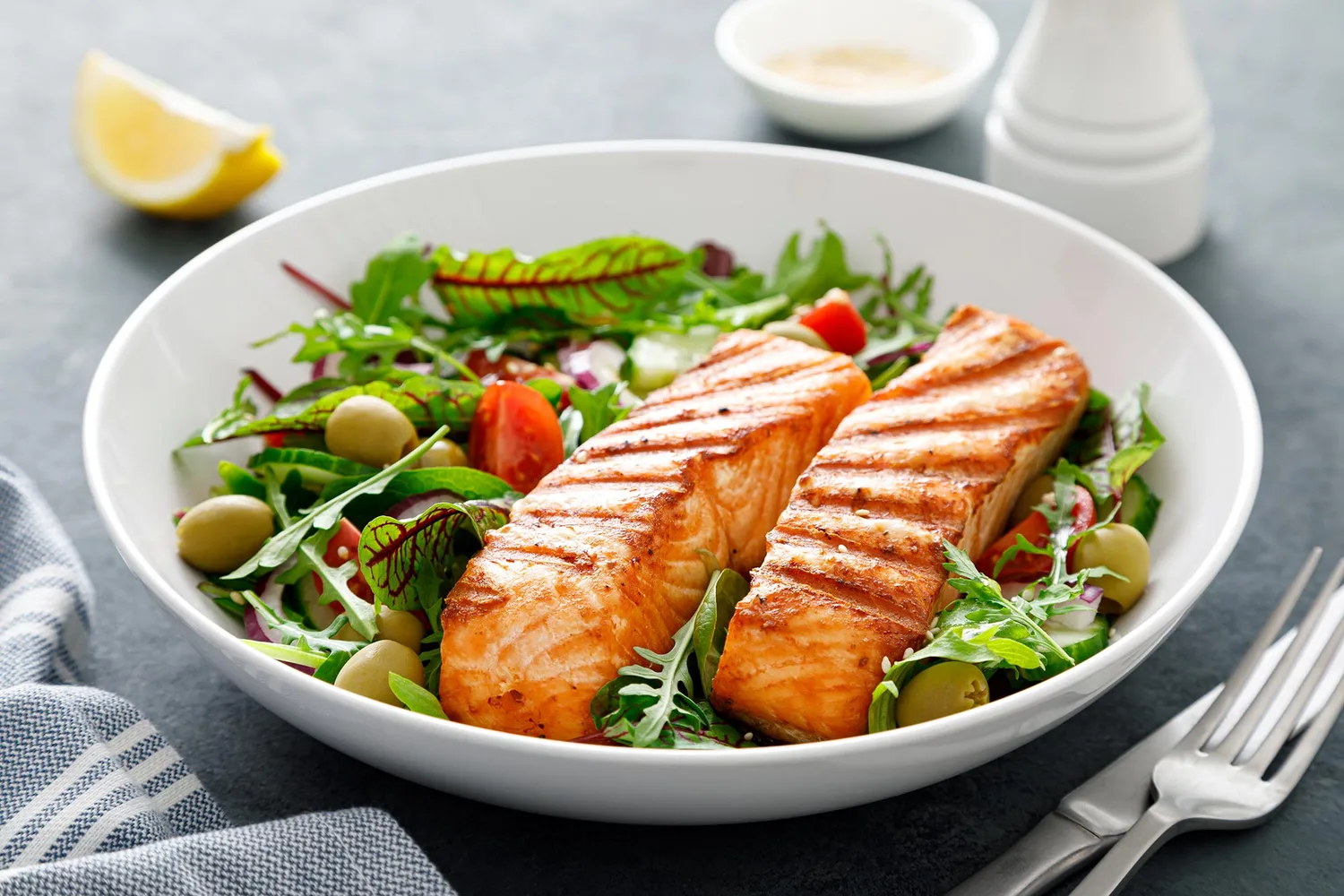
- Cook at Home: Prepare your own meals using fresh ingredients. This gives you control over what you're eating and reduces the temptation of processed foods.
- Limit Fast Food: As much as possible, avoid fast food places.
The Rewards of a Healthier Lifestyle
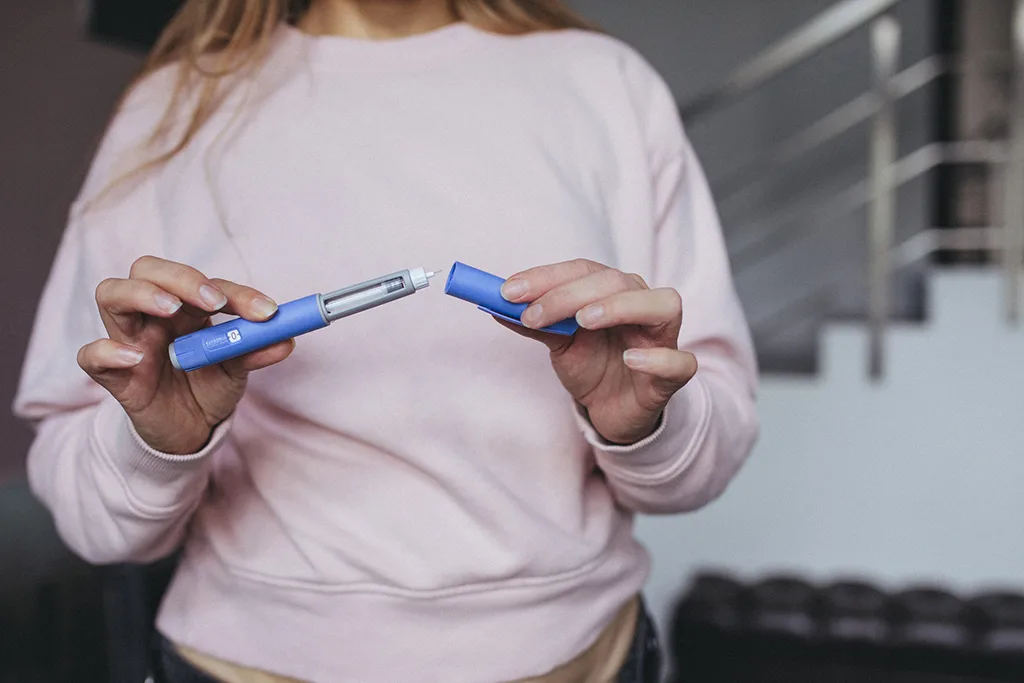
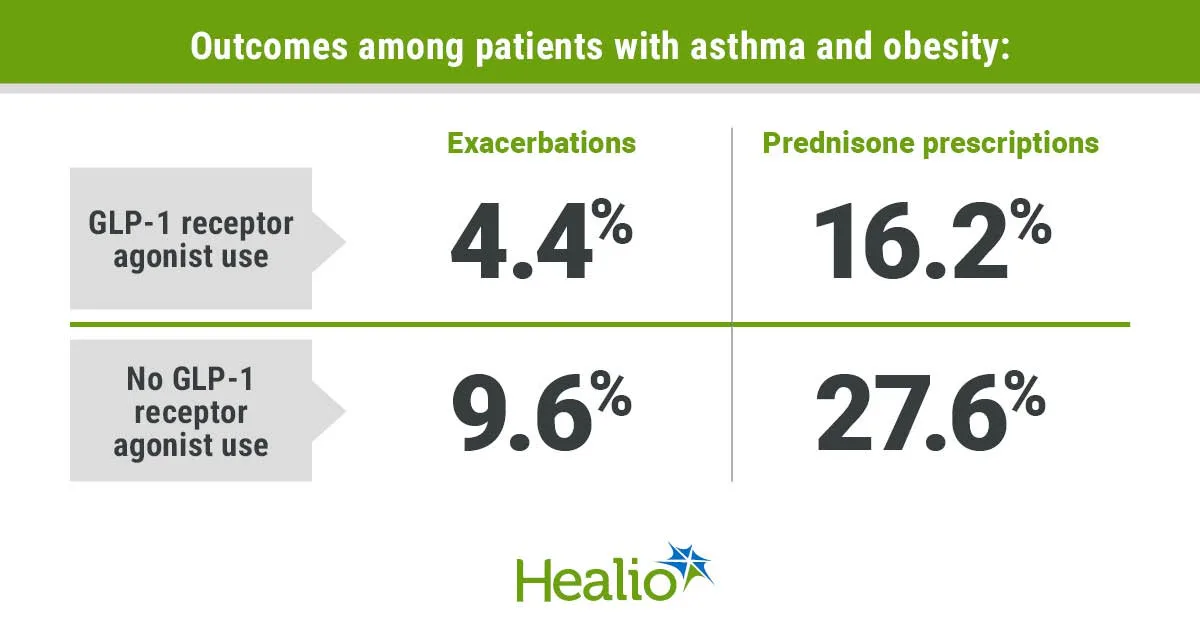
The effort you put into breaking free from UPFs is well worth it. The rewards are significant – a longer, healthier, and happier life. Many people struggling with food addictions also report social isolation and emotional distress, which can be alleviated by adopting a healthier lifestyle. For some individuals, consulting a healthcare professional about options like **GLP-1** medications like **
semaglutide** (**
Ozempic**, **
Wegovy**) or **
Mounjaro**, or exploring **
peptide therapy** such as **
BPC-157** might be beneficial. While these are powerful tools, they work best in conjunction with a comprehensive plan involving diet and lifestyle modifications.
For those wanting to understand more about your overall health, tools like **
Shotlee** can help track your progress and provide insights into how your diet and lifestyle affect key health markers.
Conclusion: Take Control of Your Health
Breaking free from the ultra-processed food trap is a journey, but it's one that's entirely possible. By understanding the science behind the addiction and implementing practical strategies, you can reclaim control of your health and well-being. Remember to focus on nourishing your body with whole foods, staying active, and seeking support when needed. Your health is an investment, and the returns are invaluable.