The Evolution of Weight-Loss Medications
This transformation is gaining momentum as Novo Nordisk and Eli Lilly gear up to launch oral forms of their bestselling injectable medications, placing greater emphasis on out-of-pocket payment options, remote healthcare services, and direct consumer advertising.
LONDON, U.K.: Obesity treatments are increasingly resembling everyday items rather than conventional pharmaceuticals, with drug manufacturers, online health platforms, and mobile applications reshaping the prescription, promotion, and application of GLP-1 therapies.
Leaders in healthcare are frequently envisioning a scenario where obesity medication functions like a recurring service, with dosages monitored via smartphones and availability as straightforward as ordering products through e-commerce. This change is picking up pace as Novo Nordisk and Eli Lilly get ready to release tablet alternatives to their popular injection-based drugs, relying more on self-funded avenues, telemedicine, and marketing aimed at consumers.
This initiative emerges amid predictions that the worldwide obesity sector could hit roughly US$150 billion annually within the coming years. GLP-1 medications have revolutionized care by integrating weight reduction into everyday routines, alongside exercise, professional obligations, and digital activities.
Interviews conducted with numerous stakeholders in the field, including pharmaceutical producers, retailers, telemedicine companies, and financiers, revealed the ways in which obesity management is adapting to consumer demands.
"We envision these treatments becoming so prevalent that everyone might have a dedicated GLP-1 application on their phone, positioned alongside banking tools and weather forecasts," remarked Catherine Brown, clinical services vice president at Welldoc, a digital wellness company collaborating with Lilly to develop an app for reminders and dosage monitoring.
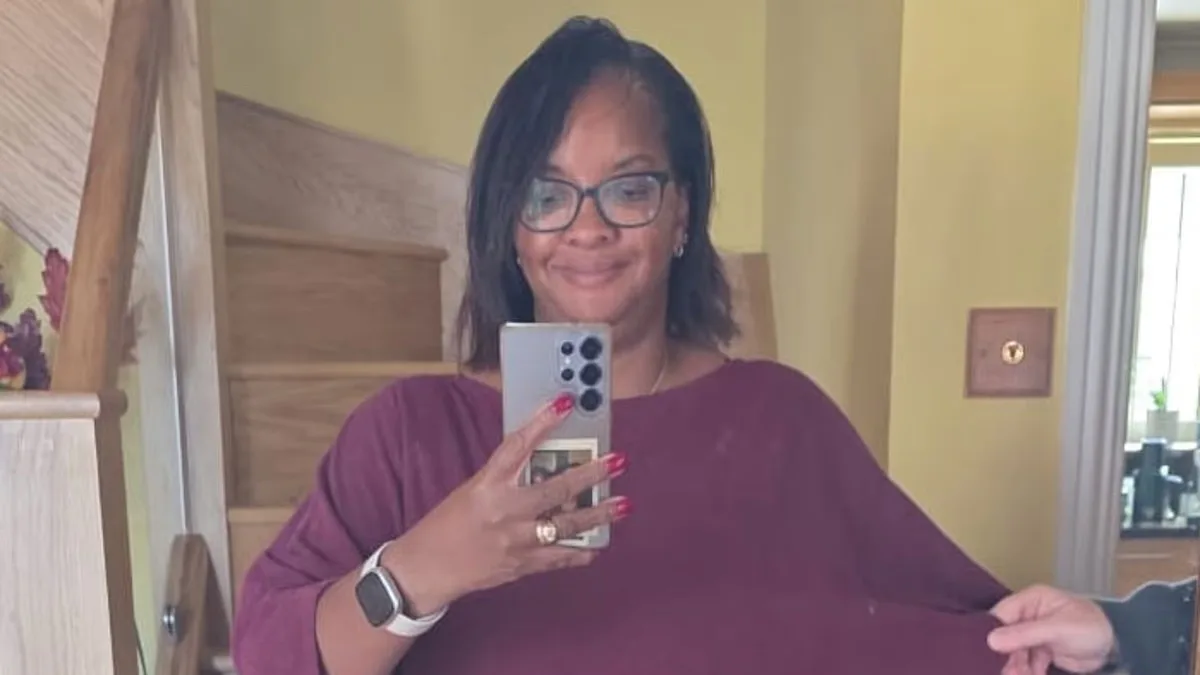
Rachel, a 61-year-old former IT professional from California, mentioned she continues to utilize Noom's platform even after achieving her weight target with Lilly's Zepbound.
"Daily, I enjoy a brief mental boost through check-ins, which keeps me aware," she explained.
Tablets Unlock Fresh Applications
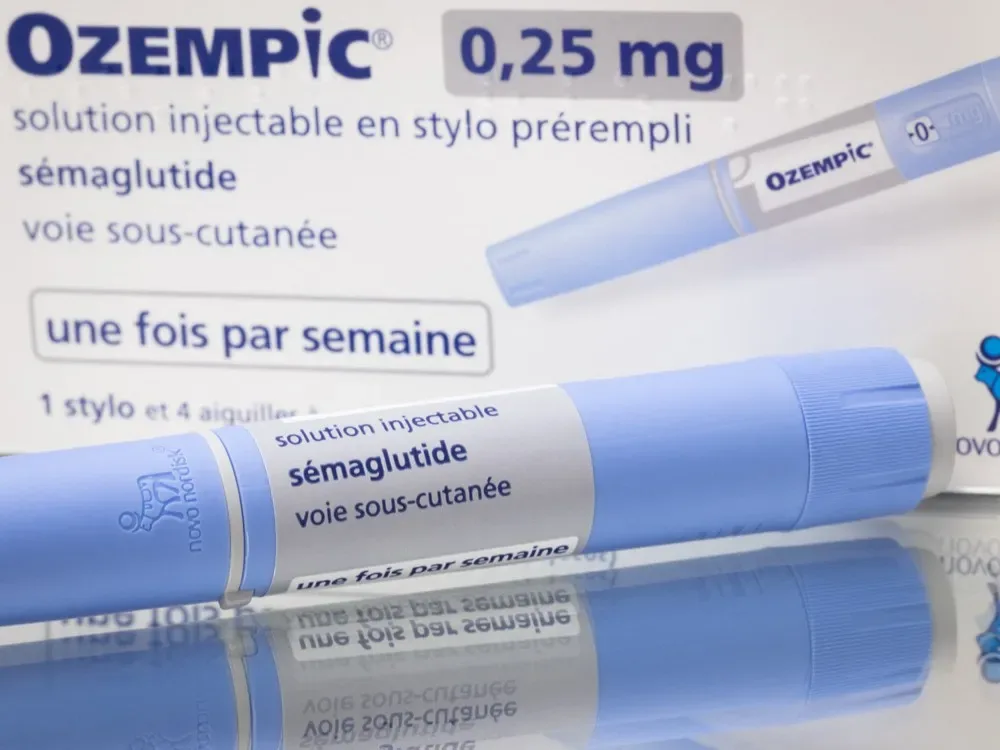
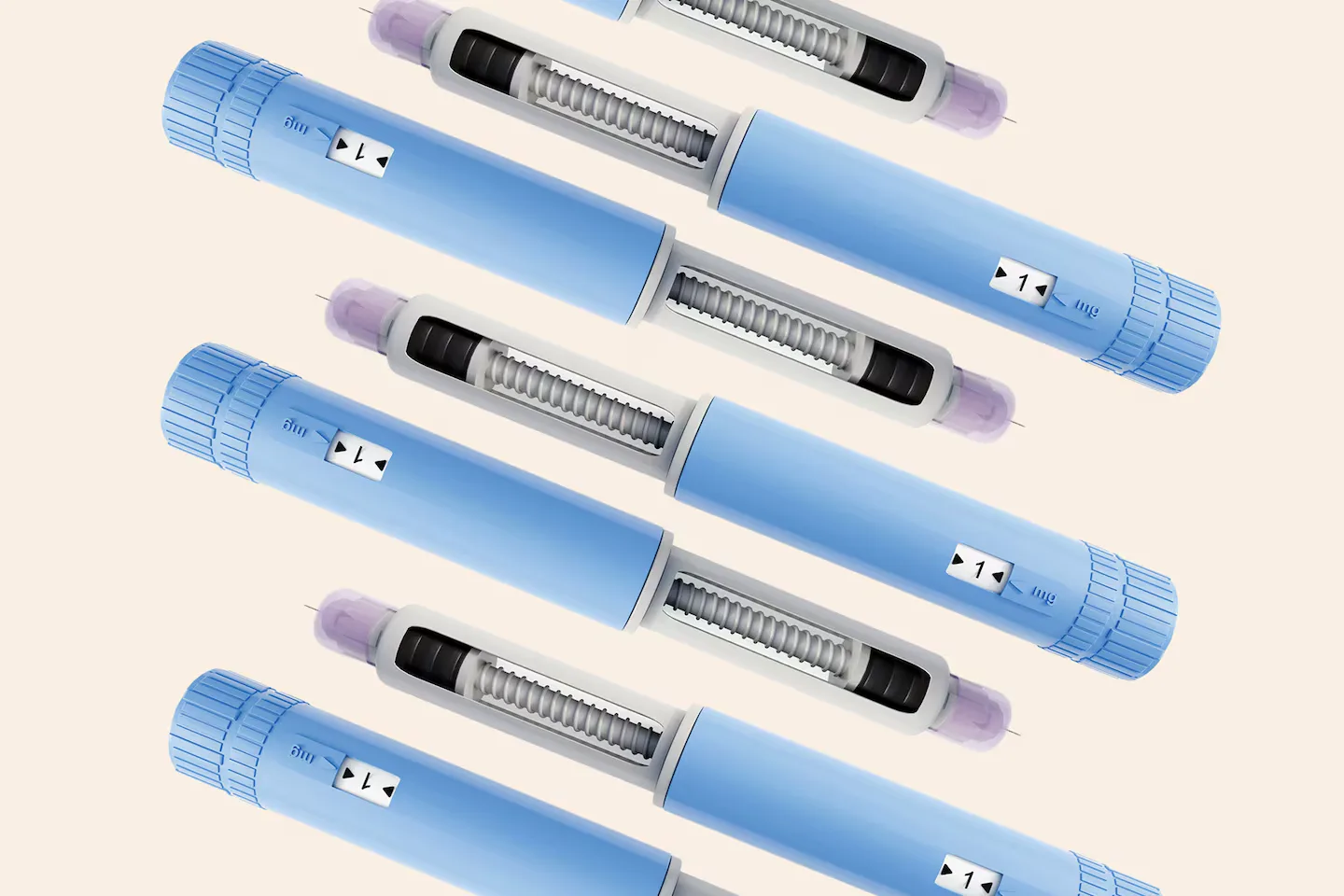
Novo's Wegovy and Lilly's Zepbound are presently administered through weekly injections. Experts and telemedicine providers suggest that daily pills might appeal to those avoiding needles, enable adjustable or smaller doses, and facilitate temporary or ongoing use.
Certain advisors proposed that tablets could serve specific durations, such as vacations or "swimwear months," or following discontinuation of injections.
The U.S. Food and Drug Administration gave approval to Novo Nordisk's Wegovy tablet this week. Lilly's oral medication, orforglipron, is undergoing regulatory scrutiny and may enter the market soon.
Novo plans to introduce its pill in early January 2026. Lilly has announced that it will limit repeat out-of-pocket costs for its tablet to $399 monthly, with both firms offering initial doses at $149 per month for U.S. self-paying clients. Costs for stronger Wegovy pills remain undisclosed.
"They're shifting medication away from clinical settings toward standard retail purchases," observed Lindsay Allen, a health economics expert at Northwestern University's Feinberg School of Medicine. "It's now comparable to acquiring a mobile device."
Precision tracking for your journey
Join thousands using Shotlee to accurately track GLP-1 medications and side effects.
📱 Get the Shotlee App
Track your GLP-1 medications, peptides, and health metrics on the go with our mobile app!
Health tracking apps like Shotlee can help monitor dosing and integrate this into daily habits, enhancing accessibility.
The Consumer Market Emerges
This trend brings notable economic and societal consequences. Lilly achieved the milestone of a $1 trillion market value this year, while Novo emerged as Europe's top publicly traded company in 2024, despite a dip in its stock recently.
Pharma firms are recruiting professionals with consumer expertise, teaming up with telemedicine providers and outlets like Amazon, and employing external advertising that merges medical products with lifestyle elements.
"I can lower prices and reach a broader audience efficiently, without necessarily involving the traditional healthcare framework," Lilly's CEO Dave Ricks stated on the Cheeky Pint podcast in November. "Individuals are self-aware; they recognize if they're carrying excess weight or facing obesity without needing physician confirmation."
Some doctors express concern that bypassing traditional channels might reduce professional guidance. While GLP-1 drugs provide advantages beyond shedding pounds, such as improved cardiovascular health and reduced sleep apnea, they can also trigger significant digestive issues and uncommon instances of pancreatitis, mood disorders, and eye problems.
"We risk downplaying obesity as a serious condition," warned Dr. Robert Kushner from Northwestern's Feinberg School of Medicine. "Caution is essential regarding eligibility, application, and ensuring safe, effective usage."
Millions Remain Unreached
Approximately three-quarters of American adults are overweight or obese, yet only around 12 percent are currently on GLP-1 medications. Tablets could dramatically increase this figure, according to sector specialists.
Novo's CEO Mike Doustdar informed investors in October that obesity management was evolving into a more consumer-oriented field, highlighting how patients proactively pursue care instead of awaiting doctor recommendations.
Self-funding users represent about 10 percent of Wegovy scripts and nearly 30 percent of Zepbound ones, based on IQVIA statistics shared by analysts.
Telemedicine services such as Noom, Ro, and WeightWatchers are expanding their influence by linking individuals with healthcare providers and positioning treatments within holistic wellness plans.
"Clients approach us not requesting 'a GLP-1,'" said Ro's CEO Zachariah Reitano. "They seek weight reduction, boosted vitality, reduced discomfort, improved intimacy, and clearer skin—and we tailor care accordingly."
Insiders in the industry anticipate that pills won't supplant injections but will broaden the market and alter consumer interactions with weight management.
"Our goal is to turn wellness into a routine practice," stated Noom's CEO Geoff Cook.