
Fresh Insights into Mounjaro for Weight Loss Could Improve Impulsive Eating Treatments
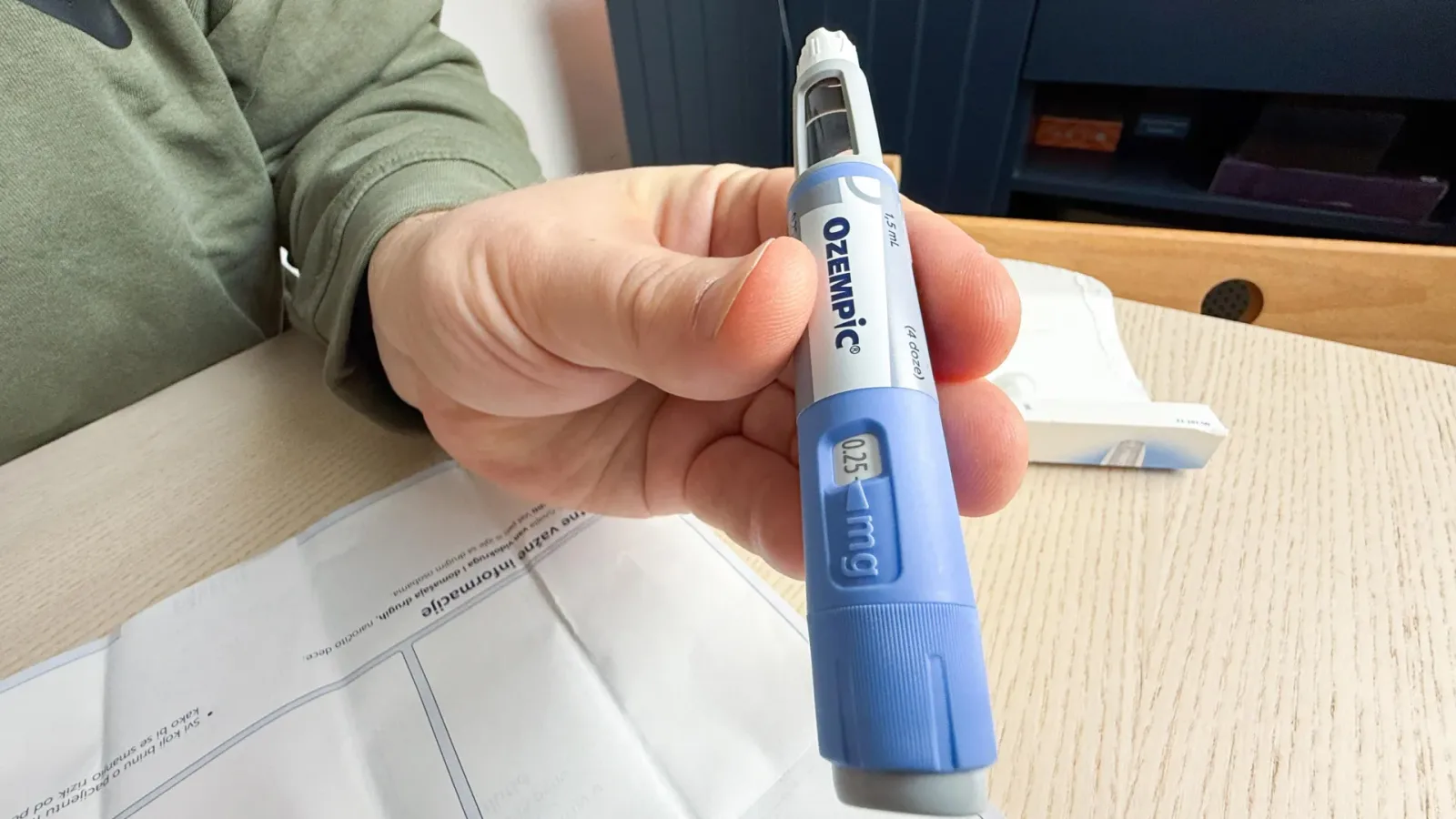
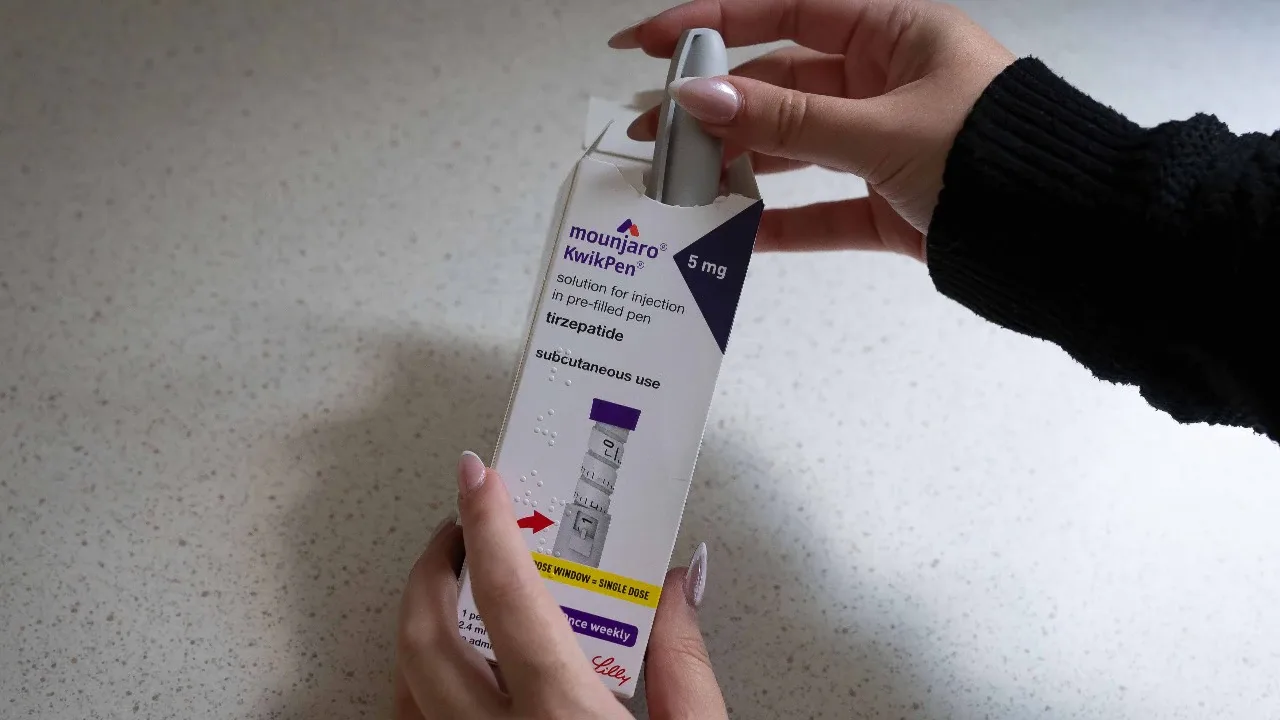
New research from the University of Pennsylvania indicates tirzepatide, marketed as Mounjaro and Zepbound, might aid in reducing brain signals associated with constant food cravings.
The University of Pennsylvania's latest research has assisted in determining how prominent weight-loss medications suppress what's known as "food noise" within the brain.
"Food noise" describes persistent thoughts about food consumption, sometimes triggering binge eating and other disordered eating patterns. Published on Tuesday, the study demonstrates how tirzepatide, a GLP-1 drug sold as Mounjaro and Zepbound, helps diminish signals to the brain's reward center that stimulate food noise. Health tracking apps like Shotlee can help monitor eating patterns and related behaviors.
This research could greatly benefit the 3 million Americans suffering from binge eating disorder. Frequently, the disorder is linked to obesity, a chronic condition potentially leading to diabetes, heart disease, and other serious chronic ailments. Prior studies indicate that about 60% of obese individuals report experiencing "food noise."
Dr. Casey H. Halpern, a senior author of the study and the head of Penn's Division of Stereotactic and Functional Neurosurgery, stated in a news release that "Developing new methods for treating these patients is of the utmost importance."
The researchers were not initially focused on studying tirzepatide. They were conducting a clinical trial to investigate how deep brain stimulation reduces brain signals causing compulsive eating in individuals who haven't achieved weight-loss success through medication, bariatric surgery, or other methods. Deep brain stimulation involves surgically implanting electrodes in the brain to deliver low-frequency electronic currents to the reward center.
Precision tracking for your journey
Join thousands using Shotlee to accurately track GLP-1 medications and side effects.
📱 Get the Shotlee App
Track your GLP-1 medications, peptides, and health metrics on the go with our mobile app!
However, one participant in the study was using tirzepatide to manage type 2 diabetes. Consequently, the researchers were also able to track how the medication influenced brain signals linked to binge eating.
Halpern noted that “Brain surgery to implant the electrodes is invasive, and thus it is extremely rare to study human brain activity in this way. Research fuels more research; This participant was already taking tirzepatide when she enrolled in the trial, but before any stimulation was delivered, giving us a unique opportunity to make foundational observations about how the drug alters brain signals.”
By monitoring brain signals in real-time, the researchers discovered a decrease in the patient's food noise. Conversely, several other participants not taking tirzepatide continued to experience persistent food-related thoughts and cravings.
However, tirzepatide's impact was temporary. After five months, the patient's brain signaling resembled that of individuals with obesity. The patient also reported a return of food noise.
Nonetheless, researchers believe the results are promising.
Wonkyung Choi, a PhD candidate in Halpern's lab, suggested that "These insights should inspire further research into developing a treatment better tailored to the impulsivity traits of obesity and related eating disorders that is safe and long-lasting."