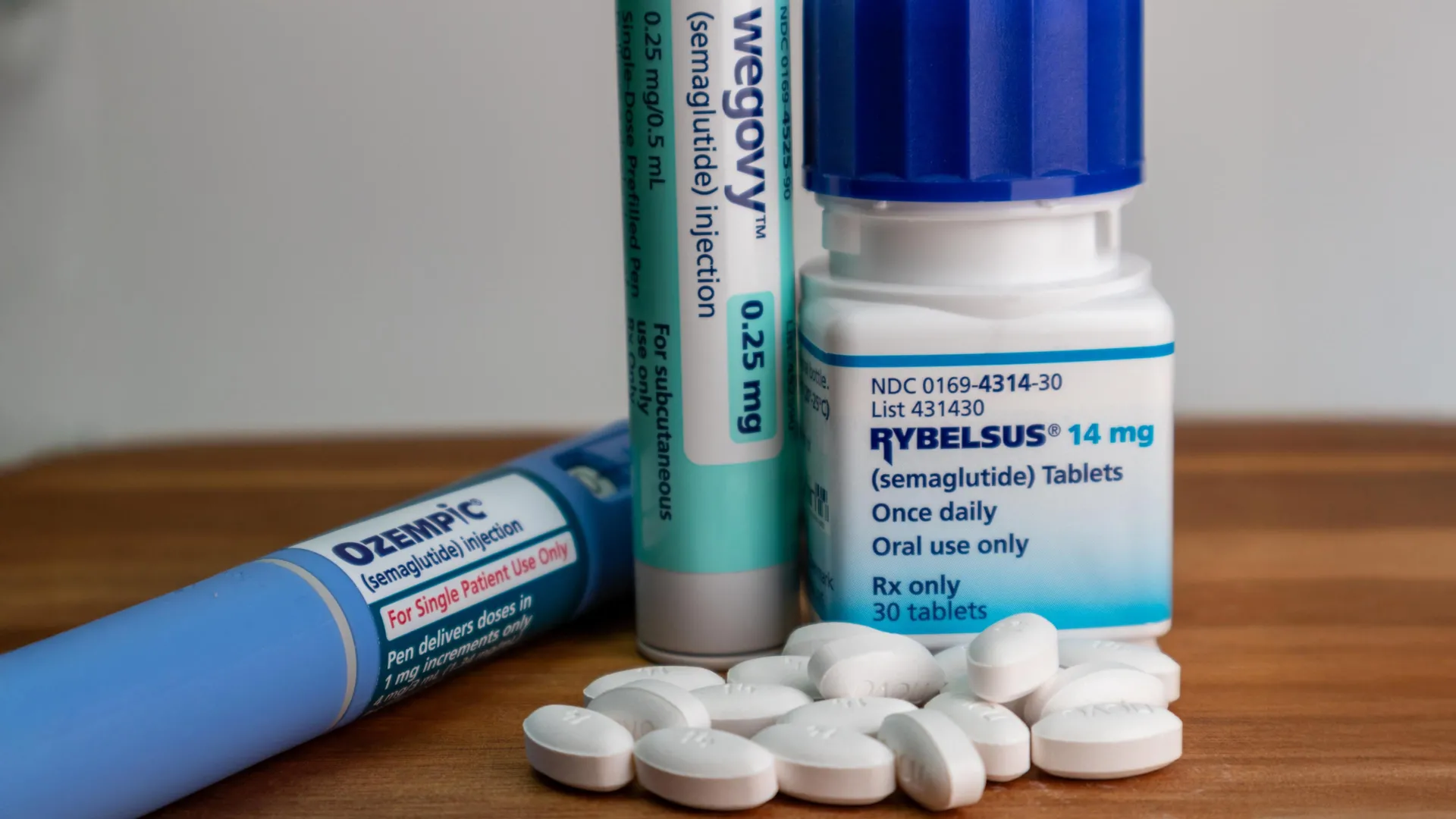
Meals and snacks bearing 'GLP-1 Friendly' markings on their packages are growing in popularity across American grocery shelves, driven by the rising number of people adopting obesity treatments like Wegovy and Zepbound for shedding pounds.
However, these markings do not undergo oversight from the U.S. Food and Drug Administration, in contrast to the medications themselves. Nutritionists advise individuals on GLP-1 therapies to carefully review ingredient details and consult specialists regarding essential and unnecessary nutrients.
Nutritional Requirements
The dietary requirements for those using GLP-1 medications closely resemble those of the broader public, noted Shannon Christen, a nutritionist and diabetes specialist at UCHealth University of Colorado Hospital.
The key distinction lies in the fact that these users consume smaller portions due to appetite suppression from the drugs, meaning their chosen foods must be rich in nutrients, according to Christen. They may anticipate consuming roughly half the amount they did prior to starting the treatments, she explained.
'Each mouthful should provide nourishment,' Christen emphasized.
Protein aids GLP-1 users in preserving muscle while slimming down. Christen typically suggests patients consume 20-30 grams of protein with each meal or 1.2 grams per kilogram of body weight on a daily basis.
Samantha Snashall, a certified nutritionist at Ohio State University's Wexner Medical Center, recommended that GLP-1 patients aim for the U.S. Department of Agriculture's daily fiber intake guideline of about 14 grams for every 1,000 calories eaten. Fiber benefits everyone, but it is especially valuable for GLP-1 patients since constipation often occurs as a side effect of these drugs, she stated.
Badaracco pointed out that GLP-1 users might easily become dehydrated because the medications can interfere with the body's thirst cues. Fresh fruits and vegetables offer hydration, she advised, and individuals should sip water regularly.
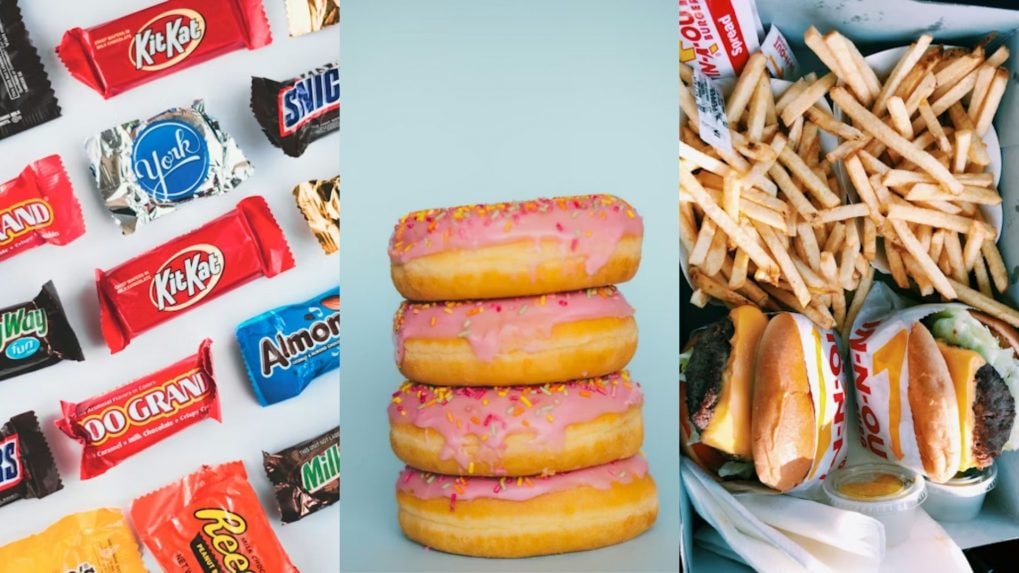
Those on GLP-1 should steer clear of meals and snacks that are deep-fried, laden with sugar or saturated fats, or spicy and acidic, as these can aggravate side effects and hinder weight reduction goals, Snashall warned.
Market Opportunities for Producers
Medications such as Ozempic and Wegovy replicate the body's natural GLP-1 hormone, produced in the small intestine to regulate blood sugar, digestion, and appetite. As of November, approximately 12% of U.S. adults were using GLP-1 drugs for weight loss or managing conditions like diabetes, per a Kaiser Family Foundation investigation.
Large food corporations anticipate a surge in demand for these drugs as injectable options transition to oral pills, a shift that occurred with Wegovy recently. Meals designed for GLP-1 consumers are also drawing in non-users, such as those who have discontinued the drugs but wish to sustain their weight loss.
Nestle aimed at GLP-1 consumers when it introduced its Vital Pursuit frozen meal range in autumn 2024. Initially, the brand did not feature a 'GLP-1 Friendly' tag but incorporated one after purchasers indicated that such a label would assist in spotting items aligned with their dietary preferences, as shared by Jennifer Barnes, vice president of brand marketing for Nestle's frozen meals division.
Sales performance has been strong, prompting the addition of more meals to the collection, Barnes reported. She highlighted that the items appeal widely; around 77% of Vital Pursuit revenues stem from homes without GLP-1 drug users.