
Introduction to a Natural Weight-Loss Option
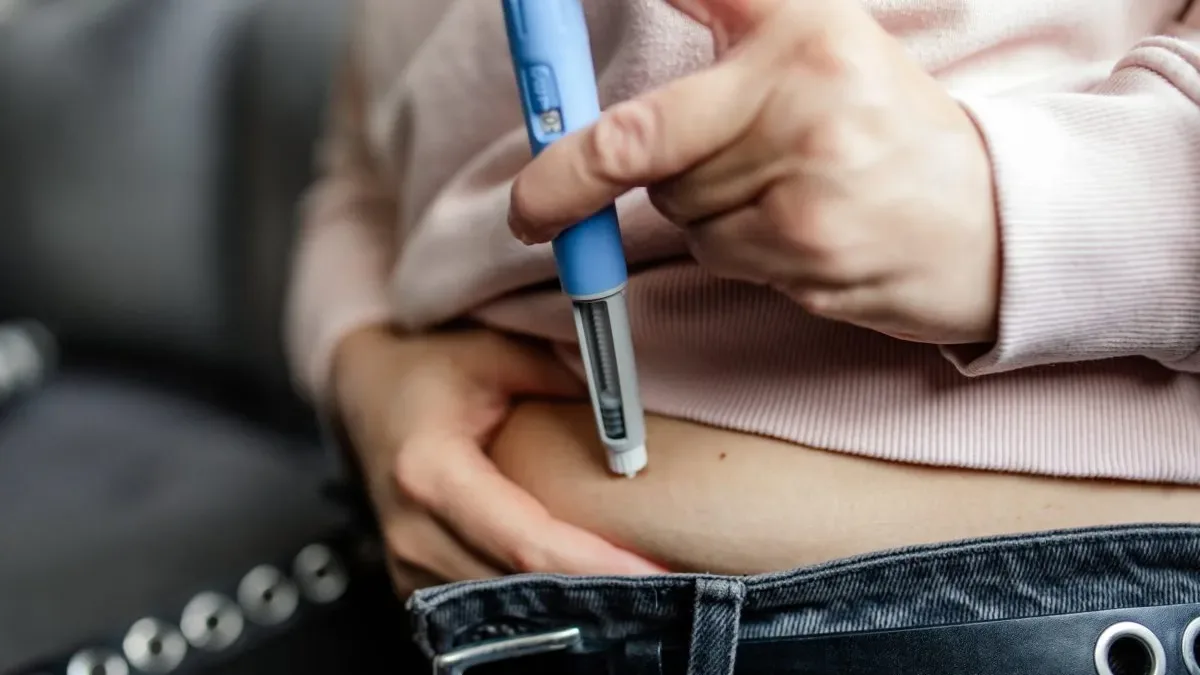
As injections for weight reduction surge in demand, attention shifts toward a possible substitute in the shape of a dietary supplement often referred to as 'natural Ozempic'. This product features plant-derived oils crafted to boost the creation of hormones typically secreted post-meal, including the same one emulated by slimming shots, GLP-1.
Although limited proof exists for the supplement, specialists—including a co-inventor of Ozempic—indicate the research remains too preliminary to confirm its efficacy.
The Mechanism of Prescription Ozempic
The authentic Ozempic represents a prescribed drug named semaglutide, initially crafted for managing type 2 diabetes. It replicates GLP-1, usually emitted by intestinal cells, leading to multiple outcomes: encouraging insulin production for blood sugar control, enhancing satiety, and diminishing eating impulses in the brain's hunger centers.
When diabetics on Ozempic shed pounds, a modified semaglutide variant, Wegovy, emerged as a dedicated slimming solution. Meanwhile, a comparable treatment, Mounjaro, was formulated to imitate both GLP-1 and another intestinal hormone, GIP.
Adoption of Wegovy and Mounjaro has skyrocketed in the UK, though most acquire it through private online providers due to strict NHS limitations. Individuals must prove they exceed a specific weight threshold before private clinics will issue prescriptions.
Exploring a Non-Injection Approach
Yet, there might exist a method to harness gut hormone elevation irrespective of initial body mass, avoiding injections altogether.
These hunger-regulating hormones activate when intestinal L cells sense food entry into the digestive tract.
Supplements dubbed 'natural Ozempic', marketed as Elcella, function by transporting unusually elevated nutrient levels to the lower intestine, or colon.
'This technique prompts the body to secrete its inherent appetite-suppressing hormones,' explained Dr. Madusha Peiris, co-founder of Elcella following studies at Queen Mary University of London.
The capsule contents blend three fatty acids—capric acid, lauric acid, and alpha linoleic acid—sourced from coconut and flaxseed oils.
To ensure oils bypass absorption and reach the lower gut, they reside in digestion-resistant capsules. 'The outer coating ensures transit at least six meters through the digestive system to the colon, where dissolution occurs,' stated Dr. Peiris.
Evaluating the Scientific Evidence
Initial studies indicate this method may activate L cells. For example, fatty acids applied to these cells in vitro increased hormone output, such as GLP-1 and PYY.
Dr. Daniel Drucker, an endocrinologist at the University of Toronto who uncovered GLP-1's effects in the 1980s, noted that teams have pursued L cell stimulation drugs for years, yielding minimal weight reduction.
'They induce slight weight decreases in people, but it's insignificant and lacks commercial appeal,' he remarked.
Precision tracking for your journey
Join thousands using Shotlee to accurately track GLP-1 medications and side effects.
📱 Get the Shotlee App
Track your GLP-1 medications, peptides, and health metrics on the go with our mobile app!
'Advancements in this area are so significant that we possess GLP-1 imitators achieving 10 to 15 percent weight loss, far surpassing L cell stimulation efforts.'
Only a randomized study pitting the capsules against a placebo would persuade him of effectiveness, according to Dr. Drucker.
Elcella reports a 'user trial' involving 34 participants, averaging 6kg loss over 12 weeks. However, the findings await journal publication, and no placebo comparison was conducted, which represents optimal medical validation.
Advancements in Weight-Loss Medications
Recently, the UK Medicines and Healthcare products Regulatory Agency (MHRA) greenlit a triple-strength Wegovy formulation.
Previously, the peak Wegovy dosage stood at 2.4mg weekly injections, yielding roughly 15 percent weight reduction after a year.
The MHRA now endorses 7.2mg, based on trials showing 21 percent weight loss over 72 weeks.
The elevated dose starts as three 2.4mg shots, with Novo Nordisk planning a dedicated 7.2mg pen soon. Pricing details remain undisclosed.
Wegovy's primary competitor, Mounjaro, achieves approximately 22 percent weight loss.
A pill version of Wegovy gained US approval and may debut in the UK this year, matching the 2.4mg injection's potency.
Expert Perspectives on Natural Alternatives
Professor Gary Frost, a nutrition expert at Imperial College London also researching fatty acids for L cell activation, believes it could aid weight upkeep but questions its power for loss.
'I doubt nutrient-based stimulation can match pharmaceutical appetite control,' he stated. 'Reducing intake by 500 calories daily activates numerous hunger signals.'
Novo Nordisk, producers of semaglutide, opted not to comment on these supplements.
Health tracking apps like Shotlee can help monitor progress with such supplements or medications, allowing users to log weight changes and dietary habits for better outcomes.