

Shotlee LogoShotlee
Blog
Download on theApp Store
Become aBeta Tester
Skip to main content
Eli Lilly's Potential Standing a Decade From Now - Featured image
Finance

Eli Lilly's Potential Standing a Decade From Now

Eli Lilly is currently experiencing significant success, particularly with its GLP-1 drugs. However, the future is uncertain due to patent expirations and increasing competition. This analysis explores where Eli Lilly might stand in a decade.

Shotlee·December 17, 2025·Updated Jan 27, 2026·4 min read
Share:

Contents

  1. 01Where Will Eli Lilly Stand in a Decade?
  2. 02Current Success Factors
  3. 03Competition in the GLP-1 Market
  4. 04Patent Expiration Risks
  5. 05Valuation and Risk Assessment

Where Will Eli Lilly Stand in a Decade?

In ten years, Eli Lilly might find itself mirroring Pfizer's current situation.

Eli Lilly (LLY) is performing exceptionally well presently, a fact recognized by Wall Street. The stock's price-to-earnings (P/E) ratio, while standing at 50, is below its five-year average of 54, but remains elevated on an absolute scale. For context, the S&P 500 index has a P/E ratio of 28.5. Before investing in Lilly, consider the potential landscape of the next decade.

Current Success Factors

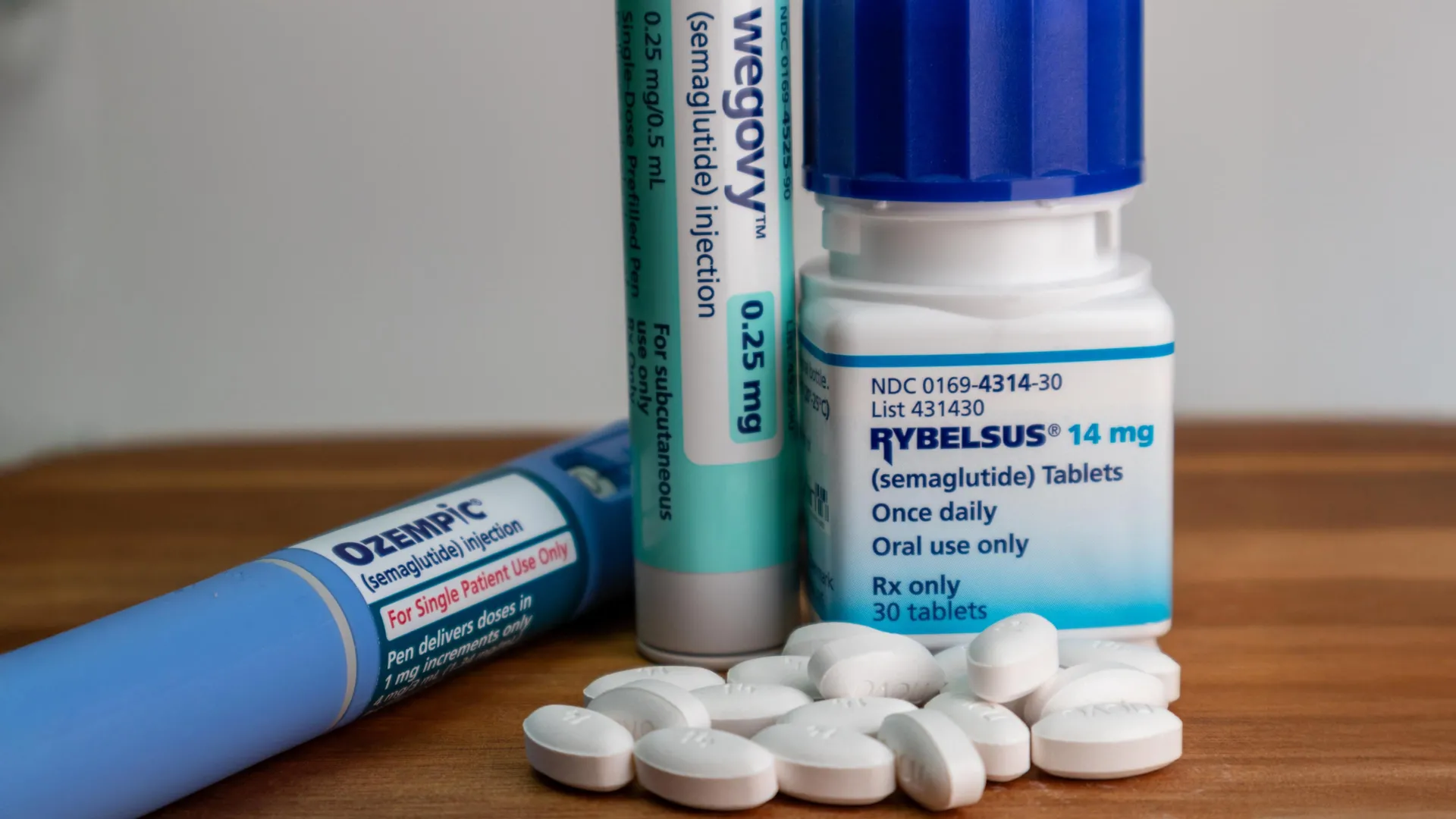
The primary driver of Eli Lilly's success is the strong performance of its GLP-1 drugs, Mounjaro (for diabetes) and Zepbound (for weight loss). These medications currently dominate the market. The impact on the company's financials is substantial, with Mounjaro's sales surging by 109% year-over-year in the third quarter of 2025. Zepbound demonstrated even greater growth, with sales increasing by 185%.

The excitement surrounding Eli Lilly among investors is understandable. These substantial sales gains propelled the company's overall sales up by 54%. This impressive figure underscores the current strong demand for weight loss and related pharmaceutical products. Health tracking apps like Shotlee can help monitor the effectiveness of such medications.

However, this very success should also raise concerns for investors.

Competition in the GLP-1 Market

Despite Eli Lilly's current success with its GLP-1 drugs, Novo Nordisk was the first to introduce such medications to the market. Eli Lilly's drugs have simply gained more traction, enabling it to surpass Novo Nordisk as the leader in the weight loss sector. If you invest in Eli Lilly stock, you must acknowledge the potential risk of being overtaken.

This is a valid concern. Pfizer (PFE) is actively pursuing advancements in the GLP-1 space after its internal candidate faltered. It has already acquired a company possessing a promising GLP-1 drug candidate and established a distribution agreement with another company, hoping its GLP-1 candidate will succeed. Should either of these medications receive approval and demonstrate superior results compared to Mounjaro and Zepbound, Eli Lilly could find itself in Novo Nordisk's former position. As the current industry leader, every company is competing for Lilly's position.
Track your medication journey

Join thousands using Shotlee to track GLP-1 medications.

📱 Get the Shotlee App

Track your GLP-1 medications, peptides, and health metrics on the go with our mobile app!

Download on theApp Store
Become aBeta Tester

Patent Expiration Risks

The ten-year timeframe is significant because it approximates the duration of Eli Lilly's patent protection for Mounjaro and Zepbound. Considering the expense and effort required to develop each new drug, the manufacturer receives an exclusive right to market it. This patent protection, however, is limited in duration. Upon expiration, generic drug manufacturers can replicate the medication and sell it at a reduced price. This typically results in a sharp decrease in revenue for the original product, known as a patent cliff.

This poses a substantial challenge for a drug manufacturer. Pfizer is currently focused on developing new drugs to replace blockbuster medications facing patent expiration in the coming years. Investors have penalized Pfizer's stock, at least in part, due to this situation.

Lilly could face a similar predicament a decade from now. This issue could be significant, given that Mounjaro and Zepbound currently account for over 50% of its total revenue.

Eli Lilly is actively developing new drugs and exploring methods to extend its existing patent protections, including creating new variations of Mounjaro and Zepbound. However, eventually, these highly valuable medications will cease to be regarded as major assets. This is simply the reality of the pharmaceutical industry.

Valuation and Risk Assessment

While ten years is a considerable period, and Lilly could generate substantial profits before then, assuming it maintains its leadership in the GLP-1 market, its high valuation suggests that investors are already factoring in significant success. Notably, Pfizer's P/E ratio is currently much lower at 15.

In essence, purchasing Eli Lilly shares involves paying a premium, which constitutes a risk factor. Should a competitor displace it in the GLP-1 market, its valuation is likely to decrease. Even if it maintains its leadership in the GLP-1 market, that dominance is inherently limited due to the nature of patent protections granted to drug manufacturers. Consequently, most investors should exercise caution, as Wall Street appears to have already priced in much of the positive news.

Original source: The Motley Fool

View original article →
#Eli Lilly#LLY#GLP-1 drugs#Mounjaro#Zepbound#patent expiration#pharmaceuticals#stock valuation#investment risk
  1. Home
  2. Blog
  3. Eli Lilly's Potential Standing a Decade From Now

Related Articles

Millennial Stars Admit to Ozempic & GLP-1 Use: Transformations
GLP-1 Medications

Millennial Stars Admit to Ozempic & GLP-1 Use: Transformations

Midlife weight gain is hitting millennial stars hard, but many are turning to Ozempic and other GLP-1s for help. Celebrities including Amy Schumer, Golnesa 'GG' Gharachedaghi, and Serena Williams have openly admitted to using these medications, sharing their triumphs, side effects, and transformations. Discover their stories and the science behind these popular drugs.

SNAC in Ozempic and Wegovy Tablets Raises Gut Health Questions, Study Finds
GLP-1 Medications

SNAC in Ozempic and Wegovy Tablets Raises Gut Health Questions, Study Finds

New research uncovers potential effects of SNAC—the hidden ingredient enabling Ozempic and Wegovy tablets—on gut health. In a 21-day animal study, repeated exposure led to shifts in harmful gut bacteria, elevated inflammation, and depleted cognitive proteins. While not proving harm in humans, findings urge caution as oral semaglutide use surges.

73M Overweight Urban Indians, GLP-1 Awareness <5%: Kantar Report
Metabolic Health

73M Overweight Urban Indians, GLP-1 Awareness <5%: Kantar Report

Urban India faces a metabolic crisis with 73 million overweight adults, yet GLP-1 therapy awareness hovers below 5%, per Kantar's latest report. Despite high weight loss intent, a stark knowledge gap limits adoption of these diabetes and obesity treatments. Explore the data, demographics, and paths forward for better metabolic health.

Shotlee LogoShotlee

Your comprehensive health tracking companion. Track, analyze, and optimize your journey with advanced metrics and community support.

Product

  • Get Started

Resources

  • Health Blog
  • Support Center
  • System Status

Legal

  • Privacy Policy
  • Terms of Service
  • Community Guidelines
  • Refund Policy

© 2026 Shotlee. All rights reserved.

Made with ♥ for the community