The investment narrative for Eli Lilly, a leader in GLP-1 medications for weight loss and metabolic health, has reversed sharply. Despite stellar quarterly results, Eli Lilly shares are under significant selling pressure due to new competition in the obesity drug sector and political moves targeting drug pricing. This guide breaks down the financials, threats, and what it means for investors and patients relying on drugs like Zepbound.
Strong Q4 2025 Earnings Overshadowed by External Pressures
Eli Lilly's fourth-quarter 2025 results, released on Wednesday, significantly exceeded expectations, highlighting the robust demand for its GLP-1 portfolio. Key highlights include:
- Revenue: $19.29 billion (a 42.6% year-over-year increase)
- Profit: Earnings per share of $7.54 (surpassing estimates)
- 2026 Outlook: Revenue target of up to $81.5 billion
These figures underscore Eli Lilly's operational strength in the high-growth weight-loss drug market. GLP-1 receptor agonists like Zepbound (tirzepatide) mimic hormones that regulate blood sugar, appetite, and metabolism, driving substantial weight loss—often 15-20% of body weight in clinical trials. This mechanism not only aids obesity but also supports cardiovascular health, making these drugs pivotal for metabolic health management.
However, these positives are currently eclipsed by market shifts. Eli Lilly shares, trading near $1,020 after relinquishing post-earnings gains, reflect investor fears over eroding margins in the GLP-1 space.
Government Pricing Initiatives: The TrumpRx Portal Impact
A major catalyst for the pressure is heightened regulatory scrutiny on drug pricing. The White House launched the "TrumpRx" prescription portal on Friday, listing about 40 medications—including Eli Lilly's Zepbound—at deeply discounted prices for cash-paying patients. While this could boost accessibility and volume for GLP-1 therapies, it signals a broader push toward lower net prices, squeezing pharmaceutical profitability.
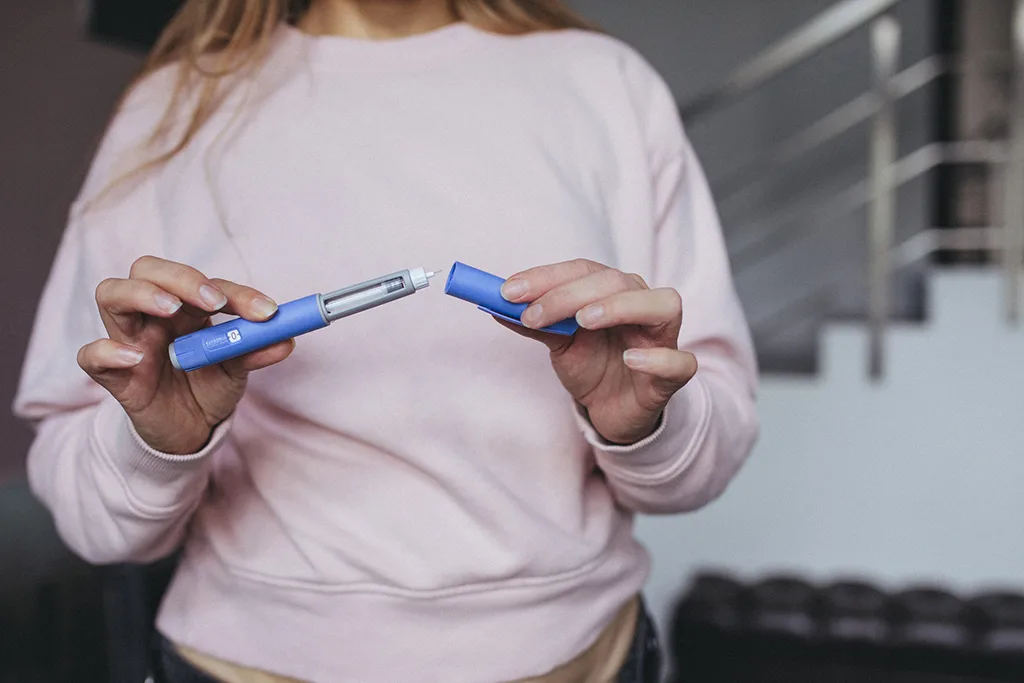
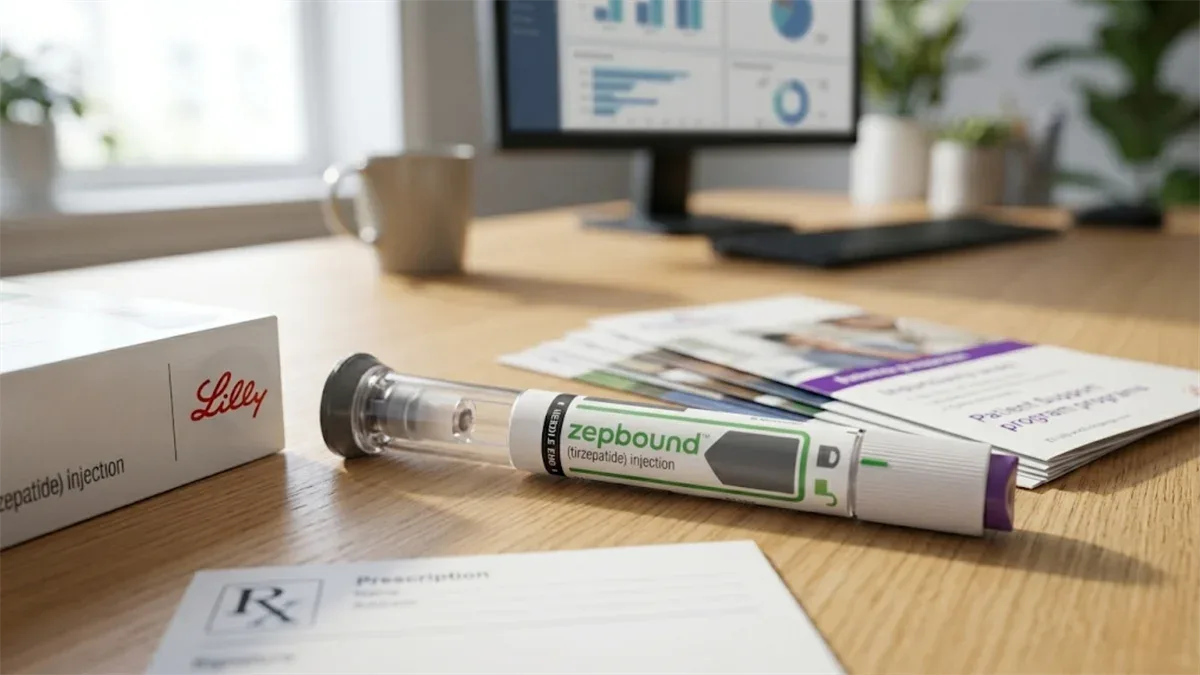
For patients, this means potential relief on out-of-pocket costs for Zepbound, which treats obesity and type 2 diabetes by dual activation of GLP-1 and GIP receptors. Introductory doses often retail around $299, but TrumpRx discounts could make it more attainable. Patients considering Zepbound should discuss eligibility with their doctor, weighing benefits like sustained weight loss against common side effects such as nausea or gastrointestinal issues.
Broader Implications for GLP-1 Accessibility
GLP-1 drugs have transformed metabolic health, with studies showing reduced risks for heart disease and diabetes complications. Price transparency tools like TrumpRx could expand access, particularly for uninsured patients, but long-term effects on innovation remain debated. Compared to alternatives like statins or older diabetes meds, GLP-1s offer superior weight management but at higher costs—now under threat.
Competitive Threat: Hims & Hers Compounded Semaglutide Pill
Compounding the pricing woes is aggressive competition from telemedicine player Hims & Hers Health. On Thursday, they launched a compounded semaglutide pill—an oral GLP-1 alternative—at an introductory $49 for the first month, rising to $99 standard pricing. This sharply undercuts branded injectables like Eli Lilly's Zepbound at ~$299 introductory.
Precision tracking for your journey
Join thousands using Shotlee to accurately track GLP-1 medications and side effects.
📱 Get the Shotlee App
Track your GLP-1 medications, peptides, and health metrics on the go with our mobile app!
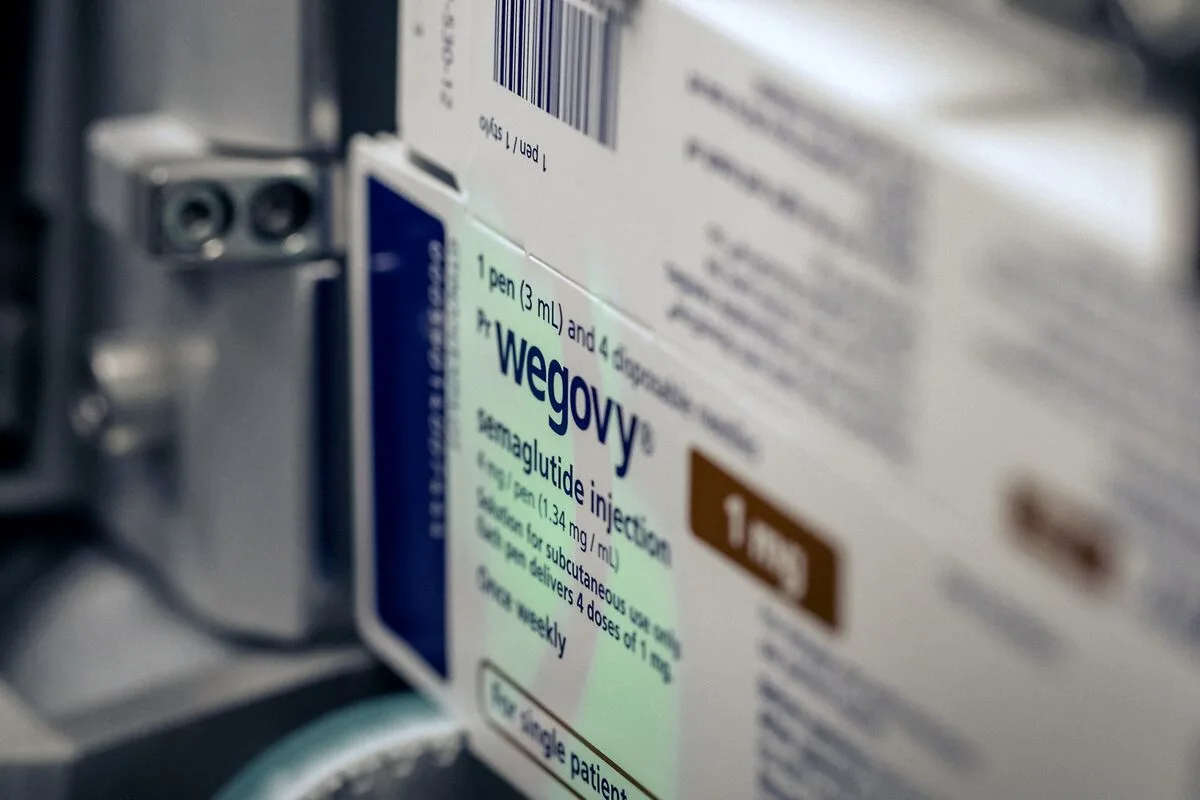
Compounded semaglutide exploits current supply shortages and patent gaps, offering a lower-cost entry into GLP-1 therapy. Semaglutide, the active ingredient in Novo Nordisk's Ozempic and Wegovy, works by slowing gastric emptying and signaling satiety to the brain. While effective, compounded versions lack full FDA approval, carrying risks like inconsistent dosing or contamination—patients should consult physicians and consider tools like Shotlee for symptom tracking during trials.
How Compounded GLP-1s Compare to Branded Options
| Product | Pricing | Form | Key Notes |
|---|---|---|---|
| Zepbound (Eli Lilly) | ~$299 intro | Injectable | Patented, dual GLP-1/GIP |
| Hims & Hers Semaglutide | $49 intro / $99 std | Oral pill | Compounded, GLP-1 only |
This pricing disparity threatens the duopoly of Eli Lilly and Novo Nordisk, potentially forcing branded prices down. For patients, cheaper options improve access but require vigilance on quality and side effects like pancreatitis risk or thyroid concerns.
Pipeline Setbacks Add to Investor Uncertainty
Beyond external threats, Eli Lilly discontinued three pipeline projects, including a gene therapy for dementia. This news has unsettled investors, diverting focus from core GLP-1 growth. Safety profiles remain key: GLP-1s generally show good tolerability, but monitoring for rare issues like gastroparesis is advised.
Looking Ahead: Orforglipron as a Potential Catalyst
Analysts anticipate a turnaround in the second half of 2026, centered on the FDA's decision for Eli Lilly's oral weight-loss drug, Orforglipron, expected mid-year. This patented once-daily pill could counter low-cost competitors with superior efficacy and convenience, building on tirzepatide's success.
Orforglipron targets nonpeptide GLP-1 agonism, potentially offering fewer GI side effects. Patients interested in oral GLP-1s should track updates and discuss with endocrinologists, especially if injectables like Zepbound aren't suitable.
Investor Dilemma: Buy, Sell, or Hold Eli Lilly Shares?
Should investors sell immediately amid Eli Lilly shares pressure, or buy the dip? Strong volume growth from obesity demand clashes with price erosion risks. The duopoly's enthusiasm is dampened, but $81.5B 2026 guidance suggests resilience. Diversify with metabolic health exposure via ETFs, while monitoring FDA catalysts.
Key Takeaways for Patients and Investors
- Eli Lilly's Q4 revenue surged 42.6% to $19.29B, EPS $7.54 beat estimates.
- TrumpRx discounts Zepbound; Hims & Hers $49 semaglutide pill disrupts pricing.
- Pipeline cuts include dementia gene therapy; Orforglipron FDA nod eyed for 2026.
- GLP-1s drive metabolic health gains—discuss access, safety with doctors.
- Stock at ~$1,020: Balance growth vs. competition risks.
What This Means for Metabolic Health Patients
Market shifts could lower barriers to GLP-1 therapy, benefiting those with obesity or prediabetes. Prioritize FDA-approved options, track adherence with apps like Shotlee, and pair with lifestyle changes for optimal results. Always consult healthcare providers for personalized guidance on dosing, monitoring, and alternatives.
In conclusion, Eli Lilly's story reflects GLP-1 market maturation: explosive growth meets pricing realities. Investors should weigh operational strength against threats, while patients gain from potential affordability boosts. Stay informed on Orforglipron and regulatory changes for the full picture.