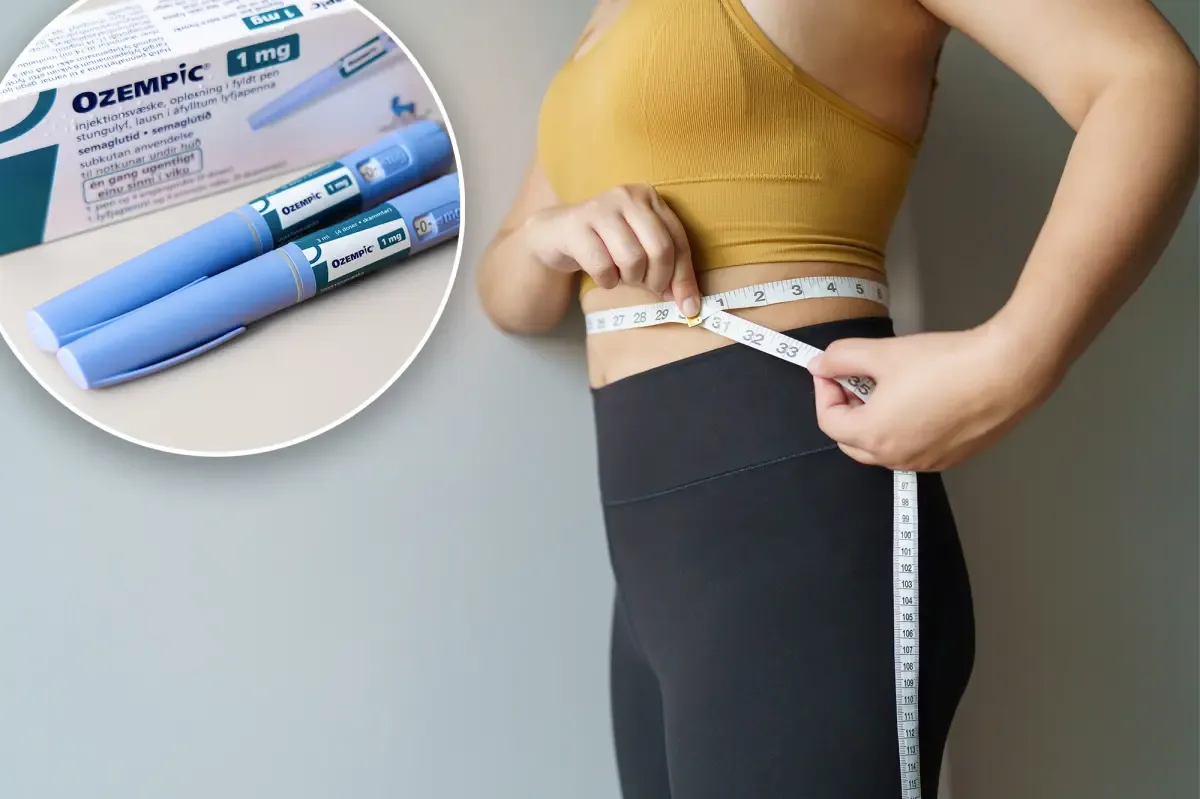

Each year, Mary Bucklew collaborated with a nurse practitioner to devise plans for shedding pounds. She recounted trying activities like walking for 35 minutes daily and experimenting with various diets.
Yet, despite losing 5 pounds repeatedly, the weight always returned, noted Bucklew, a 75-year-old retired public transit worker from Ocean View, Delaware. Little progress occurred until 2023, when her body mass index surpassed 40, indicating severe obesity.
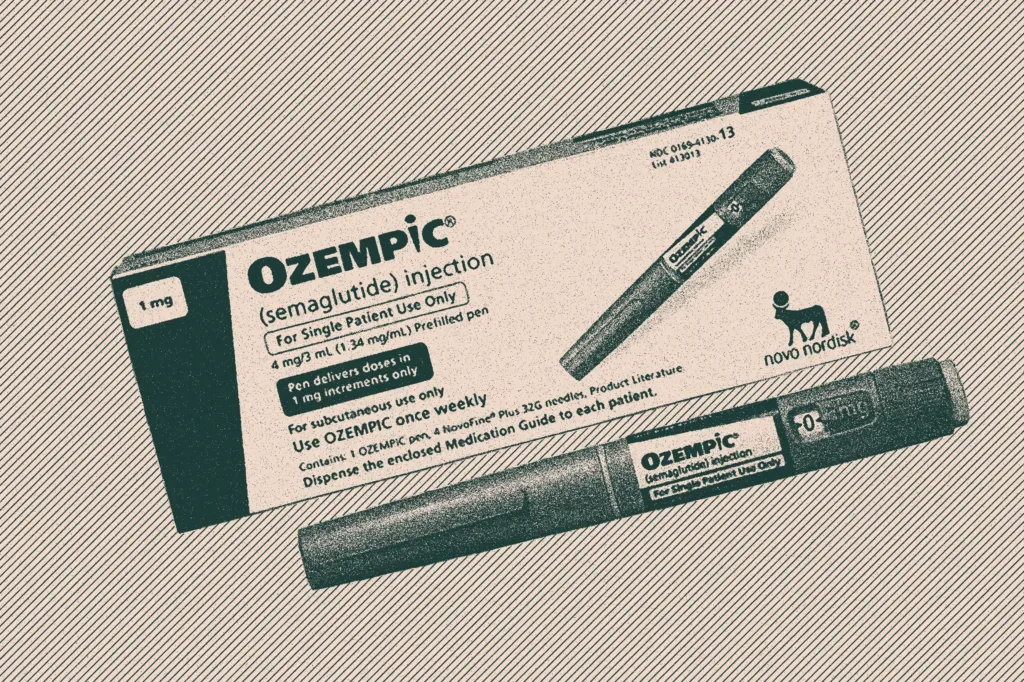
Her nurse practitioner suggested a new medication, contingent on insurance approval. It referred to Ozempic.
Although Medicare supports it for Type 2 diabetes, not weight management, and the cost exceeds $1,000 monthly without coverage, Bucklew's Medicare Advantage plan unexpectedly included it for non-diabetics, with a mere $25 copay.
Suddenly, foods like pizza, pasta, and red wine lost their appeal. The medication altered her cravings, she explained. Over six months, she shed 25 pounds, experienced reduced fatigue, and increased her walking and biking.
However, her plan soon informed her of dropping coverage. Despite appeals from her medical team emphasizing its necessity, changes didn't happen.
Without support, Bucklew joined a concerning group: elderly individuals who start GLP-1s and similar treatments for diabetes, obesity, and related conditions but halt them quickly.
This often leads to weight regain and forfeited benefits like improved blood pressure, cholesterol, and A1c levels.
Transformative Drugs with Broad Applications
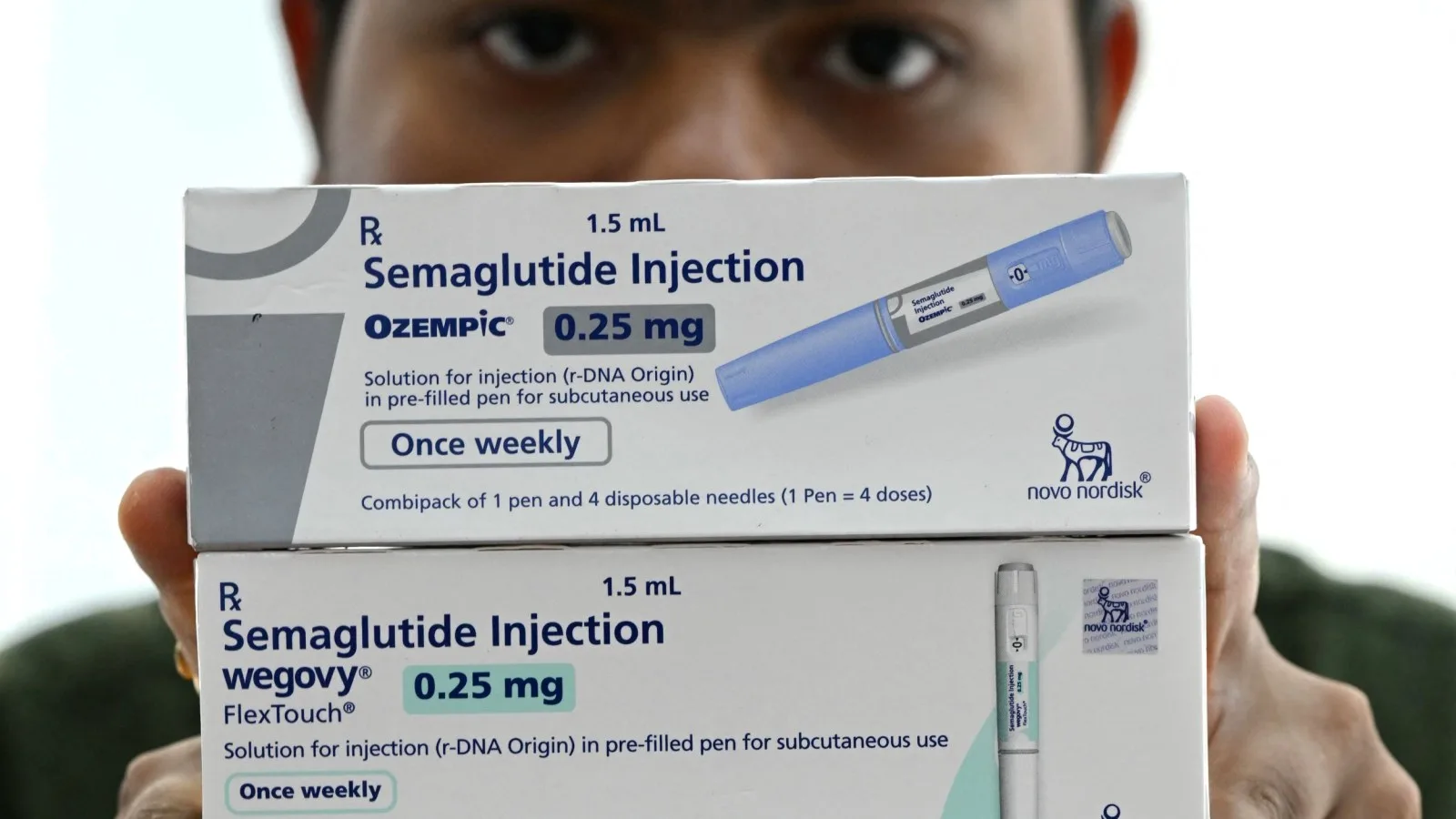
Regarded as revolutionary, semaglutide-based drugs (Ozempic, Wegovy, Rybelsus) and tirzepatide (Zepbound, Mounjaro) have revolutionized diabetes and obesity management.
The FDA has endorsed multiple GLP-1s for extra purposes, such as kidney disease treatment, sleep apnea management, and preventing heart attacks and strokes.
Timothy Anderson, a health services researcher at the University of Pittsburgh and writer of a recent JAMA Internal Medicine editorial on anti-obesity meds, stated they undergo trials for numerous conditions.
However, studies show no effect on dementia.
Adults aged 65 and up are ideal candidates for these treatments. Obesity affects roughly 40% of seniors based on body mass index, according to John Batsis, a geriatrician and obesity expert at the University of North Carolina School of Medicine.
Type 2 diabetes prevalence also increases with age, reaching almost 30% for those 65 and older. A recent JAMA Cardiology study revealed that around 60% of Americans 65 and above with diabetes ceased semaglutide use within a year.
In another analysis of 125,474 individuals with obesity or excess weight, nearly 47% of diabetics and about 65% of non-diabetics stopped GLP-1s in the same timeframe, noted Ezekiel Emanuel, a health services researcher at the University of Pennsylvania and lead author.
Patients 65 and older were 20% to 30% more prone to halting use and less likely to resume compared to younger groups.
Factors Behind Discontinuation
What causes this trend? Up to 20% of users encounter digestive issues. Common complaints include nausea, vomiting, bloating, and diarrhea, as Anderson listed.
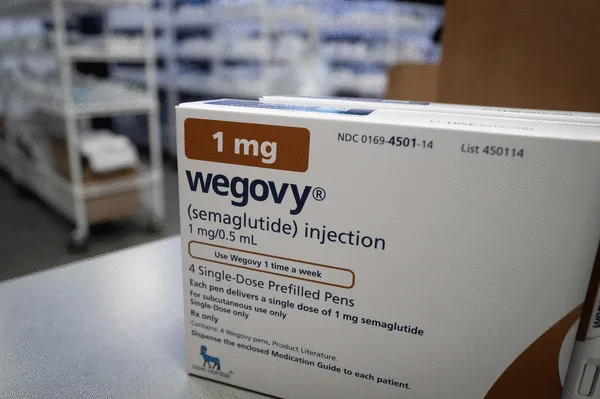
Linda Burghardt, a researcher in Great Neck, New York, began Wegovy hoping to alleviate arthritis pain in her knees and hips. It served as a trial, said Burghardt, 79, who had limited mobility and abandoned pickleball.
After a month, prolonged stomach discomfort led to tears on the bathroom floor. She halted the treatment.
Precision tracking for your journey
Join thousands using Shotlee to accurately track GLP-1 medications and side effects.
📱 Get the Shotlee App
Track your GLP-1 medications, peptides, and health metrics on the go with our mobile app!
Some discover that drug-induced weight reduction diminishes fitness due to muscle depletion. Studies indicate 35% to 45% of GLP-1 weight loss consists of lean mass, not fat.
Bill Colbert, who has reenacted medieval battles for 50 years by donning 90 pounds of armor and wielding swords, initiated Mounjaro. The retired computer systems analyst from Churchill, Pennsylvania, controlled his blood glucose and dropped 18 pounds in two months.
Yet, he observed muscles weakening noticeably. At 78, feeling unable to perform well, he stopped and switched to alternative diabetes drugs.
Aging naturally causes muscle loss, about 0.5% to 1% annually, explained Zhenqi Liu, an endocrinologist at the University of Virginia researching weight loss drugs. On these meds, the decline accelerates.
Muscle reduction can result in weakness, falls, and bone breaks, prompting doctors to recommend exercise, strength training, and adequate protein intake.
High discontinuation rates may also stem from shortages; from 2022 to 2024, these drugs were scarce. Patients might not realize lifelong use is needed, even after goals are achieved.
Resuming treatment carries risks, Batsis warned. Fluctuating weight can cause metabolic decline later.
Cost plays a major role, Emanuel added. These pricey meds often lack full insurance support. A Cleveland Clinic study of semaglutide and tirzepatide discontinuations found nearly half cited expenses or coverage problems.
Some price relief exists. The Biden administration limited out-of-pocket costs for Medicare prescriptions to $2,100 in 2026, enabling negotiations.
This affects Ozempic, Wegovy, and Rybelsus from 2027, with Part D plans covering $274, and beneficiaries paying about $68.50 monthly at 25% coinsurance.
Potential further reductions may come from November deals between the Trump administration, Eli Lilly, and Novo Nordisk.
The main issue is Medicare's 2003 rules barring Part D for weight loss drugs. Stacie Dusetzina, a health policy researcher at Vanderbilt University School of Medicine, calls it outdated.
The Trump administration's November proposal could extend GLP-1 coverage for obesity, possibly by spring, though details are pending, Dusetzina noted.
Many physicians argue Medicare should include anti-obesity treatments. Society views diabetes as a medical condition but obesity as personal failure, Emanuel remarked. Incorrect; obesity is a disease shortening lives and harming health.
However, expanded coverage could raise premiums due to costs, Dusetzina cautioned.
For seniors, underrepresented in trials, unanswered questions persist. Might reduced doses maintain weight? Can intervals be extended? Could nutrition and therapy prevent muscle loss?
Bucklew, after losing coverage, wishes to restart Ozempic. With a new sleep apnea diagnosis, she qualifies for Zepbound at $50 monthly.
No weight change after three months, but with increasing doses, she plans to continue. Health tracking apps like Shotlee can help monitor progress during such treatments.