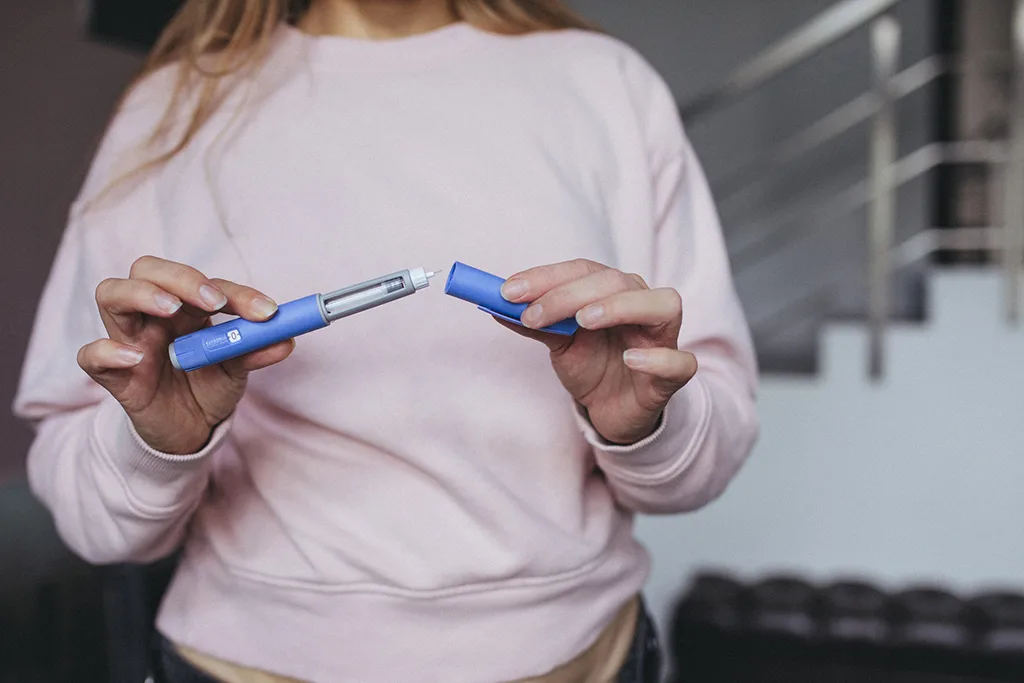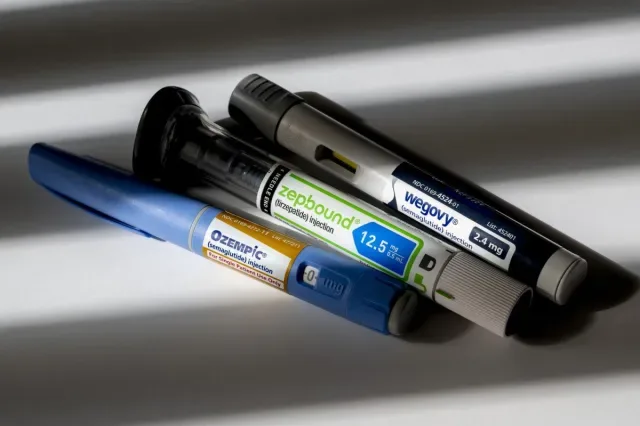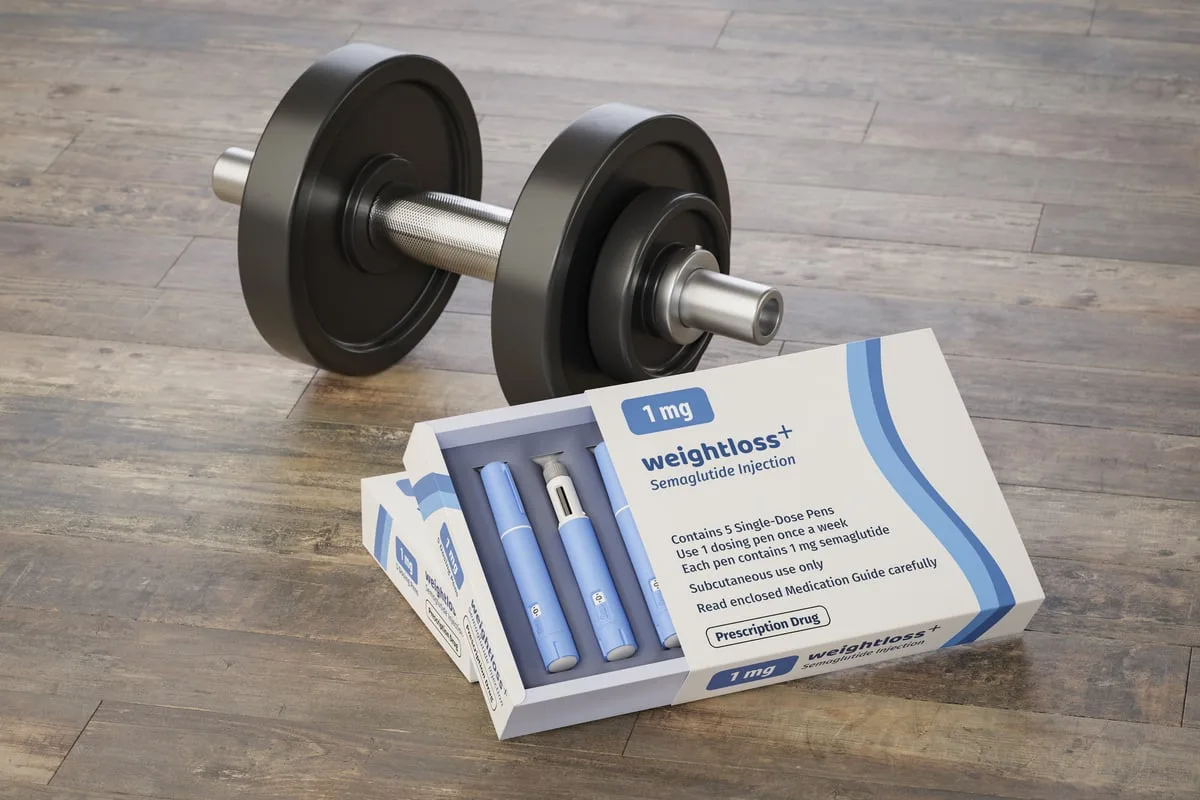

For the millions of people who have successfully lost weight using glucagon-like peptide-1 (GLP-1) receptor agonists like semaglutide (Ozempic, Wegovy) or tirzepatide (Mounjaro, Zepbound), a daunting reality often awaits after stopping the medication: weight regain. Approximately 70% of individuals regain much of the lost weight, often within 18 months of discontinuation. This challenge has become increasingly significant as nearly one in five adults with obesity has used a GLP-1 medication. However, groundbreaking research presented at Digestive Disease Week® (DDW) 2026 introduces a potential solution—a minimally invasive outpatient procedure called duodenal mucosal resurfacing that may offer a lasting way to maintain hard-won weight loss without ongoing medication.
The Unmet Need: Maintaining Weight Loss After GLP-1 Therapy
The efficacy of GLP-1 medications for weight loss is well-established, but their long-term use presents hurdles. Cost, side effects, and patient preference against lifelong pharmacotherapy lead many to discontinue treatment. Unfortunately, when the medication stops, the body's metabolic regulation often reverts, leading to weight regain and the loss of metabolic benefits like improved blood sugar control.
"As effective as GLP-1 medications are, many people stop taking them because of cost, side effects or simply not wanting to take a drug long-term," said lead author Dr. Shelby Sullivan, director of the Endoscopic Bariatric and Metabolic Program at Dartmouth Health Weight Center. "But, if they stop these medications, weight regain occurs in the vast majority of patients, and the metabolic benefits are lost. Finding a treatment that allows patients to stop these medications without weight regain or loss of metabolic benefit is a huge unmet need."
This is where the concept of a metabolic "reset" comes in. The new research suggests that duodenal mucosal resurfacing may provide that reset, helping patients hold onto the benefits achieved during drug therapy.
What Is Duodenal Mucosal Resurfacing? A "Gut Reset" Explained
Duodenal mucosal resurfacing (DMR) is an investigational endoscopic procedure. It targets the duodenum—the first section of the small intestine immediately following the stomach. This area is crucial for nutrient sensing and hormone secretion, including GLP-1 and other incretin hormones that regulate appetite, insulin secretion, and blood sugar.
How the Procedure Works
During the outpatient procedure, which is performed under general anesthesia, a specialized endoscope is advanced to the duodenum. The device then delivers controlled thermal energy (heat) to ablate (remove) the damaged superficial mucosal layer of the intestinal lining. This process encourages the body to regenerate a new, healthier layer of mucosal tissue.
The theory is that diets high in fat and sugar can cause dysfunction and inflammation in this duodenal lining over time, contributing to insulin resistance and impaired hormone signaling—key drivers of obesity and metabolic disease. By renewing this tissue, DMR aims to restore healthier metabolic signaling, effectively "resetting" how the gut communicates with the brain and pancreas about nutrient intake and storage.
REMAIN-1 Trial: First Blinded, Randomized Evidence
The promising data comes from the ongoing REMAIN-1 multicenter, randomized, double-blind, sham-controlled clinical trial. This is the first study of its kind to provide blinded, controlled evidence for this approach. The findings presented are from an early midpoint cohort with six months of follow-up data.
Study Design and Participant Profile
The cohort included 45 participants who had previously achieved significant weight loss—at least 15% of their body weight—using tirzepatide before discontinuing the drug. On average, participants lost about 40 pounds during GLP-1 therapy. They were then randomized:
- 29 participants received the active duodenal mucosal resurfacing treatment.
- 16 participants underwent a sham (placebo) procedure.
Key Findings on Weight Regain
Six months after stopping tirzepatide, a clear difference emerged between the two groups:
Precision tracking for your journey
Join thousands using Shotlee to accurately track GLP-1 medications and side effects.
📱 Get the Shotlee App
Track your GLP-1 medications, peptides, and health metrics on the go with our mobile app!
- Control (Sham) Group: Regained significantly more weight. On average, they regained roughly twice as much weight as the treatment group.
- Treatment (DMR) Group: Experienced less weight regain. Notably, participants who received more extensive resurfacing regained only about 7 pounds on average and maintained over 80% of their original weight loss.
Overall, the sham procedure group regained about 40% more weight than the active treatment group. Importantly, the gap in weight regain between the groups continued to widen from one to six months post-procedure, suggesting the metabolic benefits of DMR may persist and even strengthen over time.
"What's particularly encouraging is that the benefit appears to increase over time rather than fade, and that it behaves like a drug in terms of dose response," Dr. Sullivan explained. "That gives us confidence that we're targeting the right biology."
Safety, Recovery, and Patient Experience
A significant advantage of DMR is its minimally invasive profile. In this study, no serious complications were reported from the device or procedure. Recovery is notably swift.
- Most patients return to normal activities within about a day.
- The recovery primarily involves the effects of general anesthesia, not significant post-procedure pain or symptoms.
- The study was successfully double-blinded because participants could not tell whether they received the real or sham procedure due to the lack of distinctive post-procedural symptoms.
The Biological Rationale: Why Target the Duodenum?
The duodenum is a metabolic control center. It houses specialized cells (enteroendocrine cells) that secrete hormones like GLP-1, glucose-dependent insulinotropic polypeptide (GIP), and others in response to food. These hormones regulate:
- Appetite and satiety signals to the brain
- Insulin secretion from the pancreas
- Gastric emptying rates
In metabolic dysfunction, this signaling becomes impaired. DMR, by renewing the mucosal layer, may restore more appropriate hormone secretion and nutrient sensing, creating a durable metabolic environment conducive to weight maintenance—even after the external stimulus of a GLP-1 medication is removed.
What This Means for Patients on GLP-1 Medications
For individuals currently on or considering GLP-1 therapy, these findings introduce a potential future pathway. It suggests that drug therapy and procedural intervention could be sequenced: using medication to achieve significant weight loss and improve metabolic health, followed by a one-time procedure to help maintain those gains long-term.
Important Considerations:
- DMR is still investigational. It is not yet approved by regulatory bodies like the FDA for clinical use.
- The procedure is intended as a maintenance therapy, not a primary weight-loss treatment. Significant weight loss must first be achieved (e.g., with medication).
- Patients should continue to focus on sustainable lifestyle habits—nutrition, physical activity, and sleep—as the cornerstone of long-term health, whether using medications, procedures, or both.
Future Outlook and Next Steps
The larger REMAIN-1 trial is fully enrolled and randomized with over 300 participants. Researchers expect topline six-month data from the pivotal cohort in early Q4 of 2026, followed by a planned marketing submission to regulatory authorities later that year.
If subsequent data confirms these initial results, duodenal mucosal resurfacing could become a valuable tool in the obesity treatment arsenal, addressing one of the most persistent challenges in the field. It represents a shift towards thinking about obesity as a chronic condition requiring both effective induction therapy (like GLP-1 drugs) and effective maintenance strategies.
Conclusion: A Promising Step Toward Durable Metabolic Health
The early results from the REMAIN-1 trial offer hope for a solution to the pervasive problem of weight regain after stopping GLP-1 medications. By targeting the intestinal biology underlying metabolic regulation, duodenal mucosal resurfacing aims to provide a durable "reset" that helps the body stabilize at a lower weight. While more data is awaited, this research marks a significant step toward combination treatment strategies that could offer patients lasting freedom from obesity and its related health complications. For anyone managing their weight loss journey, tools like Shotlee can be helpful for tracking symptoms, medication schedules, and lifestyle factors while working closely with their healthcare provider to navigate evolving treatment options.