
Doctor Issues Warning About Overlooked Mounjaro Side Effect
A doctor has cautioned that weight loss injections are contributing to a surge in individuals seeking treatment for haemorrhoids.
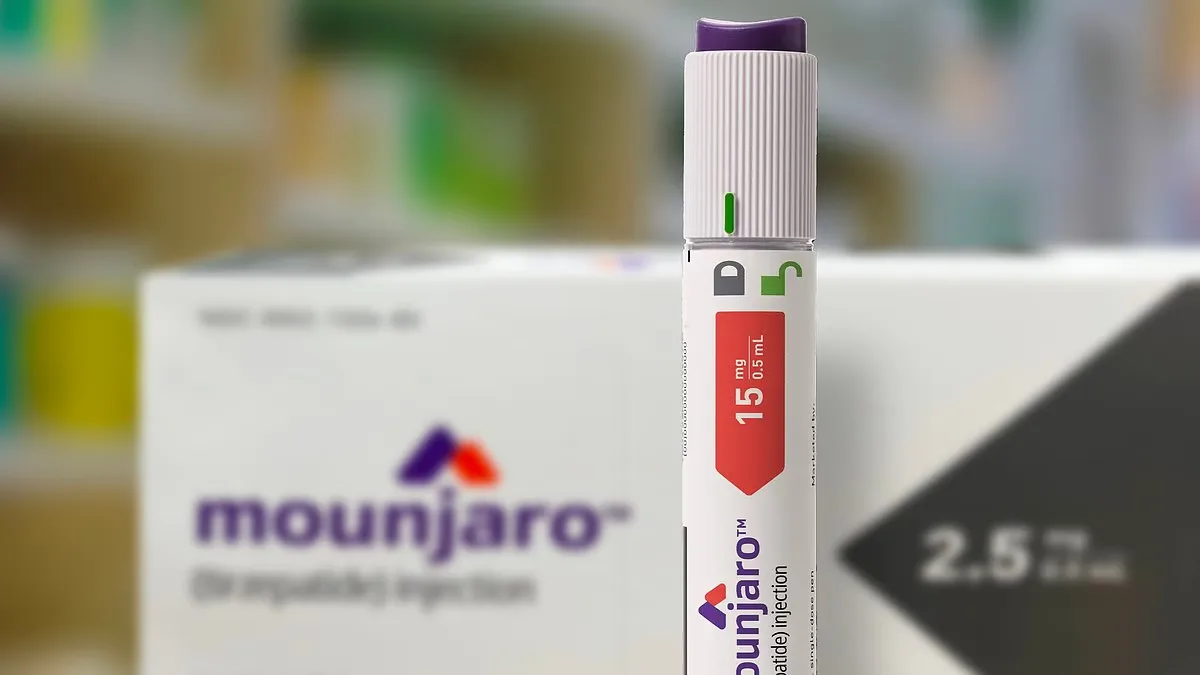
Medications such as Mounjaro and Ozempic, initially intended for diabetes management, have gained popularity for their ability to induce rapid weight loss by suppressing appetite.
However, these injections often come with adverse effects, ranging from nausea and constipation to, in severe instances, potentially life-threatening organ damage.
Increased Haemorrhoid Cases Linked to Weight Loss Drugs
Dr. Ross Perry, the medical director of Cosmedics Skin Clinics in London and Bristol, has observed a growing number of patients on GLP-1 agonists (the class of drugs Mounjaro and Ozempic belong to) reporting 'significant bowel changes,' including haemorrhoids.
Dr. Perry also noted that many patients have increased their exercise and weight training, per NHS guidance to prevent muscle loss, which may also exacerbate haemorrhoids due to increased straining.
Understanding Haemorrhoids
Haemorrhoids, also known as piles, are characterized by small lumps containing enlarged blood vessels located inside or around the anus.
Straining during bowel movements puts pressure on the veins in the lower rectum, leading them to bulge and form haemorrhoids.
Previously, doctors have cautioned that constipation, a known side effect of these injections, can result in complications such as painful anal fissures and piles.
It has also been noted that bowel cancer can present similar symptoms, complicating early diagnosis.
The Doctor's Observations
Dr. Perry, a former NHS GP, stated that there has been a 41 percent increase in patients with haemorrhoids in the last six months alone. Many of these patients, both men and women, report using drugs like Mounjaro and Ozempic and experiencing significant bowel changes contributing to the problem.
Weight loss drugs are generally well-received; however, increased dosages can lead to piles. Also, many patients are going to the gym to combat muscle loss from the weight loss, but weight training may involve straining, which can worsen haemorrhoids.
He explained that GLP-1 medications can delay gastric emptying and slow the movement of food through the digestive tract, resulting in drier and harder stools. This, in turn, causes piles, small tears, and anal skin tags due to increased straining during bowel movements. Health tracking apps like Shotlee can help monitor changes in bowel habits and related symptoms.
Online forum users have also reported experiencing haemorrhoids while on these medications, even without a history of constipation.
Precision tracking for your journey
Join thousands using Shotlee to accurately track GLP-1 medications and side effects.
📱 Get the Shotlee App
Track your GLP-1 medications, peptides, and health metrics on the go with our mobile app!
Patient Experiences
One 59-year-old woman reported developing haemorrhoids after losing 40lbs on Ozempic, dropping from 185lbs to 145lbs in six months. According to her gastroenterologist, the haemorrhoids were directly caused by chronic constipation from Ozempic.
Another user, who had rarely experienced haemorrhoids lasting more than a day, found that Mounjaro changed that, reporting unbearable haemorrhoid pain that made walking difficult.
A third user, who started Ozempic four weeks prior, mentioned continuing to suffer from haemorrhoids despite eating prunes and drinking plenty of water and now fears going to the bathroom.
Management and Treatment
According to The Mayo Clinic, almost three out of four adults will experience haemorrhoids at some point.
Small haemorrhoids often resolve on their own with increased fiber and water intake. Medical professionals often recommend over-the-counter creams containing ingredients like zinc oxide to protect against irritation from stools.
Painkillers, cold packs, and constipation treatments can also provide relief.
Larger haemorrhoids may protrude through the anus, sometimes shrinking back on their own. However, chronic piles may require removal.
Non-surgical options include banding, where a tight elastic band cuts off the haemorrhoid's blood supply, causing it to wither and fall off within approximately a week. Other non-surgical alternatives include infrared light, gentle electric currents, and chemical solution injections.
Important Considerations
Hundreds of thousands of patients in the UK use these medications safely. Doctors maintain that weight loss injections can be 'game changers' in addressing Britain's obesity problem, which costs the economy an estimated £100 billion annually.
However, health officials emphasize that no medication is without risk. The NHS advises patients against taking anti-obesity medications not prescribed to them.
The MHRA also notes that the benefits and risks of using these medicines for weight loss in individuals without obesity or related illnesses have not been thoroughly studied. Experts have advocated for stricter regulations on prescribing weight loss drugs.
There are also concerns about the increasing use of illegal knock-off versions of these medications, often advertised on social media.