
Do Ozempic-Style Weight Loss Patches Work? Experts Explain
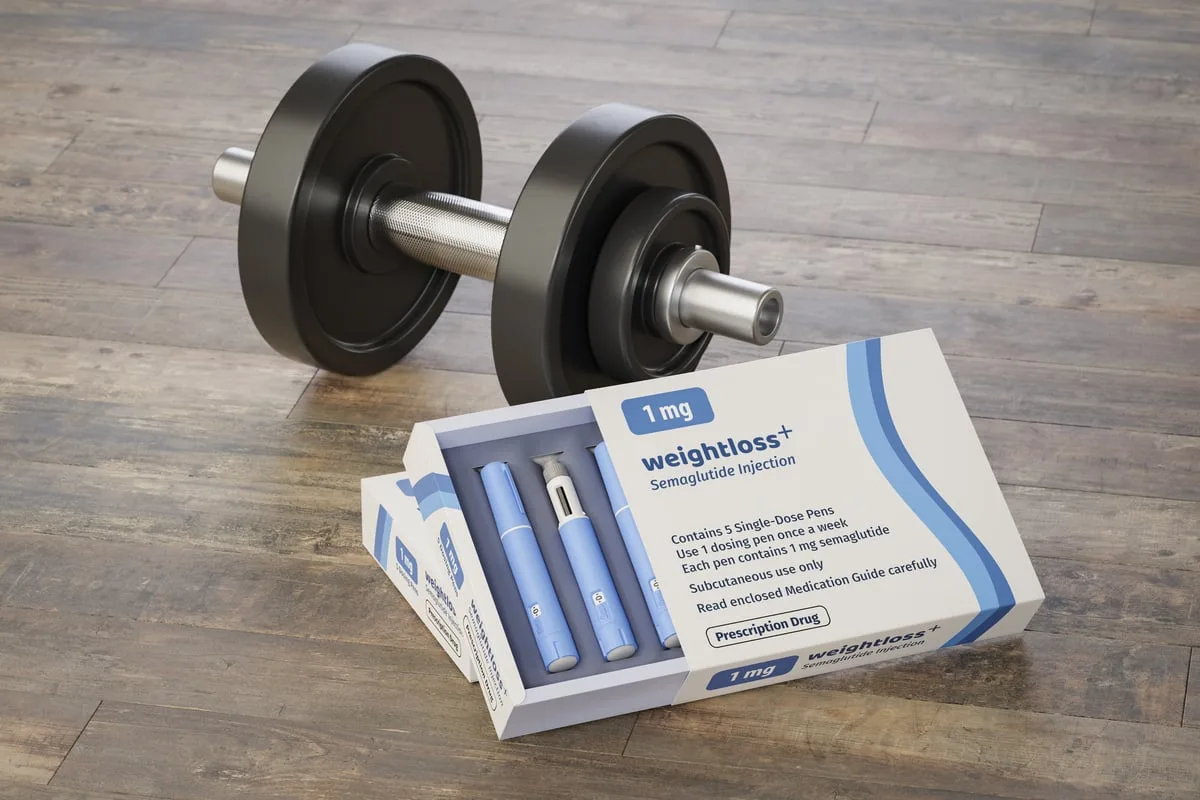
In the world of weight management, Ozempic-style weight loss patches have surged in popularity, marketed as a painless alternative to injectable GLP-1 medications like Ozempic (semaglutide). These patches promise dramatic weight loss without needles, effort, or side effects, often promoted via social media endorsements—even from supposed "doctors." But as two experts in metabolic health and pharmacology explain, the evidence tells a different story. Before investing in these GLP-1 patches, understand their limitations, ingredients, and why they likely won't deliver results.
What Are Ozempic-Style Weight Loss Patches?
Ozempic-style patches, also called GLP-1 patches, aim to mimic the weight loss effects of blockbuster drugs like Ozempic or Mounjaro (tirzepatide). However, they contain no pharmaceutical ingredients from these medications—no semaglutide or tirzepatide. Instead, they rely on a blend of herbal extracts: berberine, green tea (Camellia sinensis), Garcinia cambogia, and bitter orange (Citrus aurantium L.).
The appeal is clear: a simple adhesive patch applied to the skin, supposedly delivering appetite suppression, blood sugar control, and fat metabolism benefits effortlessly. Online promotions flood platforms like TikTok and Instagram, with personal testimonials and AI-generated "doctor" endorsements. Independent fact-checkers have debunked many as fake, urging caution before purchase.
Why the Hype Around Patches?
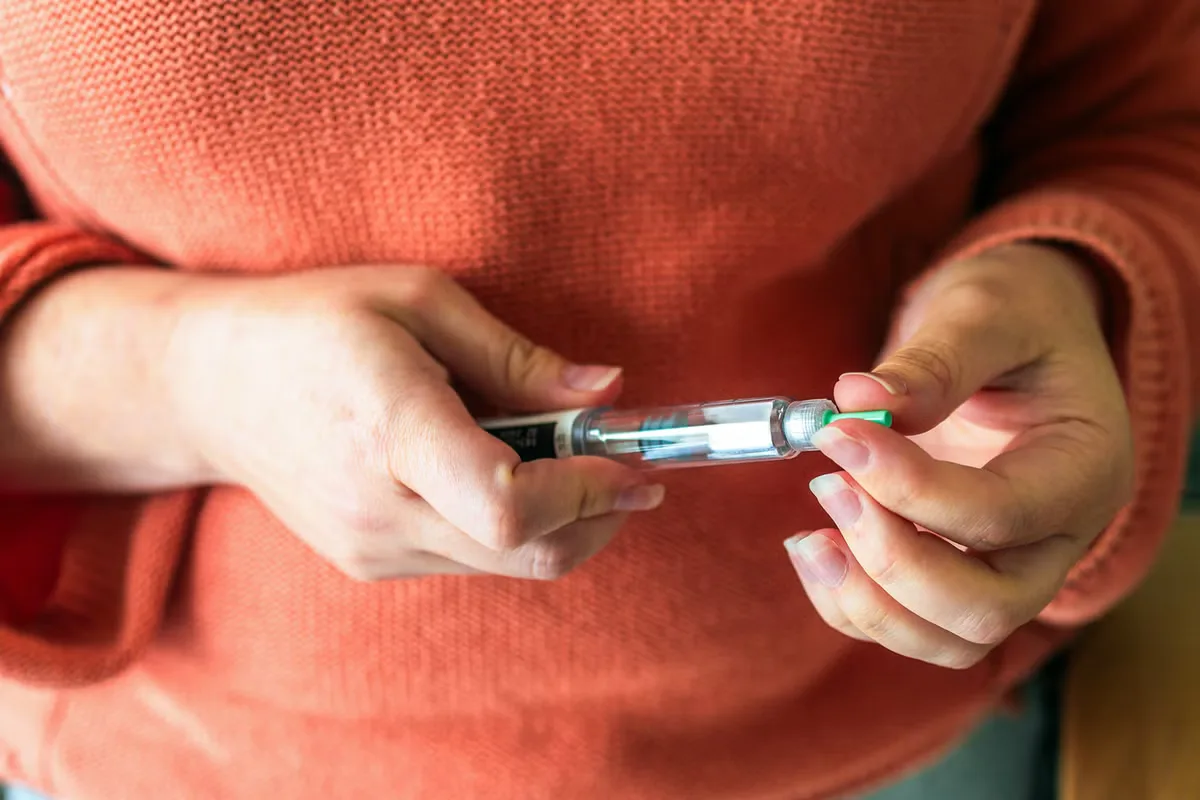
Real GLP-1 agonists like Ozempic work by mimicking glucagon-like peptide-1, a hormone that slows gastric emptying, reduces appetite, and improves insulin sensitivity—leading to 10-20% body weight loss in clinical trials. Injections are required because these large, hydrophilic (water-loving) molecules can't penetrate skin effectively. Patches seem like a dream workaround, but experts highlight critical flaws in delivery and efficacy.
Do the Ingredients in Ozempic-Style Patches Promote Weight Loss?
Laboratory studies show promise for some components. Berberine may suppress appetite and lower blood glucose; green tea polyphenols could regulate fat metabolism; hydroxycitric acid from Garcinia cambogia might aid weight control; and bitter orange's synephrine acts as a stimulant. But lab results rarely translate to humans.
Berberine: Limited Weight Loss in Humans
One scientific review found that up to 3 grams of berberine daily for a year resulted in only a small effect on weight and waist circumference. Human trials consistently show modest outcomes at best, far from Ozempic's transformative results.
Green Tea Extract: No Significant Impact
A review analyzing multiple studies reported that up to 2.4g of green tea extract daily for 13 weeks did not affect body weight.
Garcinia Cambogia: Ineffective at Studied Doses
More than 4g daily for 17 weeks showed no weight loss in aggregated data from various trials.
Bitter Orange: Zero Weight Reduction
Doses up to 54 milligrams of synephrine (from bitter orange) for eight weeks led to no weight loss.
Crucially, these studies tested oral formulations like tablets or capsules—not patches. Transdermal delivery adds another barrier.
Precision tracking for your journey
Join thousands using Shotlee to accurately track GLP-1 medications and side effects.
📱 Get the Shotlee App
Track your GLP-1 medications, peptides, and health metrics on the go with our mobile app!
Skin Absorption: Why Patches Fail to Deliver
Human skin is lipophilic, favoring fat-soluble substances while blocking hydrophilic ones. Ozempic requires injection precisely because semaglutide is too large and water-based for skin penetration.
Herbal extracts in patches are often water-extracted, rendering them ineffective topically—they sit inert until removed. Even oil-based extracts face challenges: patches hold less than 0.1g of material, versus the grams needed in oral studies for minimal effects. Experts agree: dosage and bioavailability make meaningful impact impossible.
Practical Implications for Users
- Low Dose Issue: Patches can't match oral study quantities.
- Absorption Uncertainty: Depends on extraction method, rarely optimized for skin.
- No Clinical Trials: Zero human studies validate patch efficacy for weight loss.
Safety Concerns with Unregulated Ozempic-Style Patches
In Australia, the Therapeutic Goods Administration (TGA) requires listing on the Australian Register of Therapeutic Goods for herbal products. No Ozempic-style patches are registered, meaning quality, purity, and safety aren't guaranteed.
An Australian study identified contamination in unregistered herbals: undeclared plants, heavy metals, even prescription drugs like warfarin. These risks are amplified via skin absorption, potentially entering the bloodstream systemically.
Globally, similar issues plague over-the-counter supplements. Side effects from bitter orange (e.g., increased heart rate) or berberine (GI upset) could occur unpredictably in patch form.
Who Should Avoid These Patches?
Pregnant individuals, those with heart conditions, or on medications should steer clear due to interaction risks. Always consult a healthcare provider before trying unproven topicals.
Proven Alternatives to Ozempic-Style Patches
For sustainable weight loss, experts recommend evidence-based options:
- Prescription GLP-1s: Ozempic or Mounjaro via injection, under medical supervision.
- Lifestyle Changes: Diet, exercise, behavioral therapy—foundational for metabolic health.
- Supervised Supplements: If considering berberine, opt for oral, tested products.
Discuss with your doctor or pharmacist for personalized plans. Tools like Shotlee can help track medication schedules, symptoms, or side effects during legitimate peptide therapy.
Key Takeaways: What This Means for Patients
- Ozempic-style weight loss patches lack semaglutide or tirzepatide; rely on herbs with weak human evidence.
- Doses are too low (<0.1g), and skin absorption is poor for these extracts.
- Unregistered products risk contamination and safety issues.
- Real GLP-1 benefits require injections; patches don't replicate them.
- Prioritize doctor-recommended treatments for safe, effective weight management.
Conclusion: Think Twice Before Buying
While Ozempic-style weight loss patches sound appealing, experts confirm they do not work as claimed, with unproven efficacy and potential dangers. Save your money and health—consult a healthcare professional for tailored, proven strategies to achieve your weight loss goals. In metabolic health, evidence trumps hype every time.