
A New Approach to Tackling Tuberculosis: Could Cytochrome bc1 Inhibitors Be the Answer?
Tuberculosis (TB), caused by Mycobacterium tuberculosis, continues to be a major global health concern. The current treatment regimens are lengthy and can be plagued with side effects, emphasizing the urgent need for new, more effective therapies. Recent research published in Nature Communications investigates the potential of cytochrome bc1 inhibitors in future TB treatment, offering a promising avenue for development.
Understanding Cytochrome bc1 Inhibitors and Their Potential
Cytochrome bc1 inhibitors work by targeting a crucial enzyme in the respiratory chain of Mycobacterium tuberculosis. By inhibiting this enzyme, the bacteria's energy production is disrupted, ultimately leading to its demise. Think of it like cutting off the fuel supply to a car – it simply can't run anymore. This targeted approach has the potential to be highly effective while minimizing harm to the host.
Key Findings from the Research
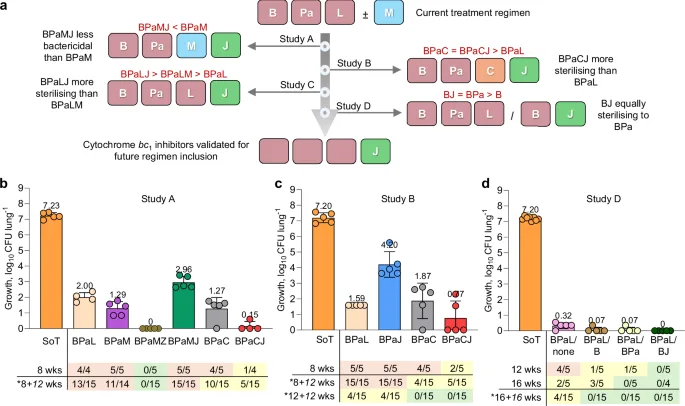
The study evaluated treatment regimens in a relapsing mouse infection model. Several key findings emerged:
- The researchers tested different combinations of drugs, including bedaquiline, pretomanid, linezolid, clofazimine, and JNJ-2901, to determine their effectiveness in treating TB.
- The experiments were conducted across multiple research facilities, ensuring a robust and reliable outcome.
- The animal experiments were performed under strict ethical guidelines, ensuring the welfare of the animals. Humane endpoints were carefully monitored, including body weight loss, behavioral changes, and respiratory distress.
What Does This Mean for Future TB Treatment?
The results of this research suggest that cytochrome bc1 inhibitors hold significant promise as a component of future TB treatment regimens. By disrupting the bacteria's energy production, these inhibitors offer a novel mechanism of action that could prove particularly effective against drug-resistant strains. However, further research is crucial to optimize the use of these inhibitors and ensure their safety and efficacy in humans.
Precision tracking for your journey
Join thousands using Shotlee to accurately track GLP-1 medications and side effects.
📱 Get the Shotlee App
Track your GLP-1 medications, peptides, and health metrics on the go with our mobile app!
Practical Takeaways for a Healthier Future
While this research is still in its early stages, it highlights the importance of continued innovation in the fight against infectious diseases like tuberculosis. Here are some practical takeaways:
- Stay informed: Keep up-to-date with the latest health research and recommendations from trusted sources.
- Practice good hygiene: Simple measures like washing your hands regularly can help prevent the spread of infectious diseases.
- Support research: Advocate for continued funding and support for medical research initiatives.
Individuals focused on tracking their health metrics and wellness goals may find it beneficial to use health tracking apps. While this study focuses on tuberculosis, tools like Shotlee can help monitor overall health, which is crucial in preventing illness and promoting a strong immune system.
In Conclusion
The investigation into cytochrome bc1 inhibitors offers a beacon of hope in the ongoing battle against tuberculosis. While more research is needed, these findings represent a significant step forward in the development of novel and effective TB treatments. By understanding these advancements and supporting continued research, we can pave the way for a healthier future for all.