
Introduction
GLP-1 receptor agonists like Ozempic, Wegovy, Mounjaro, and Zepbound have revolutionized weight management and diabetes care, helping millions achieve significant weight loss and better metabolic health. These medications mimic the GLP-1 hormone to suppress appetite, slow gastric emptying, and improve insulin sensitivity. However, as pharmaceutical companies race to develop oral tablet versions—easier to use than injections—experts are sounding alarms about a surge in counterfeit products.
In the UK, where injectables dominate, the upcoming launch of pills like Novo Nordisk's oral Wegovy (approved by the FDA in the US and under MHRA review) and Eli Lilly's orforglipron could flood the market with fakes. These tablets are simpler for criminals to produce, amplifying risks for patients seeking convenient, evidence-based weight loss solutions. This comprehensive guide dives into the science, threats, and practical safeguards to help you navigate this landscape safely.
What Are GLP-1 Medications and How Do They Work?
GLP-1 (glucagon-like peptide-1) agonists are a class of drugs derived from the gut hormone that regulates blood sugar and satiety. They excel in obesity treatment, with clinical trials showing 15-20% body weight loss over 68 weeks—far superior to lifestyle interventions alone.
Mechanism of Action
Upon administration, GLP-1s bind to receptors in the pancreas, brain, and gut:
- Appetite suppression: Activate hypothalamic centers to reduce hunger signals.
- Gastric effects: Delay emptying, promoting fullness.
- Glucose control: Boost insulin release and inhibit glucagon in a glucose-dependent manner, minimizing hypoglycemia risk.
Key players include semaglutide (Ozempic/Wegovy) and tirzepatide (Mounjaro/Zepbound), a dual GLP-1/GIP agonist with even greater efficacy in trials like SURMOUNT-1 (up to 22.5% weight loss).
Injectables vs. Emerging Orals
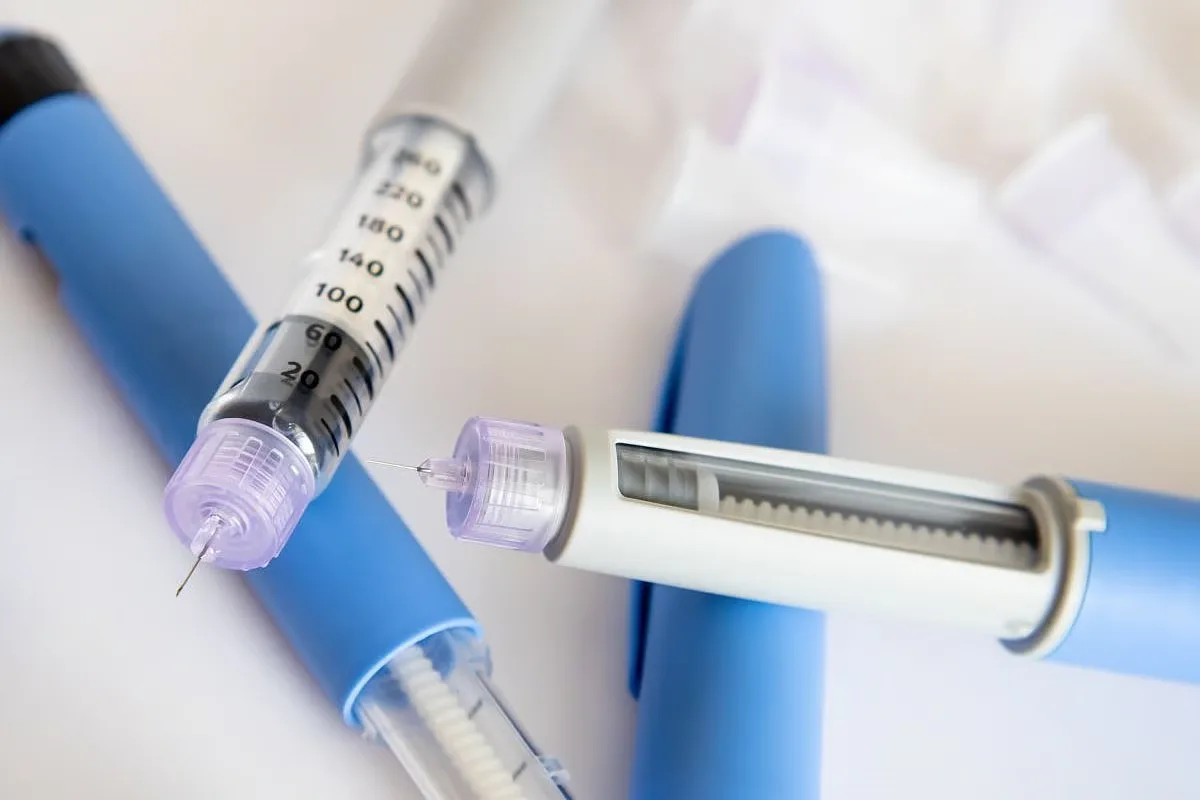
Current UK options are weekly injections: semaglutide (2.4mg Wegovy) or tirzepatide (up to 15mg Mounjaro). These require refrigeration, pens, and needles, deterring casual counterfeiting. Oral versions change this:
- Oral semaglutide (Wegovy pill): Uses SNAC (sodium N-[8-(2-hydroxybenzoyl) amino] caprylate) for gut absorption, bypassing enzymatic breakdown. FDA-approved for weight loss; MHRA pending.
- Orforglipron (Eli Lilly): Non-peptide GLP-1 agonist in late trials, promising once-daily dosing without refrigeration.
Rybelsus, an oral semaglutide for diabetes, requires fasting and precise administration—highlighting formulation challenges fakes can't replicate safely.
Why Counterfeit GLP-1 Pills Are a Growing Threat
Injectables' complexity (sterile manufacturing, cold chain) limits fakes, but pills need only mixers and presses—accessible to illicit labs. Professor Bhavik Patel (University of Brighton) notes:
"Pills are much easier prey for scammers... providing scope for vast production."Surging demand, outpacing supply, fuels black markets via social media like Telegram.
UK patient behavior exacerbates this: Studies on other drugs show higher online risk-taking with tablets. Dr. Bernard Naughton (Trinity College Dublin) observes people buy suspect pills despite doubts, unlike injectables.
Specific Health Risks of Fake GLP-1 Medications
Counterfeits bypass rigorous testing, posing dangers beyond inefficacy:
Precision tracking for your journey
Join thousands using Shotlee to accurately track GLP-1 medications and side effects.
📱 Get the Shotlee App
Track your GLP-1 medications, peptides, and health metrics on the go with our mobile app!
- Incorrect dosing: Too much semaglutide risks severe nausea, pancreatitis, or gastroparesis; too little yields no benefits.
- Contamination: Diverted legit drugs may be improperly stored, breeding bacteria. Fakes add impurities or wrong actives (e.g., insulin mixed in).
- No active ingredient: Wasted money and false hope, delaying real treatment.
- Unknown additives: Novo warns compounded versions have untested doses and impurities.
Real harms include hospitalizations from adulterated injectables already reported. Orals amplify scale, per experts.
Real-World Examples: MHRA Raids and Persistent Threats
The MHRA raided a Northampton factory, seizing £250,000 in fake jabs, including unlicensed retatrutide pens branded 'Alluvi'—still advertised on Telegram post-raid. No arrests disclosed, signaling weak deterrence.
Dr. Oksana Pyzik (UCL School of Pharmacy) highlights a shift to domestic operations:
"When an illicit factory can be raided... and reappear online shortly afterwards... that exposes real regulatory gaps."UK Border Force and MHRA face stretched resources against mass pill imports.
How to Protect Yourself from Counterfeit GLP-1s
Verify Legitimate Sources
- Prescription only: Obtain via NHS, licensed pharmacies, or regulated online services like Superdrug Online Doctor. Never social media or unverified sites.
- Check pharmacy: Use MHRA's register or EU logo for online sellers. Verify batch numbers on Novo/Lilly sites.
- Avoid compounding: FDA/MHRA unapproved; risks impurities.
Spotting Fake Pills or Jabs
Legit products have holograms, tamper-evident seals, and precise labeling. Oral Wegovy includes proprietary SNAC—fakes lack it. Report suspects to MHRA Yellow Card scheme.
Safe Use and Monitoring
Start low (e.g., semaglutide 0.25mg weekly), titrate slowly. Monitor for side effects: nausea (50% initially), GI issues. Lifestyle synergy—high-protein diet, exercise—maximizes results (STEP trials: +5kg extra loss).
Apps like Shotlee help track symptoms, side effects, and nutrition alongside medication, empowering data-driven adjustments with your doctor.
Regulation, Pharma Efforts, and the Path Forward
MHRA uses AI for fake ad detection; Andy Morling emphasizes rigorous standards. Pharma responses: Novo shares pill forensics with FDA; Lilly combats online fakes. Experts urge public campaigns targeting risk attitudes and easy verification.
Stronger enforcement, border controls, and education are key as orals launch.
Conclusion
GLP-1s offer transformative benefits for metabolic health, but counterfeits—especially oral pills—threaten progress. Stick to prescriptions, verified sources, and medical oversight. Tools like Shotlee aid safe journeys. Prioritize authenticity; your health depends on it. Consult your clinician before starting or switching.