Winter Weight Gain: Reasons and Prevention Tips
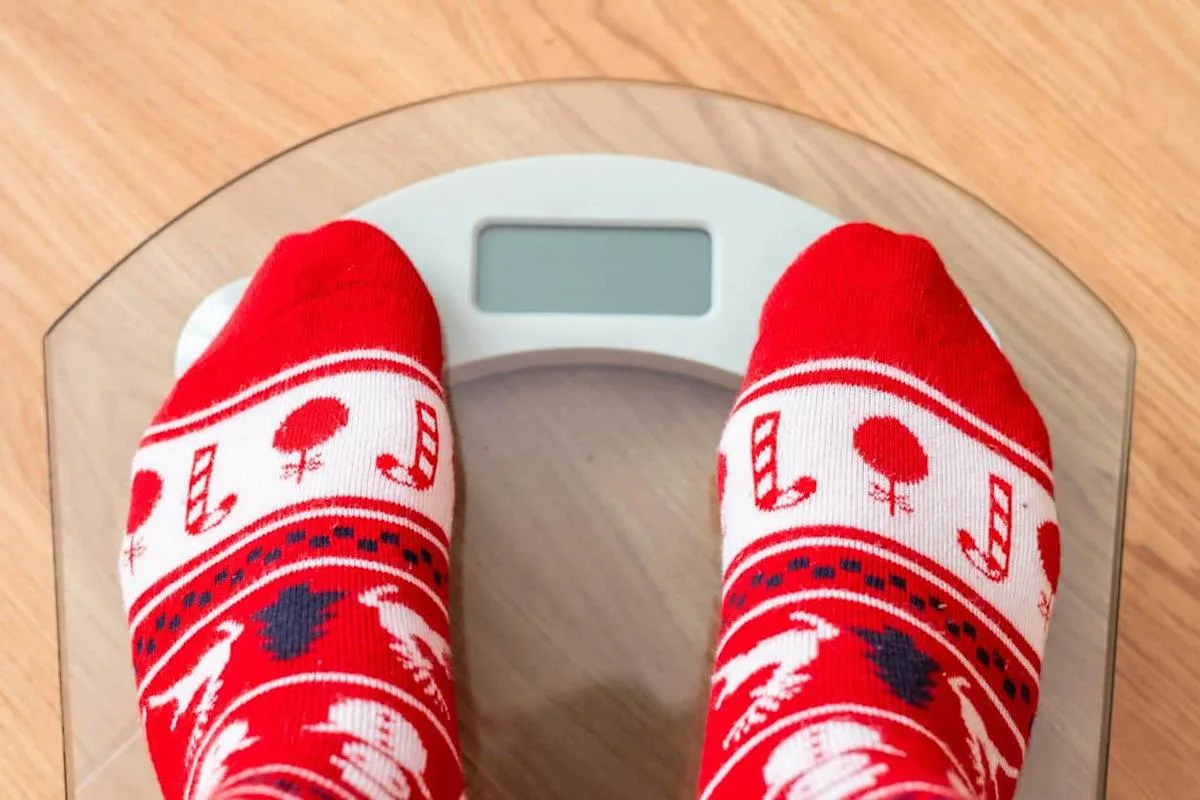
Is gaining weight during winter typical? Indeed. Research indicates that individuals typically gain approximately one pound between November and January.
Cold conditions, shorter daylight hours, tempting holiday treats, and festive gatherings often make weight gain seem unavoidable during the winter months.
However, it doesn't have to be this way. To effectively manage your weight throughout the colder seasons, adopting proactive measures such as maintaining an active lifestyle, consuming nutritious foods, and addressing other prevalent contributing factors can be highly beneficial.
Below, we explore the underlying causes of winter weight gain and offer actionable strategies to help you avoid it.
What Causes Winter Weight Gain?
If you're pondering, "Why am I gaining weight during winter?", know that you're not alone! Winter weight gain can occur even if you maintain a healthy diet and exercise routine.
Several factors contribute to weight gain during the winter season:
- Increased Consumption of High-Calorie Foods: Festive meals and dining out more frequently can lead to increased consumption of sugar, salt, simple carbohydrates, and fats. Furthermore, reduced sunlight and colder temperatures can impact hunger hormones, potentially triggering overeating.
- Reduced Exercise Levels: The cold, wet, and dark conditions typical of winter might discourage regular workouts, reduce time spent outdoors, and increase sedentary behavior at home. This decrease in energy expenditure can contribute to weight gain.
- Increased Alcohol Intake: Holiday gatherings or more time spent at home can lead to higher alcohol consumption. Alcohol is often high in calories and can promote overeating or the consumption of more calorie-dense foods.
- Elevated Stress or Lowered Mood: The holiday season can be a source of stress, and reduced sunlight coupled with cold weather can negatively impact mood. Individuals may turn to comfort foods as a coping mechanism for stress, boredom, anxiety, depression, or seasonal affective disorder (SAD).
- Disrupted Sleep Patterns: Changes in routine, stress during the holidays, and reduced sunlight can disrupt sleep patterns, impacting appetite, food choices, and weight.
- Holiday Season Challenges: Thanksgiving, Christmas, Hanukkah, and New Year's Eve often involve unhealthy foods, overeating, sedentary behavior, long-distance travel, insufficient sleep, increased alcohol consumption, and heightened financial or family-related stress – creating a multitude of challenges to maintaining a healthy weight.
Potential Health Problems Resulting from Winter Weight Gain
Our intention is not to induce fear or guilt about enjoying indoor activities during the colder months. Instead, we aim to emphasize the importance of addressing winter weight gain proactively.
Weight gain, regardless of the season, can contribute to obesity, which elevates the risk of:
- Joint discomfort
- Elevated blood pressure (hypertension)
- Type 2 diabetes
- Sleep apnea
- Cardiovascular conditions
- Certain types of cancer
Furthermore, studies indicate that weight gained during winter may not be shed during spring or summer. Consequently, seasonal weight gain can accumulate over the years. Health tracking apps like
Shotlee can help monitor these changes.
Strategies to Prevent Winter Weight Gain
Adopting healthy lifestyle habits can help you avoid or reverse winter weight gain. While maintaining these habits might be more challenging during winter, small adjustments can improve adherence. Here's what you should do:
1. Consume Nutrient-Dense Foods
Your dietary habits may shift during winter, generally making healthy eating more difficult. To prevent weight gain, prioritize a well-rounded diet consisting of nutritious, whole foods.
Emphasize:
- Fruits and vegetables
- Whole grains and complex carbohydrates like oatmeal, brown rice, and whole-grain bread
- Lean protein sources such as turkey, chicken, fish, and tofu
- Healthy fats from nuts, olive oil, and avocados
Fiber and protein are particularly beneficial for promoting satiety, which can help prevent overeating or mindless snacking throughout the day.
If you're attending a food-centered gathering, ensure you're adequately nourished beforehand with high-protein, high-fiber meals and snacks.
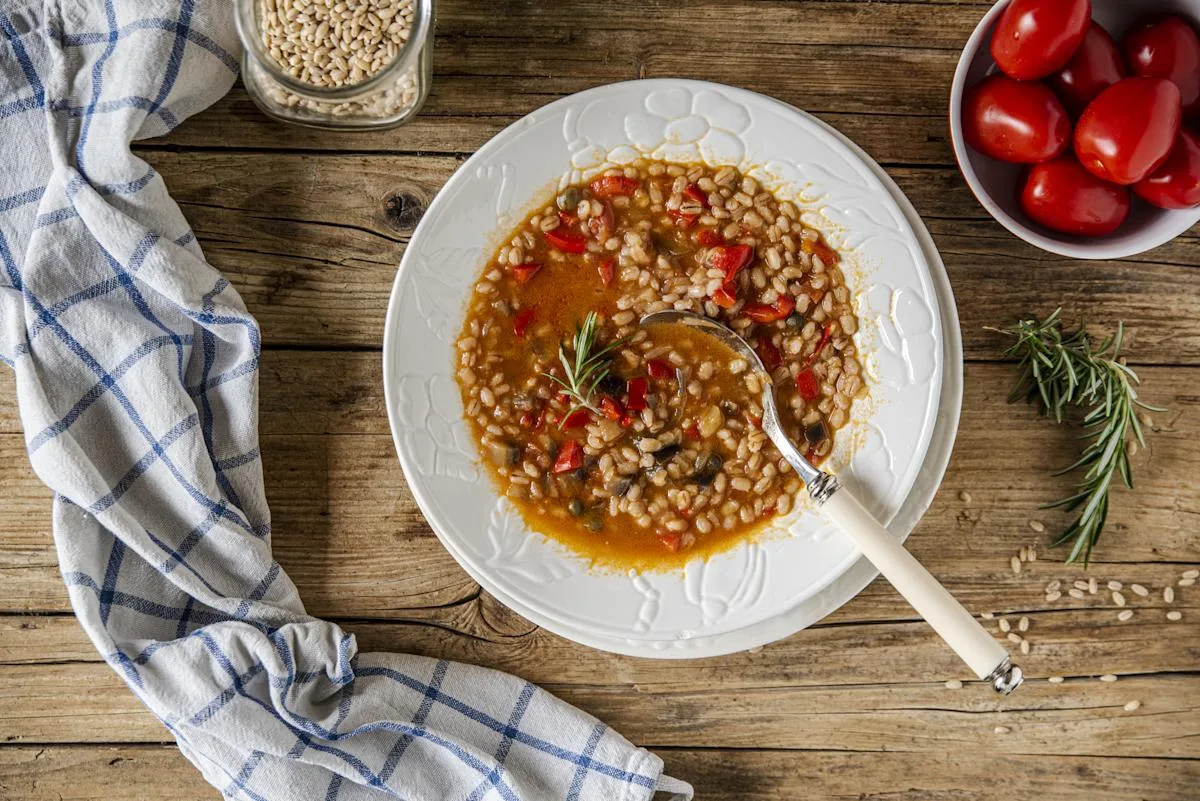
Top winter tip: Embrace the season by preparing soups, stews, curries, and chilis. These dishes can offer ample protein, fiber, and vegetables while providing warmth and comfort.
Consider trying:
- Carrot and pumpkin soup
- Turkey and black bean chili
- Lentil and cauliflower curry
Importantly, these soups can be made in advance.
2. Increase Daily Physical Activity
While shorter days and colder temperatures might alter your exercise routine during winter, aim to maintain regular physical activity.
Generally, aim for a minimum of 150 to 300 minutes of moderate-intensity aerobic exercise per week, or 75 to 150 minutes of vigorous-intensity exercise weekly.
Examples include:
- Running
- Walking
- Cycling
- Swimming
- Team-based sports
- Group fitness programs
Additionally, incorporate at least two strength training sessions each week.
To maintain fitness throughout winter, invest in appropriate clothing to enhance comfort during outdoor activities and schedule indoor workouts as needed. Explore at-home yoga videos, gym classes, or treadmill sessions.
Top winter tip: Boost motivation for winter workouts by trying something new, such as indoor rock climbing, winter sports, or holiday-themed fun runs.
3. Increase Water Consumption
Drinking more water can help regulate your appetite, making it easier to adhere to healthy foods and appropriate portion sizes. By prioritizing water, you may naturally reduce your consumption of sugary drinks and alcoholic beverages.
Start each morning with a large glass of water, enjoy sparkling water as a refreshing option, and carry a reusable water bottle with you throughout the day.
Top winter tip: Remember that warm water also counts. Stay hydrated and warm by drinking chamomile tea, peppermint tea, or warm water with lemon or ginger.
4. Manage Stress and Mood
Take proactive steps to reduce your stress levels and prioritize your mental health and overall well-being throughout winter.
Incorporate activities such as:
- Journaling
- Meditation
- Yoga
- Nature walks
- Relaxing hobbies
- Spending time with loved ones
Don't hesitate to seek additional support from a therapist or healthcare provider. They can provide a safe environment to discuss stress or low mood and guide you in developing new coping strategies or techniques to improve your mental well-being.
Top winter tip: Spend time in sunlight during the day. Since there is less sunlight during winter, try to soak up at least 15 minutes of sunlight each day when the sun is out. This might involve taking a morning walk or going outside during your lunch break. The vitamin D from sunlight and physical activity can positively influence mood, stress levels, and weight management.
5. Enhance Sleep Quality
Aim for a minimum of seven hours of sleep per night to prevent sleep deprivation from contributing to winter weight gain.
If achieving this target seems challenging, try:
- Reducing caffeine intake
- Maintaining a consistent sleep schedule
- Avoiding screen use before bedtime
- Establishing a relaxing bedtime routine (meditate, take a bath, or read before sleeping)
Top winter tip: If holiday travel threatens to disrupt your sleep, pack an eye mask or earplugs. Maintain your bedtime routine as consistently as possible to promote restful sleep, regardless of your location.
6. Seek Support and Consider Weight Management Medications
Weight management and weight loss can sometimes be complex, irrespective of the season.
Consult a healthcare provider to receive personalized advice on maintaining or losing weight during winter.
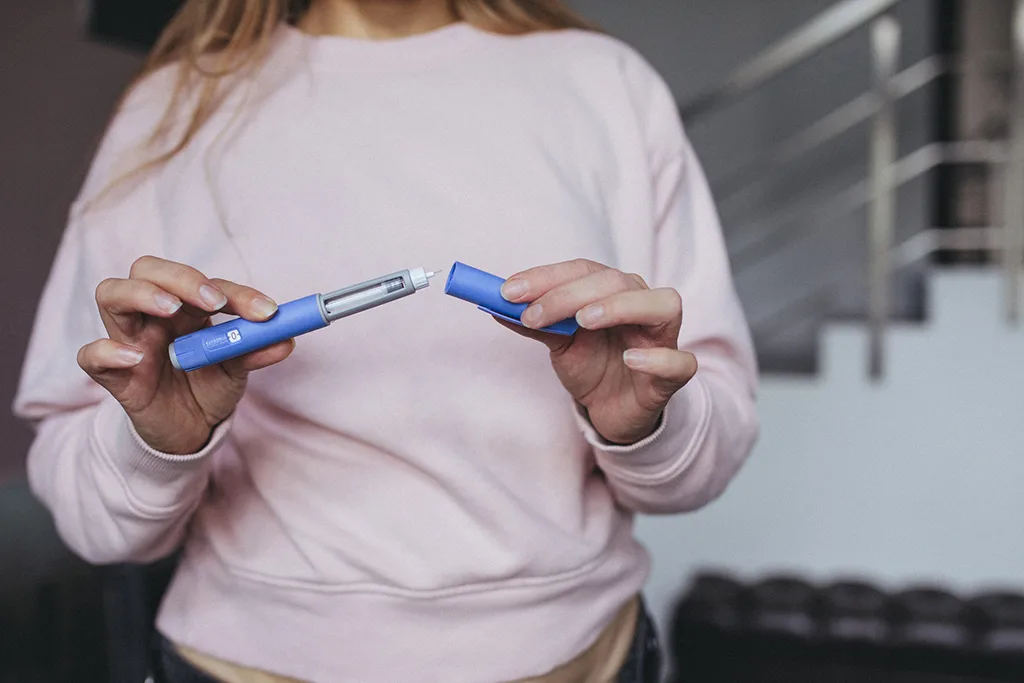
If you're considering weight loss, certain medications might be beneficial. These include:
These prescription medications, which work through various mechanisms, can promote weight loss by reducing appetite, decreasing cravings, and increasing satiety. This can make it easier to adhere to nutritious foods and appropriate portion sizes.
Top winter tip: If you're contemplating weight loss medications, winter might be an ideal time to begin treatment. You may socialize and travel less compared to summer, meaning that initial side effects could be less disruptive to your daily life.
Final Thoughts on Winter Weight Gain
Weight gain and winter often coincide, so avoid self-criticism if you struggle with your weight during the colder, darker months. It's a natural and common occurrence, but it doesn't have to be inevitable.
Remember these key points:
- Identify common triggers for winter weight gain. These include unpleasant weather, holiday foods, and decreased motivation. Determine what has the greatest impact on your weight during winter and create a strategy to address it.
- Practice moderation when indulging. You don't need to completely restrict yourself from enjoying your favorite winter foods and beverages. Instead, savor them only on holidays, such as Thanksgiving and Christmas, and prioritize more nutritious options on other days. Mindfully enjoy one or two seasonal treats rather than making them a daily habit.
- Obtain expert guidance and support. Seek support from a therapist to address mental health or a dietitian to develop a winter-inspired meal plan to help you achieve your health objectives.