Cleveland Clinic Reverses Type 2 Diabetes Using AI, Not GLP-1 Drugs
Deb Bauer's options were dwindling five years after being diagnosed with type 2 diabetes.
Bauer was aware that her glucose levels were gradually increasing during each annual check-up with her primary care physician (PCP). In 2017, she received the news that she had diabetes.
Her doctor advised her to reduce sugar intake, which she knew was good advice. However, changing deeply ingrained habits proved challenging.
By 2022, she was taking three glucose medications for diabetes, along with medications for fibromyalgia and antibiotics for mouth infections. Her body mass index (BMI) was 35.6, exceeding the obesity classification threshold of 30.
After her PCP retired, Bauer sought care at Cleveland Clinic's Family Health Center. Her new doctor suggested adding insulin to her daily medications.
Bauer, now 63, expressed her fear of insulin, not due to the injections themselves, but because of the health decline it signified. This fear motivated her to take control of her health.
Fortunately, Cleveland Clinic was preparing to research a non-pharmaceutical approach for patients with type 2 diabetes. Twin Health claimed to have developed the first AI-powered "digital twin" of patient metabolisms, which the health system decided to test.
This intervention involved no injections, pills, or strict workout routines. Twin Health aimed to improve biomarkers and symptoms of type 2 diabetes using an app and Bluetooth-synced scale, blood pressure cuff, and wearable device, similar to a Fitbit.
After a year in the trial, Bauer's neuropathy disappeared. Her dentist was surprised to see the abscesses in her mouth healed. She discontinued all sleeping and pain pills, as well as most glucose-regulating medications, except for metformin. She lost 50 pounds and no longer met the criteria for obesity.
The most significant change was in her hemoglobin A1C, which measures average blood sugar over the past two to three months. Before using the Twin Health app, Bauer's A1C was over 8 percent, indicating a high risk of complications. Now, it is around 5.8 percent, which Cleveland Clinic considers not consistent with diabetes (under 6.5 percent).
"I never dreamed I'd see that again, ever," Bauer stated.
Dr. Kevin Pantalone, an endocrinologist and director of diabetes initiatives at Cleveland Clinic, admitted he was initially doubtful. He said, "The skeptic in me wanted to know more."
Pantalone explained that diabetes patients typically progress from one medication to multiple medications as their condition worsens. The idea of controlling diabetes while reducing medications seemed highly ambitious.
By the end of the 12-month, 150-patient study, he became convinced. Seventy-one of the 100 patients using Twin Health's intervention achieved an A1C under 6.5 percent, effectively reversing their type 2 diabetes. Only 2.4 percent of the 50 patients receiving standard care achieved the same result.
More than half of the Twin Health users stopped taking all glucose-lowering medications except metformin, compared to 2.8 percent in the standard care group. Twin Health patients also experienced weight loss at approximately twice the rate of their peers.
Pantalone stated that nothing besides bariatric surgery has demonstrated the ability to improve agency, aid in weight loss, and simultaneously reduce medications for type 2 diabetes. He believes the digital twin is changing that.
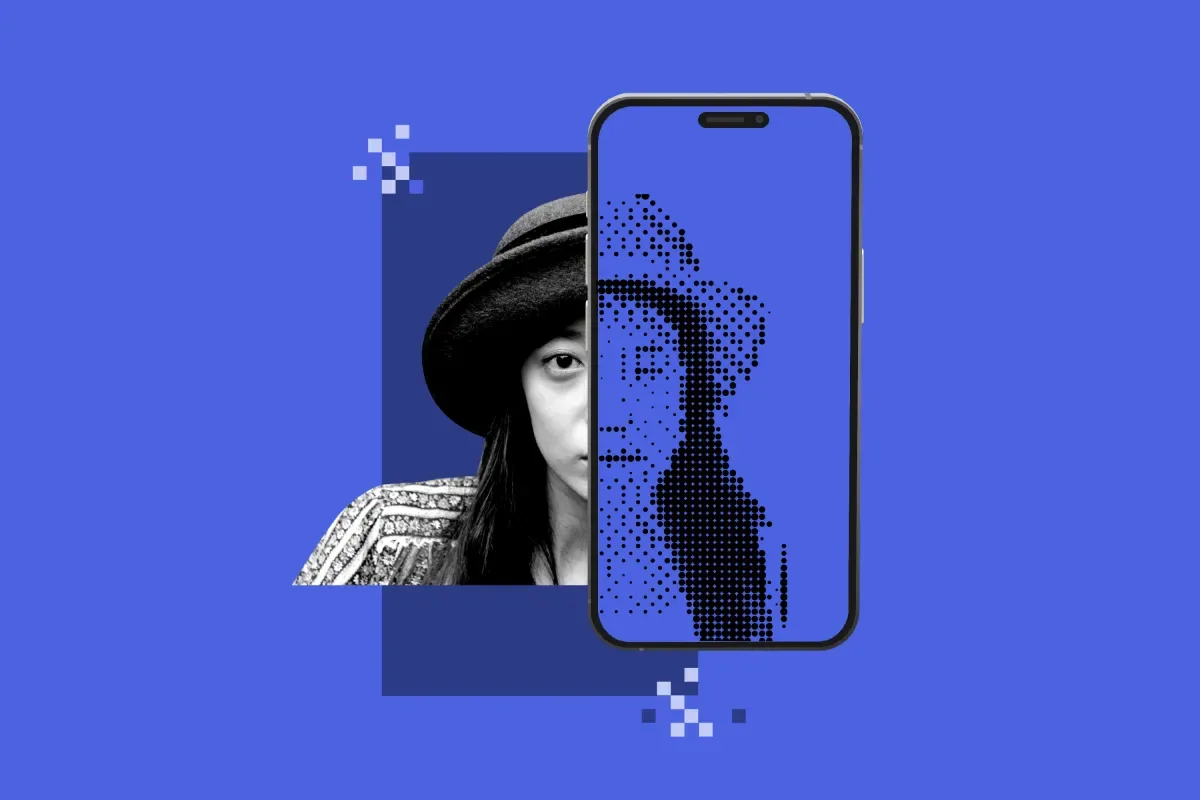
Digital twins are virtual representations of real-world entities that can simulate the impact of actions without affecting the originals. IBM reports that 75 percent of businesses use digital twins for data-driven decisions, particularly in supply chain optimization and product development.
Digital twins are gaining momentum in healthcare as AI improves in high-speed data analysis. GE HealthCare uses them to anticipate patient capacities and redesign medical units. Sophia Genetics' technology is used in over 70 countries to assist with cancer diagnosis and treatment, utilizing data from patients with similar characteristics. Each month, over 35,000 oncology patients are modeled against the company's digital twins to identify potential genomic origins and predict therapy responses, according to Jurgi Camblong, founder and CEO of Sophia Genetics.
Camblong emphasized the importance of basing medicine on objective data to help patients understand their options and make informed decisions.
Creating a digital twin for a person's metabolism was considered almost impossible due to the complexity, according to Jahangir Mohammed, founder and CEO of Twin Health. He previously founded Kineto Wireless and Jasper (which sold to Cisco for $1.4 billion in 2016).
Mohammed conceived the idea for Twin Health while visiting family in South India, where he learned that four out of ten relatives had type 2 diabetes. He noticed their casual discussion of high blood glucose levels.
He discovered that over 77 million adults in India have type 2 diabetes, and more than half are unaware. In the U.S., 38.1 million adults meet the criteria for diagnosis.
Mohammed's research indicated that many prevalent chronic diseases often cluster: diabetes, obesity, hypertension, high cholesterol, and fatty liver disease. Uncontrolled, these can lead to severe consequences like stroke and Alzheimer's.
The World Health Organization estimates that preventable diseases cause over 60 percent of global deaths. Growing research links several diseases to dysfunctional metabolism.
Mohammed considers metabolic dysfunction "may be the world's largest unsolved problem."
Clinicians explained to him that metabolism is complex, dynamic, and varies for each individual. Hundreds of metabolic pathways impact thousands of biomarkers, making it impossible to simplify into a single test or snapshot.
Mohammed concentrated on the fundamental truths about metabolism: it is influenced by behavior, including diet, exercise, sleep, stress, and medications. Conversely, a person's biology affects their impulses, energy, and actions. Health tracking apps like Shotlee can help monitor these factors.
"Behavior causes biology. Biology causes behavior," Mohammed stated. "It's a circular causality."
He believed that visualizing the biological effects of actions through a digital twin could motivate behavioral changes. Continuous guidance from an AI agent could facilitate finding and maintaining a healthy path.
This hypothesis reversed Deb Bauer's diabetes by transforming a potentially negative choice into a positive outcome.
Precision tracking for your journey
Join thousands using Shotlee to accurately track GLP-1 medications and side effects.
📱 Get the Shotlee App
Track your GLP-1 medications, peptides, and health metrics on the go with our mobile app!
The Twin Health platform provides real-time insights into how decisions about food, movement, sleep, stress, and medication affect metabolic health. It combines continuous biometric monitoring, extensive datasets, behavior-specific AI algorithms, and human coaching within a smartphone app.
Mohammed and his team spent seven years gathering data to power the system, analyzing 8 million meals eaten by people using continuous glucose monitors (CGM). They noted food consumption patterns and blood-sugar-lowering activities. This data enables the model to forecast glucose responses and offer tailored recommendations.
The system becomes more personalized with each new data entry. The platform collects continuous biomarkers and behavior data to create a digital model of an individual's biology, metabolic pathways, and behavioral effects. "It discerns the cause and effect," Mohammed explained.
Each patient uses four Bluetooth-enabled sensors: a CGM patch, a blood pressure cuff, a body scale, and a smartwatch. This biometric input stream, approximately 3,000 data points per user per day, forms the basis for the AI engine.
The Twin learns to understand context. If a patient is at home, it might suggest a 10-minute walk after a meal. It also adapts to individual preferences.
"If I decline salad three times, it doesn't bug me the fourth time," Mohammed said.
Warning signs trigger a "human touch" moment, escalating to a live coach or clinician.
For patients like Bauer, the constant feedback loop was transformative.
"Everything that I ate, if I took a bite, I entered it," she said. "Over time, once I started entering my food, it would tell me that this meal is not good for you."
Pantalone believes the real-time guidance was the key differentiator in Cleveland Clinic's trial.
"What provided the success of this intervention was the real-time feedback that the patients were receiving through engagement with the app," Pantalone stated. The app scanned food labels at the grocery store, classifying them as "green, orange, or red," aiding users in making healthier choices.
Traditional diabetes counseling lacks this immediacy. "[Patients] hear what they should be doing, but then when they're at home actually doing it, there's nobody there in real time helping them with the decision-making process."
Bauer reported seeing results daily, motivating her to overcome challenges and continue benefiting from her efforts. Early data from Twin Health indicates rapid physiological improvements.
"Most people feel change in one week, and there is a remarkable change in 90 days," Mohammed said. "Human biology is resilient and adaptive. It responds quickly."
If Twin Health's approach proves sustainable, it could change how clinicians view chronic metabolic disease. Doctors have traditionally viewed type 2 diabetes as inevitably worsening.
"We tell them that diabetes is a progressive disease, and that even if they do everything right with their diet and exercise, that they may require more therapy with time," Pantalone explained. This can be emotionally taxing, and patients often feel like they've failed when their medication list grows.
Twin Health's trial challenges this narrative, prompting other health systems to consider similar approaches. Dr. Maria Ansari, co-CEO of the Permanente Federation, stated her organization is piloting Twin Health after reviewing Cleveland Clinic's results.
Beyond clinical outcomes, the technology may also provide financial relief. Mohammed estimates the platform saves about $8,000 per year per diabetes patient, and 89 percent of high-cost GLP-1 users in Twin Health's commercial insurance programs did not regain significant weight after discontinuation.
Clinicians have also noted that the technology reveals patients are more capable and motivated than previously assumed. Pantalone observed that older adults and longtime patients thrived in the program.
"My own biases as a physician shouldn't determine what options I give my patient," he said. "Who am I to say, 'I don't think you can do this'?"
Currently, Twin Health is offered through employers, health plans, and select health systems. Mohammed stated the company is preparing for demand beyond diagnosed chronic disease patients.
"There is significant demand from the market for AI digital twins for everybody," he claimed, "because why wait for people to get unhealthy?"
While the Cleveland Clinic study revealed no safety concerns, the digital twin model requires careful oversight.
Sustained engagement is a major barrier to success. Pantalone noted that some patients struggled due to "lack of early success or lack of support system at home." Logging foods can feel awkward initially.
The digital twin also needs continuous, accurate data. Bauer had to delay joining the study due to antibiotics affecting her glucose readings. Patients on certain medications may not be eligible.
Unlike medications with physiological side effects, the twin's guidance focuses on diet, movement, sleep, and stress-management. Patients may also find it easier to be honest with the app than with a doctor.
"People quickly learn that [the digital twin] always tells the truth but doesn't judge them," Mohammed said.
As more health systems adopt metabolic twins, long-term outcomes need to be tracked. Cleveland Clinic extended their Twin Health study, but the data is not yet available. Pantalone anticipates some waning of the one-year remission rate over time.
Still, he believes, "We're going to see success in the majority of patients, because they learned a new lifestyle through this intervention."