
Can Serums Fix 'Ozempic Face'? Brands Say Yes, But What Do Derms Think?
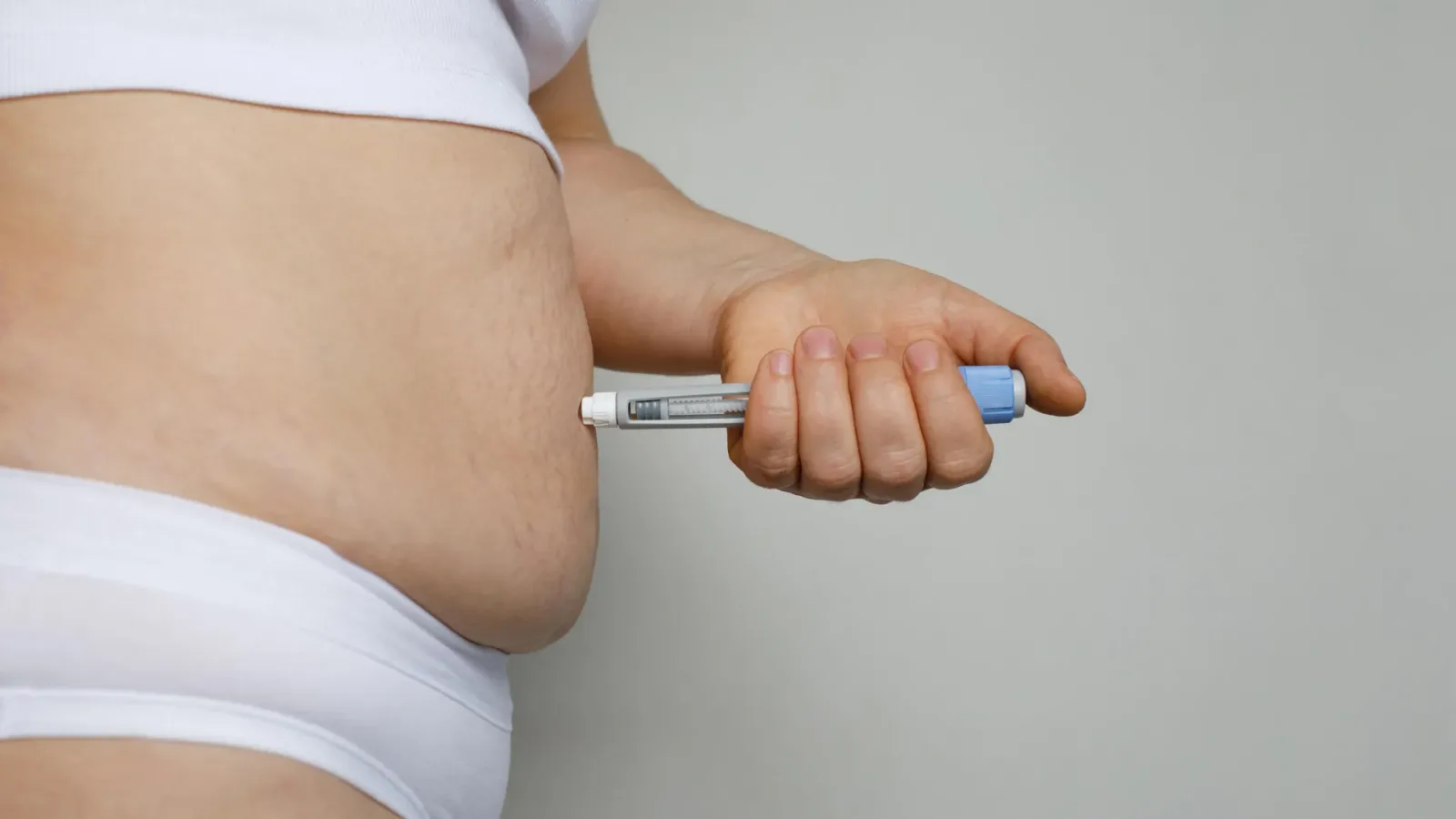
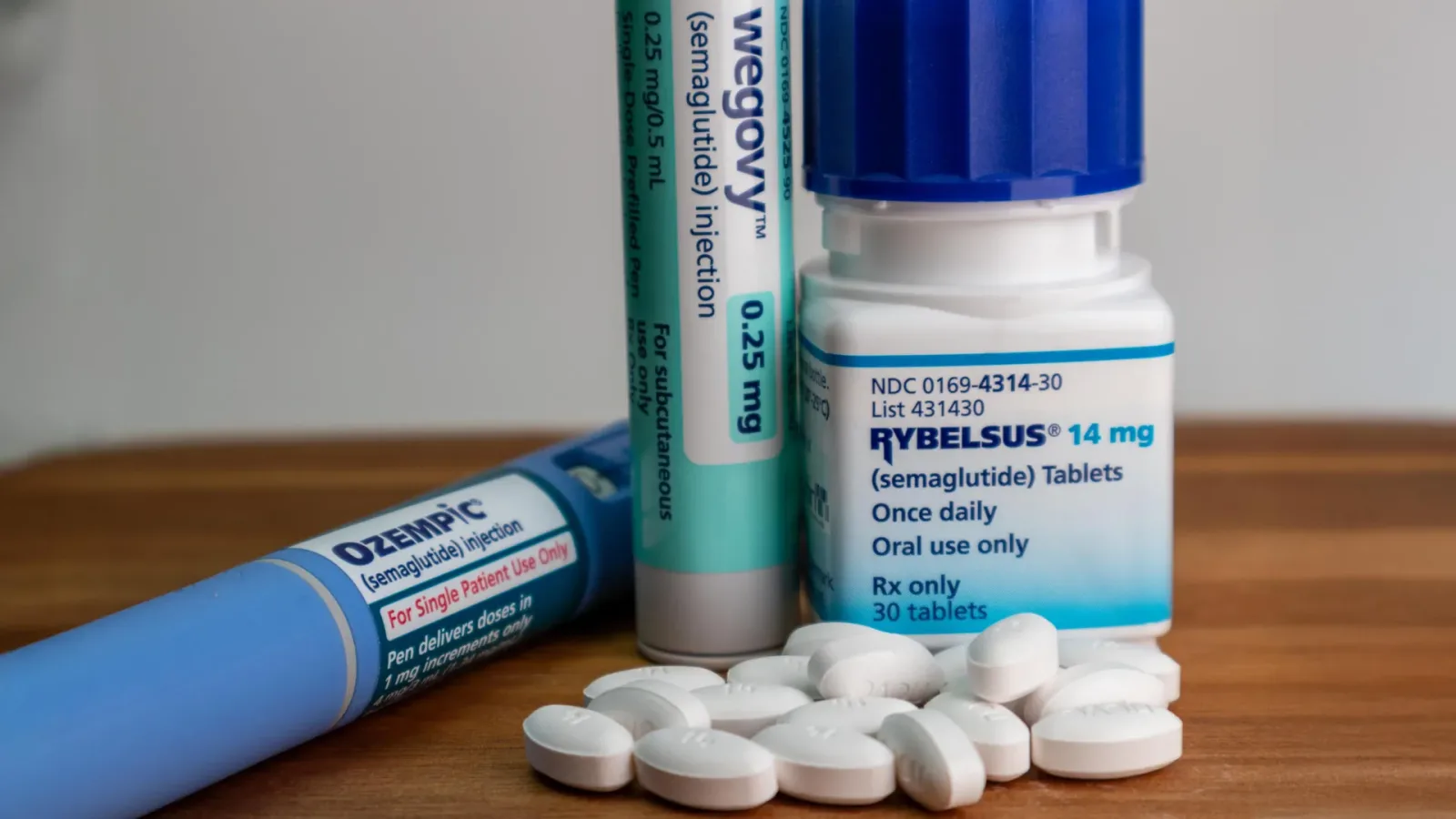
The era can be divided into before and after the rise of GLP-1 medications. Weight-loss drugs are now widespread, with recent health surveys indicating that nearly one in eight American adults has used such a medication. Prescriptions have surged by over 300 percent in four years, and analysts predict that as many as 30 million people will be using these drugs by 2030.
These medications are impacting not only bodies but also faces. Dermatologists, plastic surgeons, and patients have observed a distinct appearance associated with success on these drugs. This appearance is often gaunt, prematurely aged, and has been termed "Ozempic Face." Dendy Engelman, MD, notes that the skin appears thinner, with a "deflated" look in the mid-face and jawline, accompanied by dryness and fine lines.
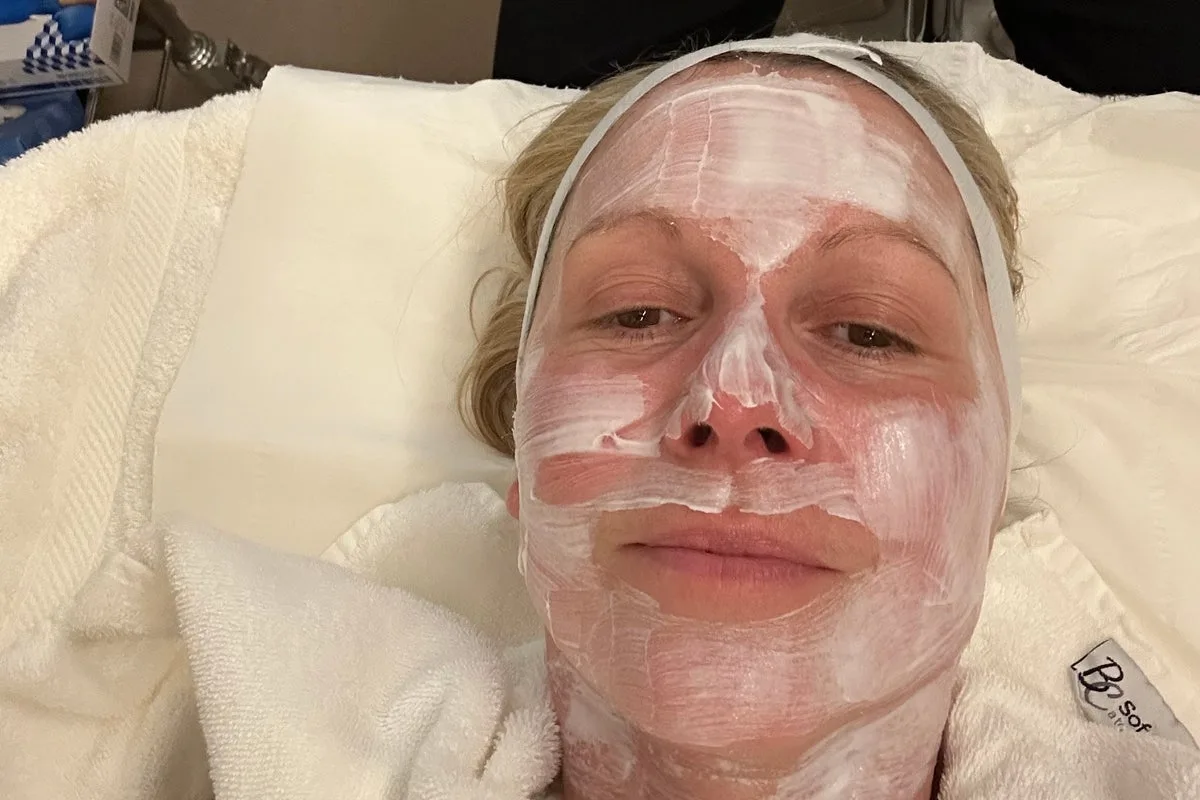
Skincare brands have responded by developing serums to address these changes. Several companies have introduced products specifically for this issue and have rebranded existing formulas to target the dehydration and drooping caused by the drugs.
However, the necessity and effectiveness of these serums are debated. According to Connie Yang, MD, a dermatologist, there's limited clinical evidence supporting their use. She emphasizes the need to differentiate between science-backed solutions and marketing.
Experts suggest that the dramatic effects of these drugs on the skin are due to rapid weight loss and potential nutritional deficiencies. According to John Diaz, MD, patients who lose weight gradually tend to fare better, allowing the skin to adapt. Rajesh Dhirmalani, DO, highlights that reduced skin elasticity is often linked to insufficient vitamin and mineral intake, which is common among those restricting their diet.
Other Factors at Play
Experts also suggest that GLP-1s may have more specific effects. Dr. Diaz references studies indicating that these drugs might interfere with the production of hormonal and metabolic factors, potentially affecting the skin's structural integrity. Steven Dayan, MD, adds that GLP-1s could inhibit stem cells in dermal white adipose tissue from signaling fibroblasts to produce collagen and elastin. Furthermore, the loss of facial fat, which acts as an endocrine organ producing hormones like estrogen, can also impact skin integrity.
Despite ongoing research, the phenomenon is impacting aesthetics. As Dayan notes, patients are losing weight but may not feel healthy. Initially, patients might appear healthier because of decreased inflammation. However, after losing five to ten percent of their body weight, skin thinning and volume loss become apparent.
The question then becomes: how should one care for skin that is changing faster than medicine can fully explain?
Cosmetic Companies Respond
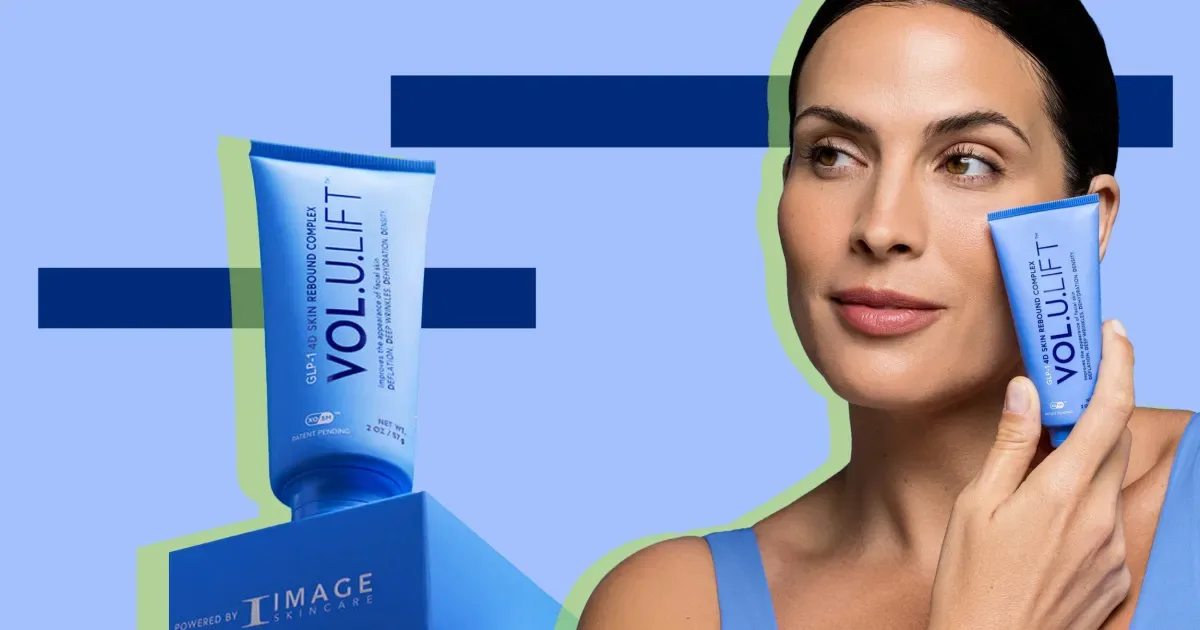
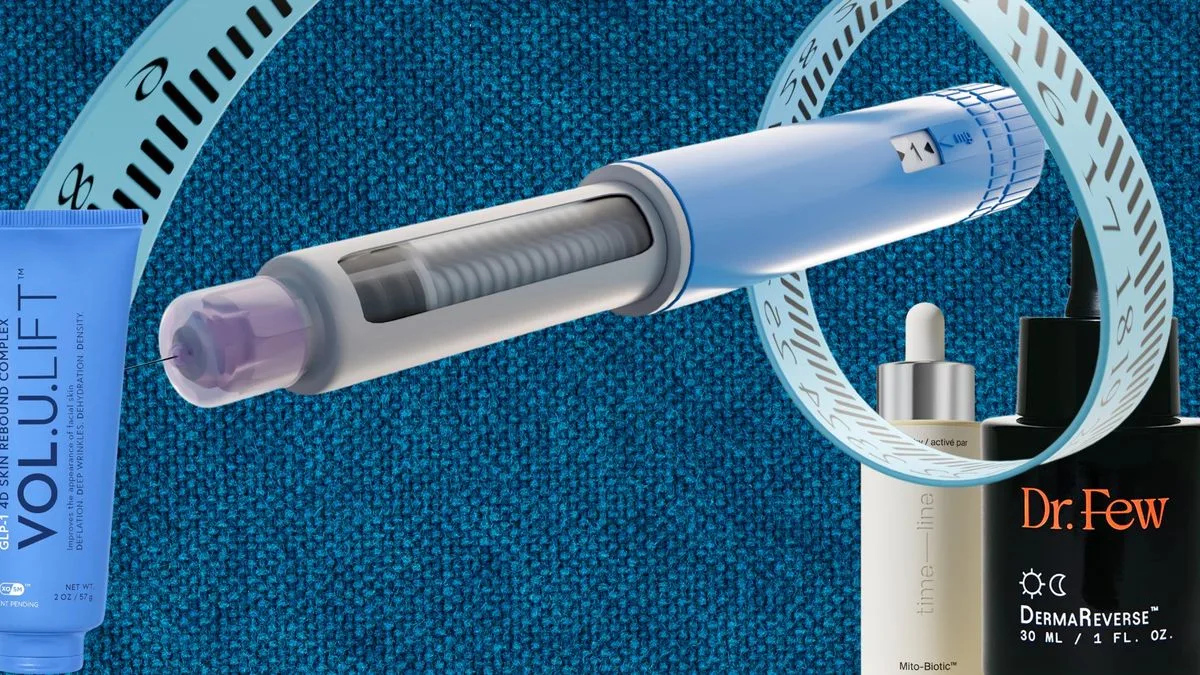
Cosmetic companies are developing solutions. VOL.U.LIFT, created by Marc Ronert, MD, aims to address deflation, density loss, deep wrinkles, and dehydration. The formulation combines L-ornithine, bakuchiol, HA silanol, plant collagen fragments, and kangaroo paw extract. Clinical testing has demonstrated improvements in volume, firmness, elasticity, wrinkle reduction, and hydration.
Precision tracking for your journey
Join thousands using Shotlee to accurately track GLP-1 medications and side effects.
📱 Get the Shotlee App
Track your GLP-1 medications, peptides, and health metrics on the go with our mobile app!
Julius Few, MD, observed that his facelift patients on GLP-1s had skin resembling worn-out rubber bands. This led to DermaReverse, a serum featuring bioavailable retinoic acid and a peptide complex to rebuild collagen and elastin. Data suggests that GLP-1s reduce the skin's capacity to protect against sun damage, produce collagen and elastin, and repair itself. The DermaReverse is designed to address this.
SkinCeuticals is also promoting its A.G.E. Interrupter Ultra Serum for drug-induced laxity and volume loss, based on internal testing. The serum contains proxylane, which reinforces the skin's structure, and antioxidant-rich wild fruit flavonoids.
Skinbetter Science suggests that products like the InterFuse Treatment Cream can benefit GLP-1 users by supporting density and barrier function. Injectables are also being marketed, with Galderma introducing its SCULPT & LIFT protocol after a study on medication-driven weight loss.
While the trend of GLP-1 skincare is growing, experts advise caution. Dr. Yang anticipates the user base will expand, leading to solutions rooted in metabolic science that support the skin's adaptation to weight loss and hormonal shifts. Health tracking apps like Shotlee can help monitor changes during this process.
Dr. Engelman believes that specialized products aren't always necessary, but many contain ingredients beneficial for overall skin health. She recommends ingredients like peptides, growth factors, and retinoids for collagen support; hyaluronic acid and ceramides for hydration; and antioxidants like vitamin C and niacinamide for protection. Dr. Yang also supports the use of growth factors and peptides to stimulate collagen and elastin, repair the extracellular matrix, and reduce inflammation.
Chemist Perspective
Ursula Diaz reviewed the ingredient lists of GLP-1 products, finding them to be high-performance skincare. She praised Image Skincare's Vol.U.Lift and DermaReverse for their ingredients. Additionally, she recommends SkinCeuticals' A.G.E. Interrupter Ultra Serum for its proxylane and flavonoids.
However, serums and creams have limitations, and experts agree that they cannot replace procedures like Botox, fillers, lasers, and scalpels for structural issues. Dr. Engelman notes that injectables and energy devices are often needed to restore deeper volume loss. Neither Ronert nor Dr. Few claim their products replace these in-office procedures. Dr. Engelman uses hyaluronic acid fillers, biostimulators, and tightening devices in her practice.
Dr. Dayan is both optimistic and cautious, stating that the science is still evolving. He believes fat transfer is the best way to replace volume but also suggests that injectables and energy-based devices may reactivate suppressed adipose stem cells. He acknowledges that while the new products may be great for aging skin, it's challenging to champion them specifically for GLP-1 effects because the reasons for rapid facial aging are still being determined.