The Promise of Peptides: The Wolverine Stack
It's commonly assumed the "Wolverine stack" alludes to the vast wealth of Hugh Jackman, known for portraying the Marvel Comics superhero in films. However, the connection to Jackman's character is more direct. Wolverine is famous for his regenerative abilities. The stack in question is a combination of chemicals, namely -157 and -500, that supposedly grant similar advantages to ordinary individuals.
Popularity Among Athletes and Beyond
These peptides are gaining traction among athletes seeking quicker recovery from ligament tears and bone fractures. Their use is expanding; a study analyzing internet forums discussing -157, -500, and related substances revealed their use for promoting general well-being and "anti-aging," particularly among older men.
Peptides -157 and -500: What Are They?
Chemically, -157 and -500 are peptides, which are amino acid chains too short to be considered complete proteins. The former is derived from a stomach protein fragment, while the latter comes from thymosin beta-4, a protein present in the majority of the body’s cells. Like many natural peptides, these compounds function as signaling molecules. Animal studies indicate that both -157 and thymosin beta-4 exhibit multiple effects that ameliorate injuries (little research focuses explicitly on the -500 fragment). These effects include promoting blood-vessel formation and wound healing, in addition to reducing inflammation. Furthermore, these experiments have not identified concerning adverse effects.
Health tracking apps like Shotlee can help monitor potential side effects when exploring such substances.
Limited Human Research and Risks
However, human research is lacking. A recent assessment identified only three small studies on -157 (one suggesting potential relief from chronic knee pain). Thymosin beta-4 is undergoing encouraging trials for corneal issue treatments and recovery from heart-attack-related tissue damage, but -500 itself is not. The stack is typically administered via injection by "informal" users, which carries its own risks.
The Rise of Folk Pharmacology
Due to the absence of formal trials, a system of "folk pharmacology" has emerged. Forum users exchange advice, caution against potential side effects, criticize unrealistic expectations of miraculous improvements from inexperienced users, and even conduct informal product testing to differentiate high-quality products from inferior ones from the available commercial options.
Ambiguous Legal Status and its Consequences
This situation arises from the unclear legal status of these compounds. Although no jurisdiction has approved their use as medications, few prohibit their sale. Consequently, they can be marketed as "experimental chemicals" as long as no explicit medical claims are made. Professional sports organizations, like the World Anti-Doping Agency, prohibit these substances, but this does not prevent their use by enthusiastic amateurs.
Lost Opportunity and Unregulated Market
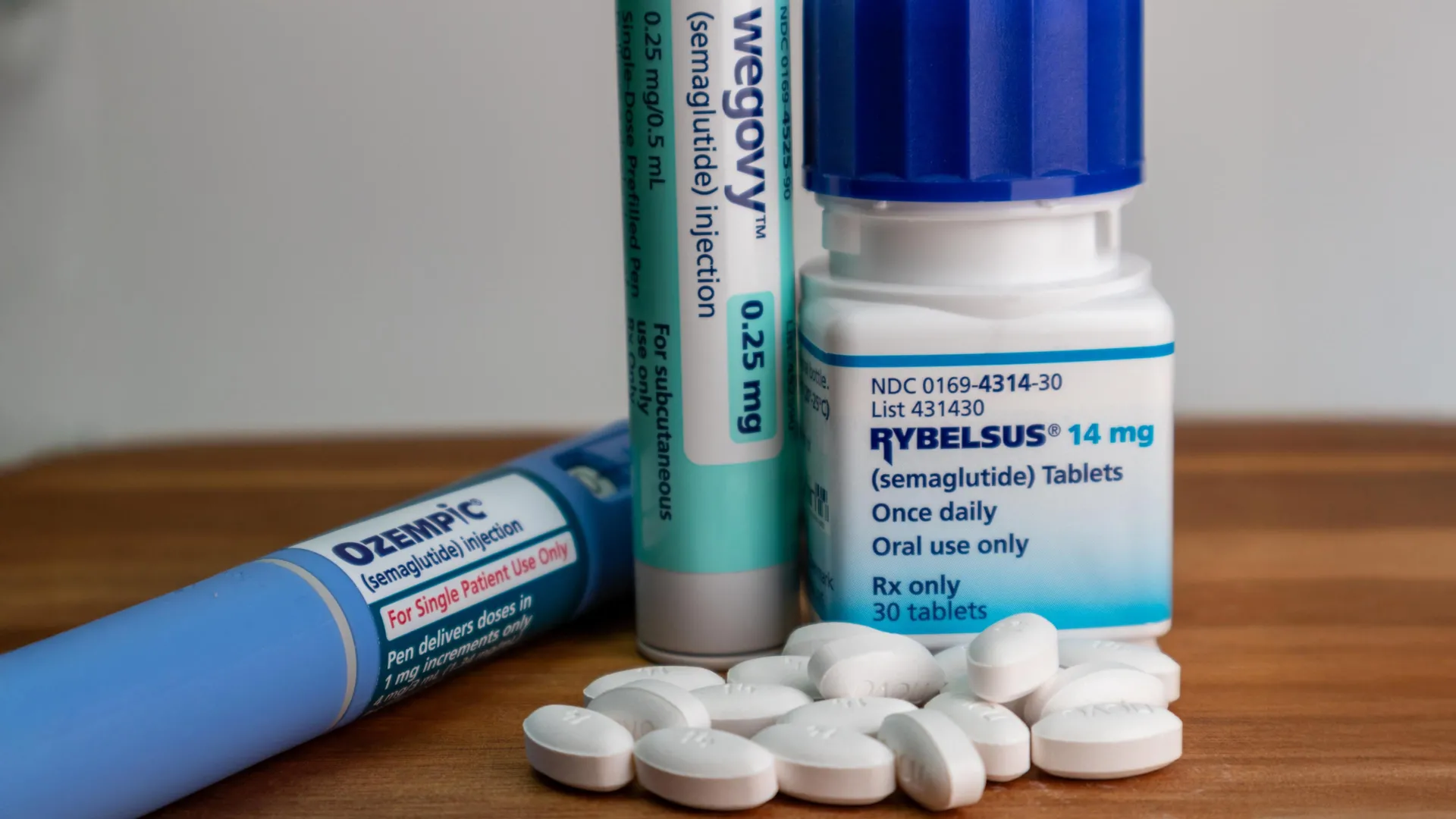
The outcome is a problematic situation and a missed opportunity. Peptides represent a significant drug category. Approximately 100 are approved for medical use, including
insulin, human growth hormone, and
semaglutide (the active ingredient in
Ozempic, a treatment for type-2
diabetes, and
Wegovy, a weight-loss drug). Ideally, the components of the Wolverine stack would be evaluated to either be officially approved or rejected.
However, this would require clinical trials involving human subjects. Such trials would be costly, lengthy, and hard for pharmaceutical companies to justify, given the difficulty of patenting products based on molecules already widely known. The result, even with the efforts of forum users, is an unregulated market where the purity and potency of available products cannot be guaranteed, leading to inherent risks. Therefore, at present, consumers should proceed with extreme caution.