
Can Overweight Pets Use Ozempic? UAE Vets Weigh In
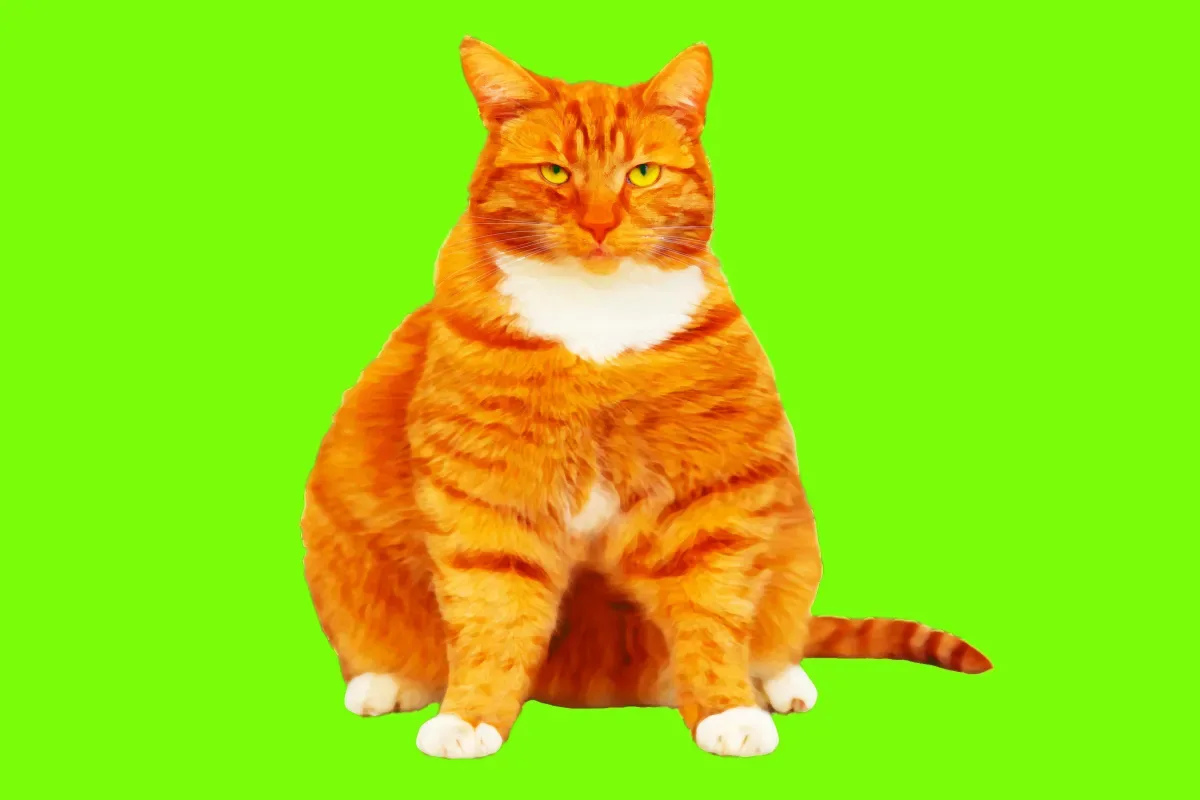
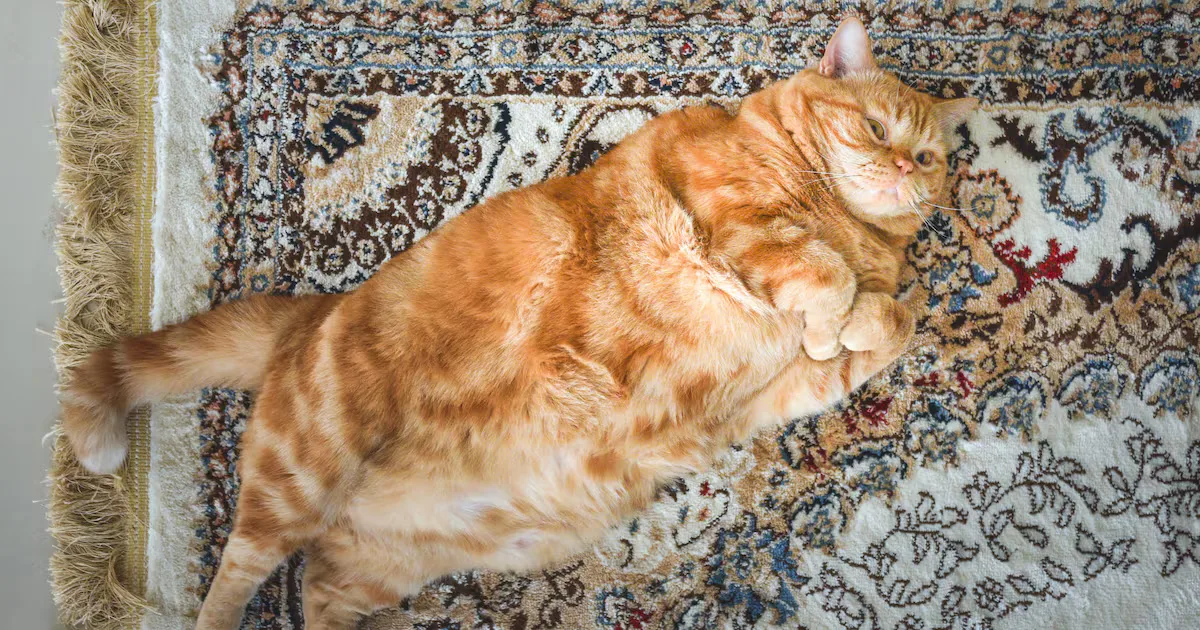
While a chubby pet might seem endearing, obesity poses significant risks to their health, lifespan, and overall well-being. Many owners mistakenly believe overfeeding is an act of kindness, but excess weight can lead to serious consequences.
Dr. Rachel Shaw, chief executive of Animal Welfare Abu Dhabi, notes that pet obesity is associated with medical conditions such as arthritis, joint disease, diabetes, heart and breathing problems, liver disease, and an increased risk of certain cancers.
"Pet welfare is compromised by obesity, which induces pain, restricts movement, lowers activity, and complicates daily living. In addition, we know that it shortens life," she adds.
The long-term effects are well-documented. A study in the Journal of the American Medical Informatics Association revealed that dogs consuming 25% fewer calories lived an average of two years longer and experienced fewer health problems.
Similarly, research in The Veterinary Journal identifies osteoarthritis as the most prevalent medical condition linked to being overweight in cats, as well as small and large dogs.
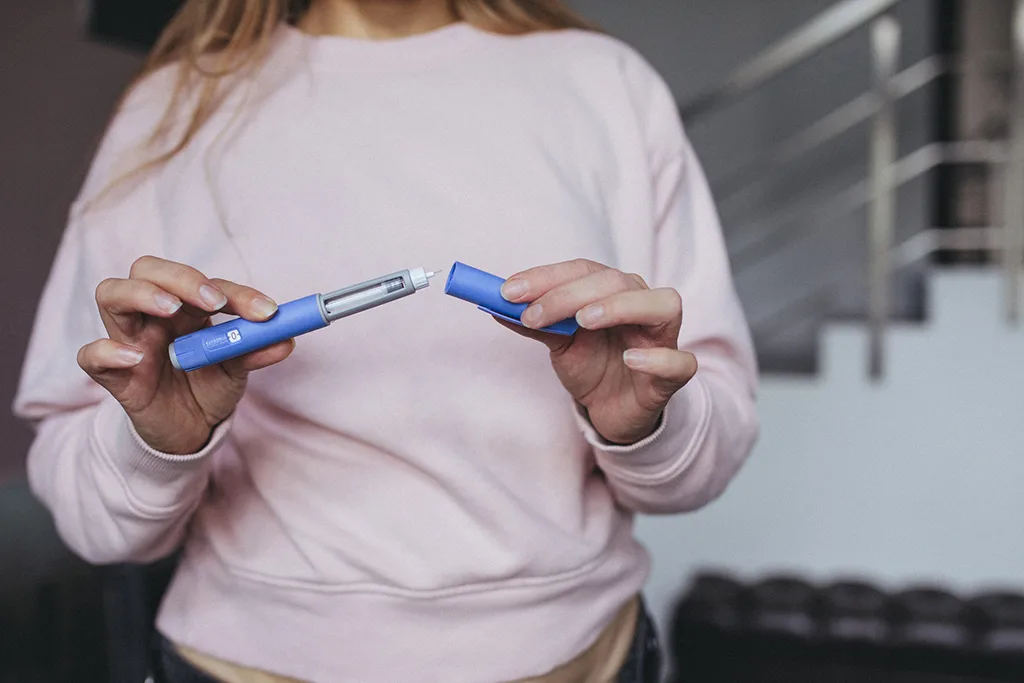
The increasing popularity of weight-loss medications like Ozempic and Wegovy for humans has prompted the question of whether similar drugs could benefit pets.
Earlier this month, Okava Pharmaceuticals, a San Francisco-based biopharmaceutical company, announced the commencement of a pilot study on a GLP-1 drug specifically for obese cats. The results are anticipated next summer.
Instead of weekly injections, commonly used in human treatments, the cats in the study will receive small injectable implants, slightly larger than a microchip. These implants are designed to slowly release the drug over six months.
Caution Urged by Experts
Despite growing interest among some pet owners, veterinary experts advise caution.
Dr. Shaw states, "An Ozempic-style jab for pets is rarely necessary, no matter how appealing it may sound to some. Obesity in pets is almost never a metabolic issue; it's a management one."
Dr. Amer Grizic, a veterinary surgeon at Animalia Veterinary Clinic in Abu Dhabi, concurs. "The primary cause of obesity begins when young pets are fed low-quality ingredients in food, along with excessive treats."
He explains that these habits often persist as the animals age, and many owners only recognize the problem when health complications arise.
The Association for Pet Obesity Prevention offers helpful resources on its website for calculating daily food intake, calorie needs, and portion sizes. They also provide a weight-range estimator and a dog-walking calorie estimator.
"Without calorie control, these drugs offer very little benefit," says Dr. Shaw. "They work by reducing appetite, but if owners continue to overfeed their pets, the animal will still consume more energy than it burns. No medication can overcome excess calories." Health tracking apps like Shotlee can help monitor calorie intake and activity levels in pets, assisting owners in managing their pet's weight effectively.
Precision tracking for your journey
Join thousands using Shotlee to accurately track GLP-1 medications and side effects.
📱 Get the Shotlee App
Track your GLP-1 medications, peptides, and health metrics on the go with our mobile app!
Recognizing Obesity in Pets
As awareness of the dangers of pet obesity grows, it's crucial for owners to recognize the signs. The Association for Pet Obesity Prevention notes that an extra half kilogram on a cat is comparable to approximately 6.8kg on an average woman and 7.7kg on an average man.
Dr. Shaw explains that pet owners don't need specialized equipment to assess their pet's weight. Simple physical checks can provide valuable insights.
She suggests gently feeling along the ribs and spine. These bones should be easily felt with light pressure. If firm pressure is needed, or they cannot be felt at all, the pet is likely overweight.
Next, observe the pet's body shape from above. A healthy animal will have a visible waist that curves inward behind the ribcage. Overweight pets often appear more rectangular, lacking definition.
Finally, examine the pet from the side. A healthy abdomen should slope upwards behind the ribs, creating a slight tuck. A belly that hangs down or remains level with the chest indicates excess weight.
Alternative Solutions
For owners hesitant about medical interventions, effective, well-established solutions exist.
"If an owner doesn't want to use a jab, a science-backed way to help pets lose weight starts with controlling food quantity using a properly measured, veterinary-recommended diet," says Dr. Shaw. "When calorie intake is managed consistently, pets lose weight reliably."
Dr. Grizic stresses the importance of structure and consistency. "Encourage activity, limit treats, establish a feeding schedule, and implement a high-protein, high-fiber prescription weight-loss diet. Frequently, gradually reducing food portions to amounts recommended by a vet is sufficient."
Physical activity is also vital. Dr. Shaw advises dogs receive daily exercise with at least two walks. Cats can stay active through structured play sessions at home, utilizing interactive toys and safe climbing spaces to promote movement and mental stimulation.
"Improved quality of life and steady, healthy weight loss are achieved through increased movement. The combination of controlled feeding and regular activity is safe, effective, and proven to work without medication," she says.
Dr. Grizic points out that the internet has made it easier than ever for pet owners to get second opinions.
"In a worst-case scenario, telemedicine is available to everybody today, so simply book an appointment with a recognised pet nutrition specialist."
However, he cautions against relying too heavily on unverified online advice. Sorting evidence-based advice from marketing-driven content can be challenging. Dr. Grizic says: "Unfortunately, many website articles are not accurate and usually filled with wrong information paid for by big pet-food chains."
Ultimately, while it is tempting to indulge pets, lifestyle choices such as excessive treats and lack of exercise should not come at the expense of their long-term comfort and quality of life.