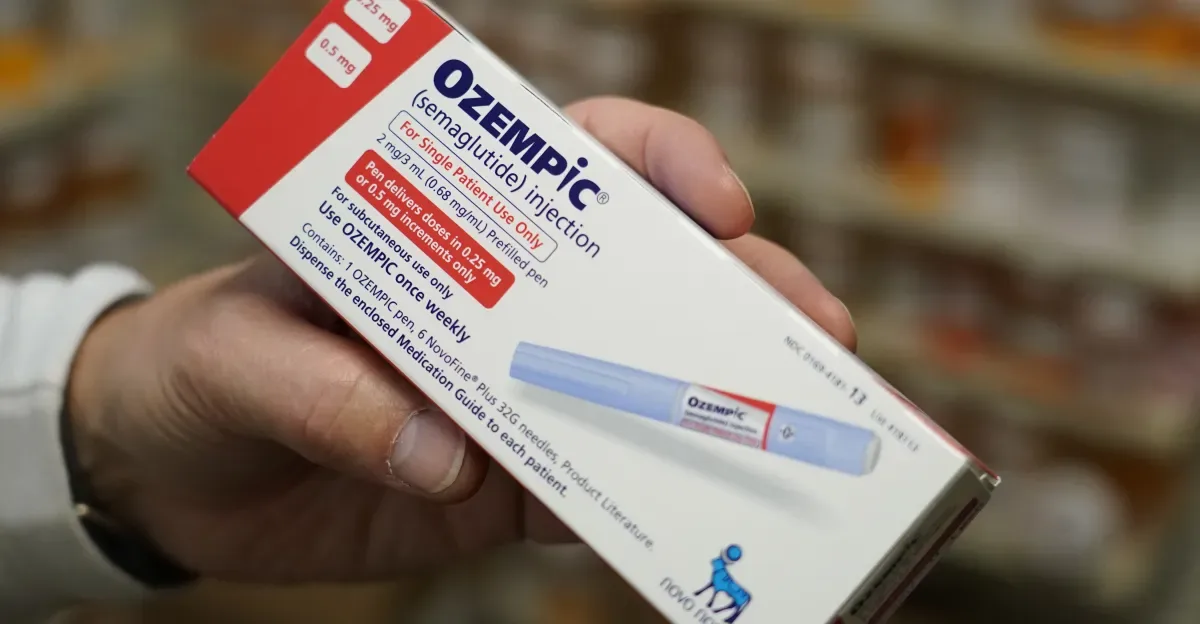

In a candid revelation that highlights potential GLP-1 side effects, Jelly Roll's wife, Bunnie Xo, experienced a "horrific" and unexpected reaction while taking a GLP-1 medication late last year. The Dumb Blonde podcast host shared her story in a PEOPLE interview published Friday, detailing a "bout of suicidal ideation" linked to the popular drugs often used for weight loss or Type 2 diabetes management. This personal account underscores the importance of monitoring mental health when starting GLP-1 therapies.
Bunnie Xo's Terrifying Experience with GLP-1 Side Effects
"That was one of the darkest times of my life and it was scary," Bunnie told the outlet. She explained that before her experience in December 2025, "I prided myself on the fact that I only had anxiety. I never had depression. So when you get slammed with suicidal ideation and visions and just, oh, it was horrific."
"You want to have anxiety because you want to be scared to die. You don't want to have depression because you literally don't care if you want to die. So yeah, it was really dark."
The author of the upcoming memoir Stripped Down: Unfiltered and Unapologetic continued, "Honestly, I just went through a bout of suicidal ideation from using a GLP-1, which, I really think people need to talk more about this. I just told them, I said, 'I haven't had suicidal ideation like this since 2020.' That's how bad it was."
Bunnie noted that while she is "good now," December was "a rough month" for her mental health. Her story brings attention to how GLP-1 side effects can unexpectedly impact emotional well-being, even in those without prior depression history.
What Are GLP-1 Medications and How Do They Work?
GLP-1 receptor agonists, or GLP-1 medications, mimic the glucagon-like peptide-1 hormone to regulate blood sugar, slow digestion, and reduce appetite. Commonly prescribed brands include semaglutide (Ozempic, Wegovy) and tirzepatide (Mounjaro, Zepbound), primarily for Type 2 diabetes and chronic weight management.
These drugs promote insulin release when blood sugar is high, suppress glucagon (which raises blood sugar), and signal fullness to the brain. While effective for metabolic health, their influence on the central nervous system—via gut-brain signaling—may contribute to varied side effects, including those affecting mood.
Common Uses and Who Might Benefit
- Type 2 Diabetes: Helps control blood glucose levels.
- Weight Loss: Supports sustained reduction in body weight by curbing hunger.
- Metabolic Health: Improves insulin sensitivity in prediabetic or obese individuals.
Bunnie's case reflects a real-world scenario: with parents who both had diabetes and her own "insulin numbers...really crazy," she turned to GLP-1 hoping for health benefits. "I wish I could be part of the cool crowd and be skinny and freaking not have a care in the world," she shared, but noted her "body just cannot tolerate it."
Mental Health Risks: Suicidal Ideation as a GLP-1 Side Effect
Suicidal ideation, intrusive thoughts about self-harm or death, emerged as Bunnie's most alarming GLP-1 side effect. Though not universal, reports of mood changes, anxiety intensification, or depressive symptoms have surfaced among users. Rapid physiological shifts—like significant weight loss or blood sugar fluctuations—might exacerbate underlying vulnerabilities or trigger neurotransmitter imbalances.
Precision tracking for your journey
Join thousands using Shotlee to accurately track GLP-1 medications and side effects.
📱 Get the Shotlee App
Track your GLP-1 medications, peptides, and health metrics on the go with our mobile app!
Why This Side Effect Matters
GLP-1 drugs cross the blood-brain barrier to some extent, potentially affecting serotonin and dopamine pathways involved in mood regulation. For patients like Bunnie, transitioning from anxiety-only to full depression was shocking. Clinicians emphasize baseline mental health screening before starting these therapies, as individual responses vary widely.
Bunnie's experience aligns with calls for greater awareness: patients should report any new or worsening mood symptoms immediately, as these can resolve upon discontinuation but require prompt intervention.
Bunnie's Health Background and Decision to Try GLP-1
With a family history of diabetes—both parents diabetic—Bunnie proactively sought GLP-1 for metabolic support. Her elevated insulin levels signaled insulin resistance, a precursor to Type 2 diabetes, making these medications a logical choice. However, tolerability issues halted her progress, highlighting that not everyone responds ideally.
Comparing GLP-1 to Alternatives
- Metformin: First-line diabetes drug; fewer GI side effects but less weight loss impact.
- SGLT2 Inhibitors: Promote glucose excretion via urine; heart and kidney benefits with milder GI issues.
- Lifestyle Interventions: Diet and exercise remain foundational, often combined with meds.
Discussing options with a healthcare provider ensures the best fit, weighing efficacy against risks like those Bunnie faced.
Safety Considerations and Common GLP-1 Side Effects
Beyond mental health concerns, GLP-1 medications carry risks like nausea, vomiting, diarrhea, and gallbladder issues. Rare but serious effects include pancreatitis or thyroid tumors in animal studies. Bunnie's story spotlights the need for vigilance on psychological impacts.
Practical Guidance for Patients
- Start Low, Go Slow: Begin with minimal doses to assess tolerance.
- Monitor Mood Daily: Track changes in anxiety, depression, or ideation; apps like Shotlee can help log symptoms and medication schedules discreetly.
- Consult Professionals: Inform your doctor of mental health history; consider therapy alongside meds.
- Have a Support Plan: Share your regimen with loved ones for accountability.
Bunnie Xo's Message of Hope and Resilience
The wife of the Grammy Award-winning country star ended on an uplifting note for those facing dark thoughts: "I just want people to know you're not alone. Everybody goes through ups and downs and you are worth staying here. Please stay. Everybody, please stay because you're here for a reason and you're going through this, but do not make a permanent decision based on a temporary emotion because it will go away."
Key Takeaways: What This Means for GLP-1 Users
- Bunnie Xo's suicidal ideation was a severe, temporary GLP-1 side effect tied to her December 2025 experience.
- Family diabetes history and insulin issues prompted her use, but intolerance led to discontinuation.
- Open dialogue on mental health risks is crucial; symptoms resolved after stopping the drug.
- Patients should prioritize monitoring and professional guidance for safe GLP-1 therapy.
Conclusion: Prioritizing Whole-Person Health on GLP-1
Bunnie Xo's story preserves her raw narrative while reminding us that GLP-1 benefits come with risks demanding attention. For metabolic health seekers, weigh these against personal factors, track progress diligently, and seek help without hesitation. Consult your doctor to tailor therapy, ensuring physical gains don't compromise mental well-being. Her plea to "stay" echoes as actionable wisdom for anyone navigating similar challenges.