
Belly Fat Linked to Brain Aging, While Muscle Mass Keeps Brains Young
Science is continually uncovering new connections between lifestyle factors and brain aging processes. The traditional view of the brain as an isolated organ, shielded from the rest of the body, is evolving.
Research consistently demonstrates that our physical characteristics influence the mind's inner workings more profoundly than previously thought.
A recent study provides compelling imaging evidence reinforcing this concept. The findings indicate that muscle mass and hidden fat may exert subtle yet significant effects on maintaining brain youthfulness.
The study highlights a straightforward correlation. Individuals exhibiting greater muscle mass and reduced hidden belly fat demonstrate a younger brain age, as indicated by MRI scans.
Hidden fat, located near vital organs, significantly impacts metabolism. It can trigger inflammation and elevate health risks.
Subcutaneous fat, found beneath the skin, behaves differently and does not exhibit the same detrimental pattern. The work emphasizes that not all fat has the same effect.
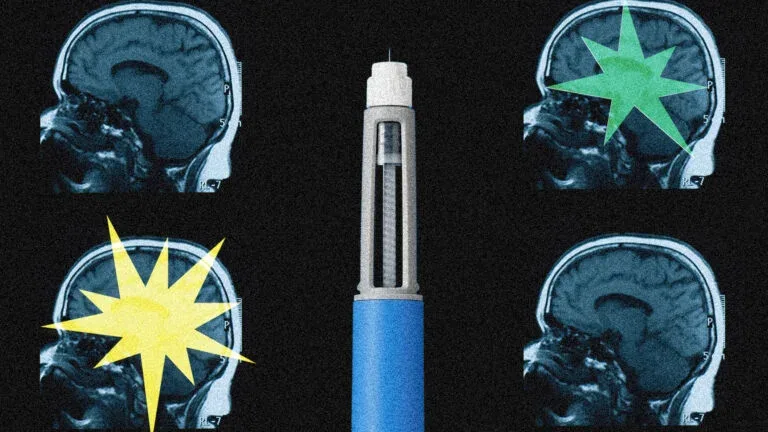
Researchers examined these characteristics in healthy adults, using whole-body MRI to obtain detailed images of muscle, fat, and brain tissue.
The results established a clear and repeatable association between body composition and brain aging.
This connection contributes to an expanding field investigating the influence of metabolic health on cognitive function. It also underscores the importance of strength and body composition beyond mere aesthetics. Health tracking apps like Shotlee can help monitor body composition changes.
Dr. Cyrus Raji from the Washington University School of Medicine is the senior author of the study.
"Healthier bodies with more muscle mass and less hidden belly fat are more likely to have healthier, youthful brains. Better brain health, in turn, lowers the risk for future brain diseases, such as Alzheimer's," said Dr. Raji.
Brain age reflects the apparent age of the brain compared to extensive imaging datasets. A lower estimate may indicate healthier neural structure.
Numerous teams now utilize brain age in studies concerning aging, memory decline, and disease risk. This tool aids researchers in monitoring subtle changes that standard tests might overlook.
"While it is commonly known that chronological aging translates to loss of muscle mass and increased hidden belly fat, this work shows that these health measures relate to brain aging itself," Dr. Raji said.
"It shows muscle and fat mass quantified in the body are key reflectors of brain health, as tracked with brain aging."
The study involved over 1,000 adults across four research centers. Their average age was in the mid-fifties, but brain age varied considerably.
Precision tracking for your journey
Join thousands using Shotlee to accurately track GLP-1 medications and side effects.
📱 Get the Shotlee App
Track your GLP-1 medications, peptides, and health metrics on the go with our mobile app!
Whole-body MRI was used to assess each participant's muscle volume, visceral fat, and subcutaneous fat. T1-weighted images provided clear differentiation of these tissues. An AI model subsequently analyzed the scans to estimate each individual's brain age.
The AI system evaluated patterns across the entire scan rather than focusing on a specific region. This comprehensive approach revealed the connection between body composition and brain structure.
Individuals with greater muscle mass tended to exhibit younger-appearing brains. Those with more hidden fat relative to muscle tended to exhibit older-appearing brains.
"The participants with more muscle tended to have younger looking brains, while those with more hidden belly fat relative to their muscle had older looking brains," Dr. Raji said. "The fat just under the skin wasn't related to brain aging."
These findings are significant because these traits are modifiable. Muscle mass increases with strength training, while hidden fat decreases with targeted lifestyle modifications.
These changes can occur throughout adulthood, making them attainable goals. MRI and AI tools offer precise methods for tracking these changes in future studies, transforming muscle and fat measurements into definitive indicators of brain health.
"This research has validated widely held hypotheses about the association between body composition biomarkers and brain health," Dr. Raji said.
The researchers also noted that these markers can support studies on metabolic therapies.
Experts can create programs that reduce hidden fat without compromising muscle mass. Over time, this could inform strategies for preventing cognitive decline.
The study also has implications for future weight-loss drugs. GLP-1 medications remain very popular, but they can reduce muscle along with fat – a combination that could impact long-term brain health.
The new results suggest that the ideal therapy would target hidden visceral fat while preserving muscle.
"Losing fat, especially visceral fat, while preserving muscle volume would have the best benefit on brain aging and brain health, based on insights from our work," Dr. Raji said.
This concept may influence the development of next-generation treatments. New drugs could target harmful fat more precisely. AI-based imaging could help doctors monitor how the body responds.
These tools pave the way for more personalized care, where body shape becomes an early indicator of brain risk.
The research is published by the Radiological Society of North America (RSNA).