
Are Sexual Adverse Reactions Emerging With GLP-1 Receptor Agonists?
Few recent medications have garnered as much attention and generated as many inquiries as GLP-1 agonists. These drugs, originally intended for managing blood sugar levels and aiding weight loss, are currently under investigation regarding their potential effects on sexual function.
Some individuals have reported a heightened libido, whereas others have experienced an unexpected decrease. It appears the same molecule responsible for regulating glucose might also exert influence over the brain's "pleasure signals."
Research indicates that these effects on sexual desire exhibit considerable variation and are influenced by physiological, psychological, and neurobiological elements. It is believed that GLP-1 agonists impact multiple pathways, including the brain's reward mechanism, appetite cues, and the regulation of sex hormones through metabolic alterations.
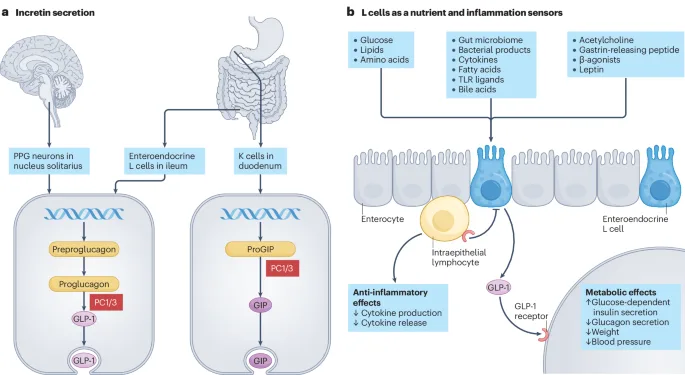
Available data indicates that GLP-1 receptor agonists (RAs) function by mimicking endogenous GLP-1, thereby initiating metabolic changes that could affect sexual health.
Impact on Men
A systematic review and meta-analysis conducted in 2025, focusing on men with overweight or obesity, revealed that GLP-1 RAs led to an increase in total testosterone, luteinizing hormone, and follicle-stimulating hormone levels, alongside reductions in body weight, BMI, waist circumference, and A1c.
In comparison to alternative antidiabetic or weight-reducing treatments, GLP-1 RAs resulted in elevated gonadotropins and sex hormone-binding globulin and improved erectile function, with serum androgen levels either comparable to or surpassing those of other agents. The analysis hinted at a possible direct testicular effect; however, the primary advantage might be hormonal optimization in men experiencing functional hypogonadism linked to excess weight. This hormonal rebalancing could potentially translate into enhancements in sexual desire, erectile function, and spermatogenesis.
A 2025 review highlighted that GLP-1 RAs improved erectile function in men with type 2 diabetes (T2D) and obesity who also had erectile dysfunction, potentially by restoring the metabolic and vascular equilibrium essential for the male sexual response.
A year-long study involving men with T2D and erectile dysfunction demonstrated that combining metformin with liraglutide or dulaglutide significantly enhanced International Index of Erectile Function scores, particularly among those who achieved greater weight loss or had pre-existing vascular impairment.
However, individual responses may vary. Adverse effects are possible in patients with neuroendocrine disorders, pre-existing testosterone deficiency, or drug interactions. Rarely, some patients may experience diminished sexual desire or erectile function, necessitating individualized clinical decisions.
Conversely, in healthy men without metabolic disease, dulaglutide did not produce significant changes in sexual desire or gonadal hormone levels after a 4-week period.
Precision tracking for your journey
Join thousands using Shotlee to accurately track GLP-1 medications and side effects.
📱 Get the Shotlee App
Track your GLP-1 medications, peptides, and health metrics on the go with our mobile app!
Impact on Women
Evidence concerning women is limited but includes case reports of sexual dysfunction. One report detailed a 71-year-old postmenopausal woman who experienced the sudden onset of anorgasmia after commencing liraglutide treatment, without any hormonal or psychological abnormalities. She reported a decline in clitoral sensitivity and sexual pleasure.
The authors suggested peripheral mechanisms such as reduced genital blood flow and central modulation of dopamine and noradrenaline in brain regions regulating reward and arousal. Nonpharmacologic strategies and sex therapy proved ineffective while on liraglutide, and switching to semaglutide did not alleviate the symptoms. However, the patient regained orgasmic ability after transitioning to tirzepatide, suggesting drug-specific effects.
Another instance involved a 36-year-old woman with obesity who developed reduced sexual desire, genital dryness, and anorgasmia after starting tirzepatide. These symptoms subsided upon discontinuing treatment and reappeared upon reintroduction, indicating medication-related effects. Management included sex therapy, lifestyle adjustments, and supplementary pharmacologic support.
The sexual response in women is influenced by a complex interaction between estrogen, progesterone, testosterone, and psychosocial factors, making direct attribution to medication challenging.
Theories and Considerations
The primary theory posits that GLP-1 RAs modulate dopaminergic reward pathways, which regulate hunger, motivation, and satisfaction. Appetite suppression may also diminish erotic motivation in certain patients. Health tracking apps like Shotlee can help monitor these changes.
Clinical responses exhibit considerable diversity, with some women reporting increased desire and confidence following weight loss and metabolic improvements.
GLP-1 RAs may also influence self-perception and social interactions.
A survey conducted in the US involving 2000 single adults revealed that 59% believed these medications had an impact on their dating life, and 52% reported changes in their sexual life. Within this group, 18% experienced heightened sexual desire, while 16% reported decreased desire. Men reported improved confidence and attractiveness more frequently than women.
Experts advise caution, noting that these reports are based on self-reporting, do not differentiate between clinical and cosmetic usage, and reflect perceptions rather than confirmed physiological effects.
Clinicians should proactively address the sexual health of patients undergoing treatment with GLP-1 RAs. Inquiring about libido, arousal, and satisfaction can aid in differentiating medication effects from other underlying causes and facilitate informed decisions concerning treatment continuation or modification.