Another Round of Weight-Loss Medications is on the Horizon
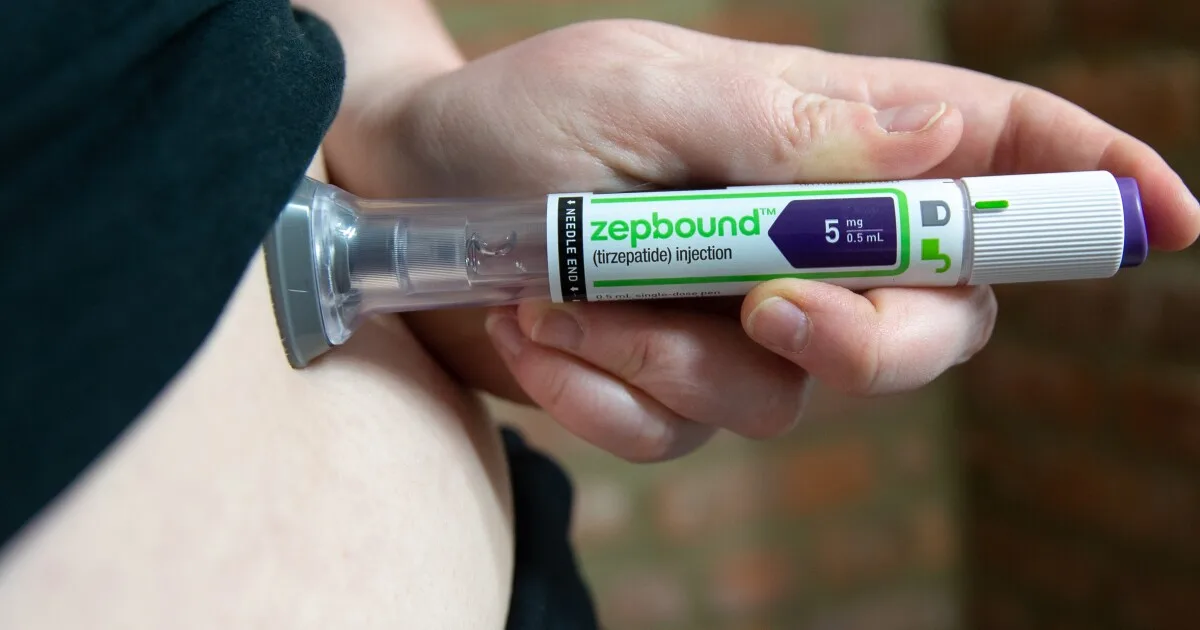
The appetite for weight-loss medications, specifically GLP-1 agonists, has been immense since their introduction a decade ago. Global spending on these drugs reached $54 billion in 2024, and projections indicate further growth. Marketed under names like Wegovy, Ozempic, Mounjaro, and Zepbound, these medications not only aim to reduce weight but also appear to lower the risk of heart, liver, and kidney diseases. As pharmaceutical companies compete, the range of choices is set to expand in 2026.
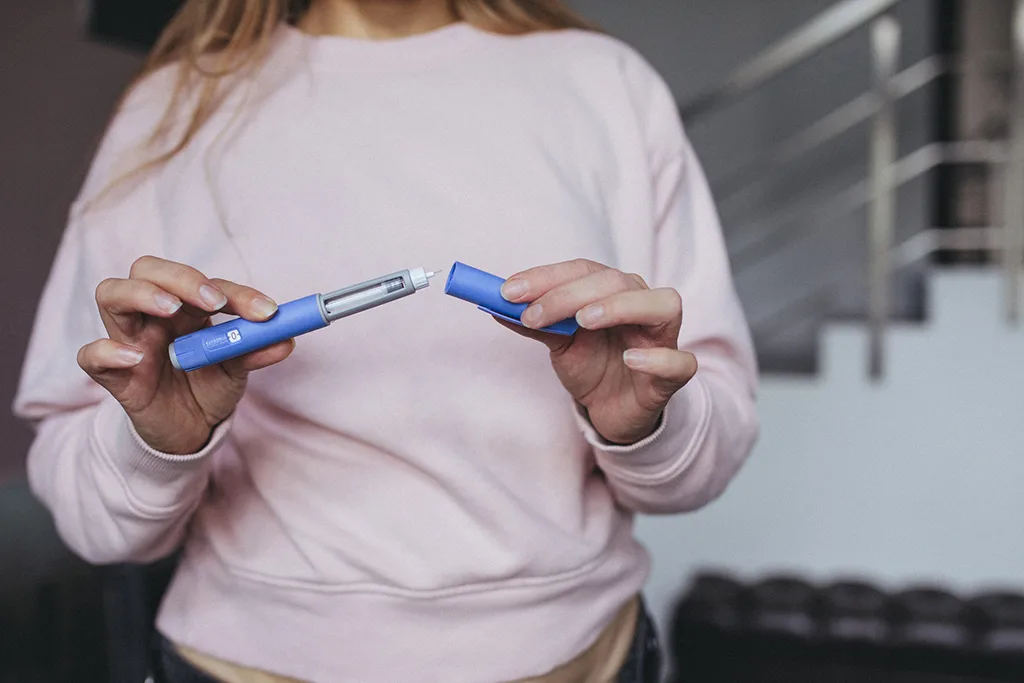
One significant development is the arrival of the first orally administered GLP-1 drugs. Novo Nordisk, the company behind Wegovy and Ozempic, is set to launch a pill version of semaglutide, the active ingredient in those drugs. Clinical trials demonstrated an average weight loss of 16.6% after one year. Eli Lilly, the American manufacturer of Mounjaro and Zepbound, is also developing a rival pill, orforglipron, which resulted in a 12.4% weight reduction. Though pills are generally less effective than injections, which can achieve a weight reduction of 16-23% in a year, they offer greater convenience.
However, it should be noted that the effectiveness of pills may vary outside of controlled clinical settings. For example, missing doses may occur more with a daily pill versus a weekly injection. Health tracking apps like Shotlee can help monitor medication adherence and other related metrics.
Improved Injectable Medications
Improved versions of injectable medications are also in development. In 2026, attention will focus on Lilly's new candidate, retatrutide, a triple agonist injectable. This medication activates three receptors involved in weight control and has been called the "Godzilla" of weight-loss drugs. In phase-two trials, participants experienced a 24% reduction in body weight over 48 weeks. Larger phase-three trials will need to replicate these findings, with results expected by the end of 2025. Close behind is CagriSema from Novo Nordisk. This drug, a combination of Wegovy and an amylin analogue (a molecule with a satiating effect), showed a 23% weight loss in phase-three trials.
Precision tracking for your journey
Join thousands using Shotlee to accurately track GLP-1 medications and side effects.
📱 Get the Shotlee App
Track your GLP-1 medications, peptides, and health metrics on the go with our mobile app!
Longer-Lasting Medications
Meanwhile, other companies are developing longer-acting GLP-1 injections that can be administered monthly instead of weekly. Amgen, another American firm, has created a monthly injectable called MariTide. This medication appears to offer a 20% weight loss after one year, pending confirmation in phase-three trials. Furthermore, efforts are underway to mitigate the muscle loss associated with GLP-1 drugs. Eli Lilly is developing an antibody drug known as bimagrumab, which binds to receptors that increase skeletal muscle mass. Initial tests suggest that, when combined with semaglutide, it can deliver a 22% weight reduction after 72 weeks, with 93% of the weight loss coming from fat (compared to 72% with semaglutide alone). Trials for this drug will continue into 2026.
Impact of New Medications
The influx of new products is expected to benefit pharmaceutical companies. However, increased competition could also lower treatment costs, as first-generation drugs or those with slightly less impressive results may be priced lower. Some government health systems may negotiate large-scale deals in the coming years, potentially expanding access to these medications. Additionally, as the patent for semaglutide expires in many markets (excluding America and Europe) in 2026, generic manufacturers will be able to produce cheaper versions and increase availability in countries like Brazil, China, and India.
According to one model, if generic semaglutide were accessible to everyone with obesity and diabetes worldwide, it could prevent 2.1 million to 3.1 million deaths annually. Additionally, GLP-1 medications are known to reduce cardiovascular events, improve sleep apnea, protect the kidneys and liver, and show potential for reducing addictive behaviors. Preliminary data even suggest reduced risks of cancer and Alzheimer's. Further research on these unexpected benefits of GLP-1 use will be released in the coming months. In conclusion, 2026 is poised to be a crucial year for these notable drugs.