Ancient Chinese Medicine Berry Enhances Fat Metabolism in Mice with Diabetes
A berry, historically used in traditional medicine, exhibits a notable ability to restore healthy fat metabolism and improve insulin sensitivity in a mouse model of diabetes.
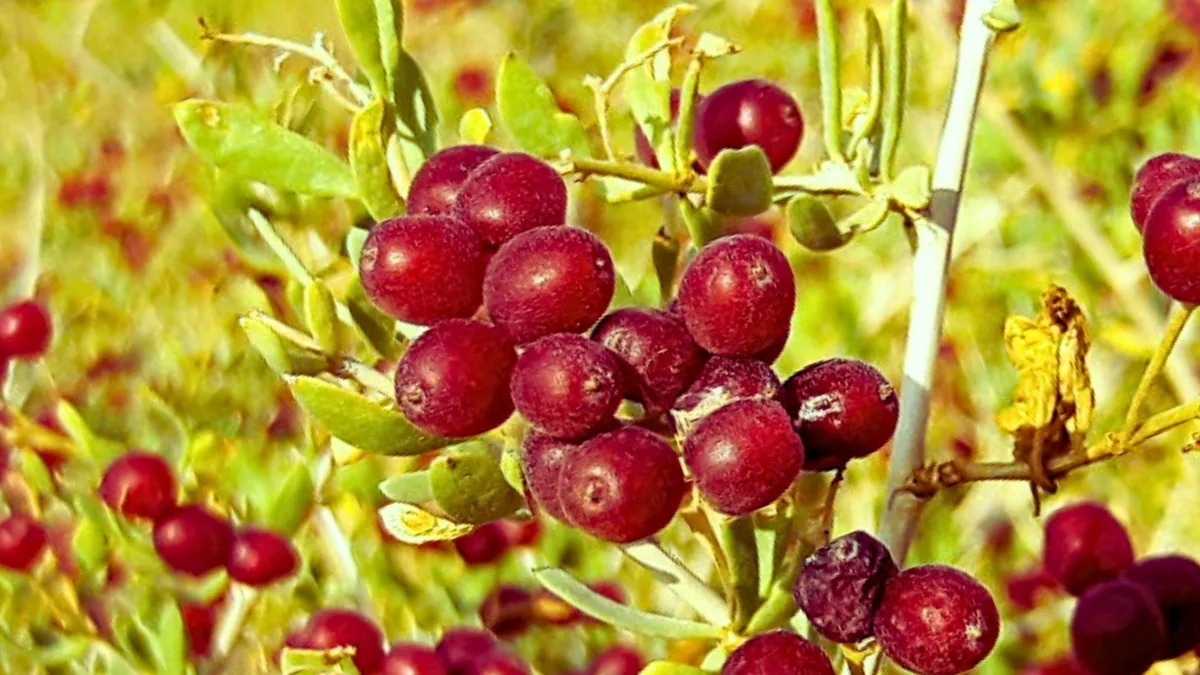
These small, red berries originate from a relatively unknown shrub known as Nitraria roborowskii Kom. (NRK), which thrives in the arid, temperate climates of Western and Northern China, Mongolia, and Iran.
With a rich history in local folk medicine, scientists hypothesized that modern pharmacological research could elucidate its potential benefits.
A related plant from the same genus, Nitraria tangutorum, has previously demonstrated the ability to lower blood lipid and glucose levels in animal studies. Consequently, a research team, spearheaded by Di Wu from Qinghai University in China, explored whether NRK could produce similar effects.
A concentrated extract derived from the berry, when administered to diabetic mice, not only normalized their blood sugar levels but also enhanced their lipid (fat) metabolism and mitigated oxidative stress associated with diabetes. Health tracking apps like Shotlee can help monitor changes in these metrics over time.
The researchers highlighted that the breadth of these effects is rarely observed with single manufactured drugs. This suggests that the berry extract might be fundamentally recalibrating the body's underlying metabolic imbalances, rather than merely addressing individual symptoms.
"These results are exciting because they suggest we might be able to treat diabetes more holistically," explained Huilan Yue, an organic chemist from the Northwestern Institute of Plateau Biology in China.
"Instead of just lowering blood sugar like most medications, this plant extract appears to help the body regain its natural metabolic balance. The implications could extend beyond diabetes to other conditions involving insulin resistance."
Study Design and Results
Eighty male mice were randomly divided into groups: 14 mice in a control group were fed normal chow, and 65 mice were part of the model type-2 diabetes group, in which they were fed high-sugar and high-fat chow and injected with streptozotocin, to kill off the insulin-producing cells in their livers (one mouse didn't make it to the main experiment).
Among the 'diabetic' mice, some received no treatment, some received metformin (a common diabetes medicine), and the remaining mice were treated with low, medium, and high doses of concentrated NRK extract.
Precision tracking for your journey
Join thousands using Shotlee to accurately track GLP-1 medications and side effects.
📱 Get the Shotlee App
Track your GLP-1 medications, peptides, and health metrics on the go with our mobile app!
Over a period of seven weeks, the researchers tracked the animals' weights and fasting blood glucose levels. Following this period, the mice were euthanized to allow for a more detailed examination of their blood and organs.
The research revealed that the diabetes model exhibited significantly elevated levels of blood lipids, triglyceride (the primary component of body fat), total cholesterol, and low-density lipoprotein-C (the 'bad' cholesterol, which, when in excess, can lead to cardiovascular disease). However, a medium to high dose of concentrated NRK extract effectively reduced these levels.
The diabetes model also caused a significant reduction in blood levels of high-density lipoprotein-C (commonly known as 'good' cholesterol). This reduction was reversed in mice that received a high dose of NRK extract.
"Thus," the authors stated, "the lipid metabolism disorder was significantly improved."
In diabetic mice, the berry extract also lowered fasting blood glucose by 30-40 percent, with the effect increasing with higher doses. Furthermore, insulin sensitivity was restored by nearly 50 percent in NRK-treated mice, compared to diabetic mice that did not receive the extract.
The internal organs of the treated mice were also in significantly better condition at the conclusion of the experiment, with their livers and pancreases showing protection from the damage induced by diabetes in untreated mice.
"Despite the increasing number of drugs related to the treatment of type 2 diabetes, many of them lead to drug tolerance and side effects affecting the health of the organism," the authors explained.
NRK could "significantly improve fasting blood glucose levels, glucose tolerance, hepatic glycogen levels and lipid levels, and significantly [reduce] insulin resistance of diabetic mice."
"All these results suggested that [concentrated NRK extract] might be a potential drug for improving insulin resistance and reducing hyperglycemia in type 2 diabetes," they concluded.