In a move to update their iconic line for today's diverse world, American Girl has released new dolls with noticeably slimmer figures, prompting social media users to dub it an 'Ozempic makeover.' While the company touts the changes as representing 'modern era' body types, the reaction has been largely negative, with critics arguing it promotes unrealistic thinness amid the rise of GLP-1 medications like Ozempic for weight loss.
The Controversy Surrounding the Doll Redesign
The core issue centers on American Girl's 'Just Like Me' dolls, designed to mirror children's diverse appearances. However, the slimmer waists, narrower hips, and more angular faces have led to widespread comparisons to the effects of semaglutide-based drugs like Ozempic and Wegovy. Social media posts highlight before-and-after images, with captions like 'Ozempic arms and faces on dolls now?' fueling the backlash.
Parents and body positivity advocates express concern that the makeover reinforces diet culture at a time when pediatric obesity rates are rising. The redesign preserves the dolls' playability but shifts away from the fuller figures of past models, sparking debates on whether this reflects health progress or societal pressure.
Why 'Ozempic'? Understanding the Cultural Reference
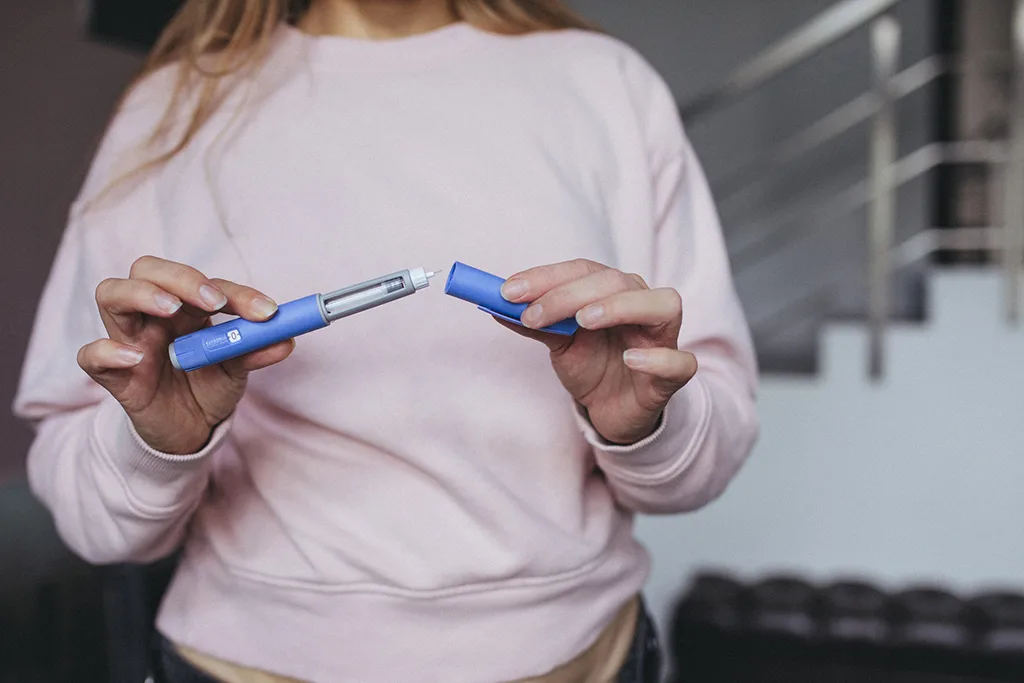
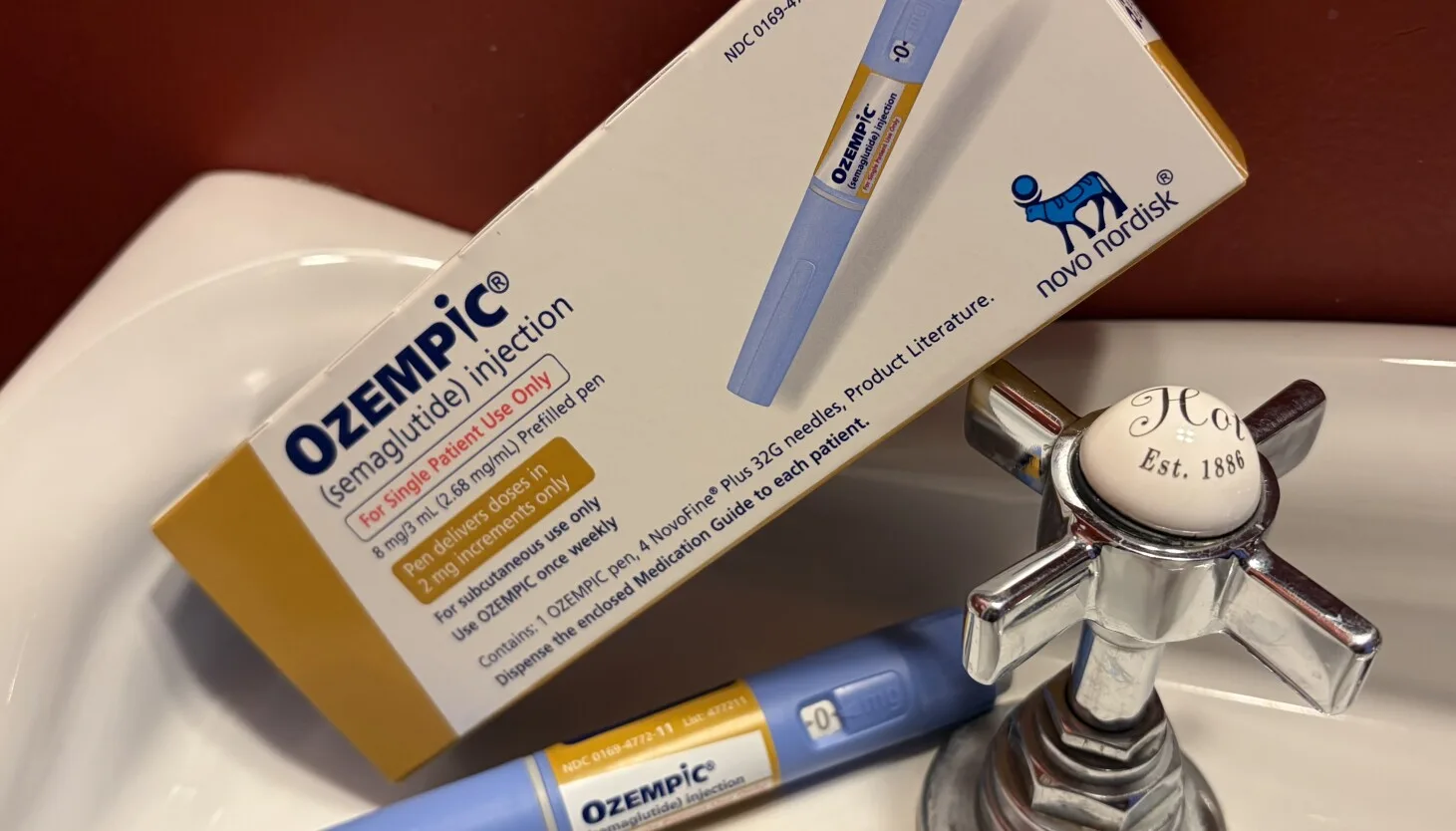
Ozempic (semaglutide) is a GLP-1 receptor agonist originally approved for type 2 diabetes but widely used off-label for weight loss. Its popularity exploded due to significant fat reduction, particularly in facial areas—leading to the 'Ozempic face' phenomenon of gaunt cheeks and sagging skin. The dolls' new look mirrors this: less rounded features and leaner proportions, tying directly into metabolic health trends.
How GLP-1 Medications Like Ozempic Work
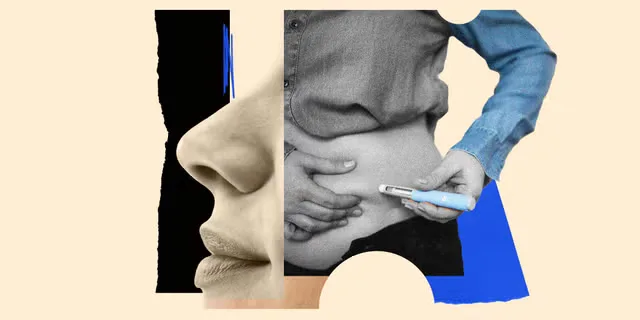
GLP-1 drugs mimic glucagon-like peptide-1, a hormone that regulates blood sugar and appetite. They slow gastric emptying, signal fullness to the brain, and reduce calorie intake. Clinical use shows average weight loss of 15-20% body weight over a year in obese patients, making them a cornerstone of peptide therapy for metabolic health.
For patients, this means better glycemic control and cardiovascular benefits alongside weight reduction. However, the mechanism explains the doll comparisons: rapid visceral and subcutaneous fat loss alters body contours dramatically.
Ozempic vs. Alternatives in Weight Management
Compared to older options like phentermine or bariatric surgery, GLP-1s offer sustained results with fewer stimulants. Wegovy, a higher-dose semaglutide, is FDA-approved specifically for obesity. Tirzepatide (Mounjaro/Zepbound), a dual GLP-1/GIP agonist, may outperform with up to 22% weight loss. These peptides represent advanced metabolic therapy, but accessibility varies by insurance.
- Ozempic: Weekly injection, diabetes-focused
- Wegovy: Higher dose for chronic weight management
- Mounjaro: Dual-action for faster results
Public Reaction: Why People Are Not Impressed
Social media erupts with memes and critiques, viewing the dolls as endorsing 'Ozempic culture' over inclusivity. Influencers argue it undermines American Girl's history of positive representation, especially as GLP-1 use surges among celebrities. Hashtags like #OzempicDolls trend, with calls for fuller, varied body types.
Supporters see it as realistic: modern children encounter slimmer media ideals, and metabolic health awareness is key. Yet, the dominant sentiment echoes the original coverage—people are not impressed, fearing it glamorizes pharmaceutical weight loss for kids.
Precision tracking for your journey
Join thousands using Shotlee to accurately track GLP-1 medications and side effects.
📱 Get the Shotlee App
Track your GLP-1 medications, peptides, and health metrics on the go with our mobile app!
Safety and Side Effects of GLP-1 Therapy
While effective, GLP-1 medications carry risks relevant to the cultural discourse. Common side effects include nausea, vomiting, diarrhea, and constipation, often improving over time. Rare concerns: pancreatitis, gallbladder issues, and thyroid tumors in rodents (human risk unclear). 'Ozempic face' prompts fillers or skincare for some.
Long-term data supports safety for approved uses, but monitoring is essential. Patients on peptides should track hydration, nutrition, and muscle mass to avoid sarcopenia.
Apps like Shotlee can help users log side effects, symptoms, and dosing schedules for better management during GLP-1 therapy.
Who Should Consider GLP-1 Medications?
Ideal candidates: Adults with BMI ≥30 (or ≥27 with comorbidities) unresponsive to lifestyle changes. Discuss with providers: family history, GI issues, or pregnancy plans. Pediatric use is investigational; not routine for kids despite doll-inspired debates on youth obesity.
Body Image, Metabolic Health, and Doll Representation
The doll controversy underscores tensions between health interventions and aesthetics. GLP-1s address obesity—a metabolic crisis affecting 42% of U.S. adults—but rapid changes fuel appearance anxiety. Dolls could educate on balanced wellness: pair slimmer designs with stories of strength, nutrition, and activity.
American Girl's intent aligns with metabolic health goals, yet execution misses body diversity. Future lines might integrate varied sizes to reflect real peptide therapy outcomes: healthier, not just thinner.
Practical Guidance for Patients and Parents
For GLP-1 users:
- Start low-dose to minimize GI upset
- Combine with diet/exercise for muscle preservation
- Monitor for 'Ozempic face' and consider dermatology
For parents buying dolls: Use as teachable moments on health vs. looks. Discuss metabolic health openly.
Shotlee offers a subtle way to track medication adherence or child wellness metrics if exploring family peptide options.
Key Takeaways: What This Means for Metabolic Health
- American Girl's 'Ozempic' makeover highlights GLP-1's cultural footprint on body ideals.
- Ozempic excels in weight loss via appetite suppression and slowed digestion.
- Backlash emphasizes need for inclusive representations amid peptide therapy rise.
- Consult doctors for personalized GLP-1 guidance; prioritize sustainable health.
Conclusion
The American Girl Dolls 'Ozempic' makeover captures a pivotal moment in metabolic health discourse. While people remain unimpressed by the slimmer aesthetic, it spotlights GLP-1 medications' transformative potential. Patients seeking peptide therapy should weigh benefits against side effects, discussing with healthcare pros for optimal outcomes. Stay informed on evolving trends in weight management and body positivity.