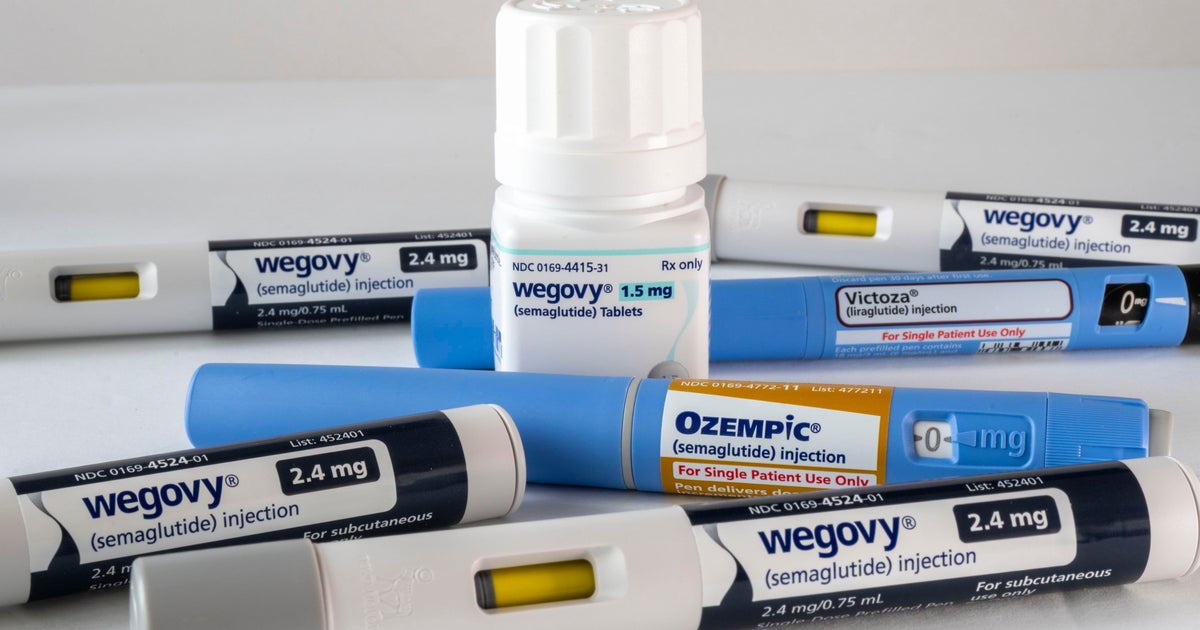
Abbott & Novo Nordisk Partner on Extensior Ozempic for Type 2 Diabetes in India
In a strategic collaboration addressing India's type 2 diabetes epidemic, Abbott has teamed up with Novo Nordisk India to commercialize Extensior, a second brand of the GLP-1 medication Ozempic. This partnership leverages Novo Nordisk's scientific leadership in GLP-1 treatments and Abbott's extensive distribution network to broaden access to effective type 2 diabetes management across the nation. As India faces a burgeoning diabetes crisis fueled by rapid urbanization and lifestyle changes, this initiative promises significant benefits including weight loss and cardiovascular risk reduction.
The Strategic Partnership: Abbott and Novo Nordisk Unite
Abbott teams up with Novo Nordisk India to introduce Extensior, specifically aimed at treating type 2 diabetes in India. The drug maker Abbott brings its distribution strength, ensuring the medication reaches more patients in diverse regions, while Novo Nordisk provides its expertise in GLP-1 receptor agonists like Ozempic (semaglutide).
This alliance is timely, as India's diabetes cases are expected to rise dramatically in the coming decades. By combining forces, the companies aim to make advanced therapies more accessible, addressing gaps in treatment availability that often leave patients reliant on less effective options.
Why This Collaboration Matters for Indian Patients
India has one of the world's largest populations with type 2 diabetes, with projections indicating further increases due to sedentary lifestyles, processed diets, and urban growth. Traditional treatments like metformin or insulin often fall short in achieving comprehensive control, particularly for weight management and heart health. Extensior steps in as a game-changing option, building on Ozempic's proven profile.
Understanding Extensior: Ozempic's Second Brand in India
Extensior is a variant of Ozempic, utilizing the same active ingredient, semaglutide, a GLP-1 receptor agonist. Administered as a once-weekly subcutaneous injection, it mimics the incretin hormone GLP-1, which is naturally released in response to meals.
How GLP-1 Medications Like Extensior Work
- Glucose-dependent insulin secretion: Stimulates insulin release only when blood sugar is elevated, reducing hypoglycemia risk.
- Glucagon suppression: Lowers glucagon levels to prevent excess glucose production by the liver.
- Gastric emptying delay: Slows digestion, promoting satiety and aiding weight loss.
- Brain signaling: Reduces appetite by acting on hypothalamic centers.
These mechanisms make Extensior particularly valuable for patients with type 2 diabetes who struggle with obesity, a common comorbidity in India.
India's Type 2 Diabetes Crisis: A Growing Public Health Challenge
The partnership comes as India grapples with a burgeoning diabetes crisis, with cases expected to rise dramatically due to rapid urbanization and lifestyle changes. Urban Indians are increasingly adopting high-calorie diets and low-activity routines, exacerbating insulin resistance and metabolic issues.
Key factors include:
- Genetic predisposition in South Asian populations.
- Rising obesity rates, with over 30% of adults affected.
- Limited access to advanced therapies in rural areas.
Extensior's introduction via this collaboration aims to mitigate these challenges by improving glycemic control, supporting weight loss, and reducing cardiovascular risks.
Key Benefits of Extensior for Type 2 Diabetes Management
Extensior offers significant benefits including weight loss and cardiovascular risk reduction, mirroring Ozempic's established efficacy. Clinical data on semaglutide shows average weight reductions of 10-15% over 68 weeks in trials like SUSTAIN, alongside A1C drops of 1.5-2%.