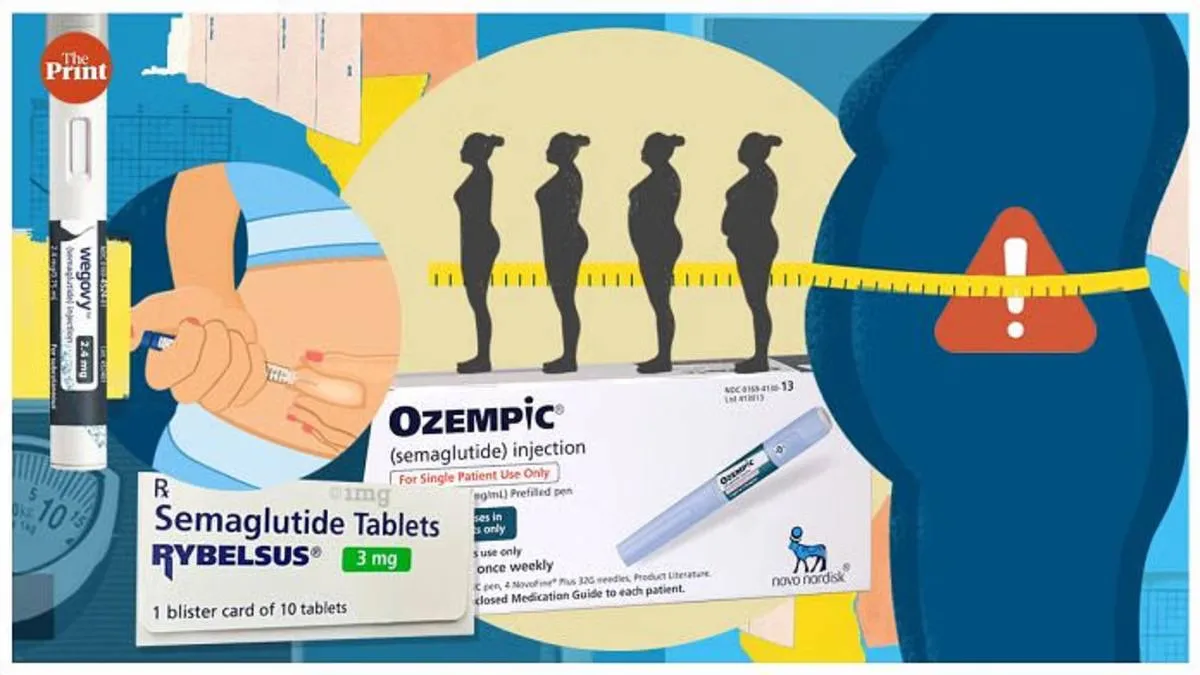

In a significant development for type 2 diabetes treatment in India, multinational Abbott has partnered with Novo Nordisk India to commercialize Extensior, a second brand of the globally popular diabetes drug Ozempic (semaglutide). This move marks the first time Abbott is marketing Ozempic under its own brand name, building on its existing distribution of both Ozempic and Wegovy in the country. As an industry insider noted, this partnership arrives amid heightened activity in the GLP-1 receptor agonist (GLP-1 RA) segment, driven by the impending patent expiry on semaglutide.
The Key Partnership Between Abbott and Novo Nordisk
Abbott's collaboration with Novo Nordisk focuses on bringing Extensior to market specifically for people living with type 2 diabetes. Novo Nordisk introduced Ozempic to India in December, positioning it as reportedly the world's most prescribed GLP-1 RA molecule. Separately, Novo Nordisk has inked a partnership with Emcure for a second brand of its weight-loss product Wegovy.
The semaglutide patent, which covers the active ingredient in both Ozempic and Wegovy, is set to lose protection later next month in many markets, including India. This expiry is expected to spur competition, potentially driving down prices. Abbott already distributes Ozempic and Wegovy in India, but Extensior represents a branded entry under Abbott's umbrella.
What is Extensior and How Does It Relate to Ozempic?
Extensior is developed and manufactured by Novo Nordisk but will be commercialized by Abbott. It utilizes the same active ingredient, semaglutide, a GLP-1 RA that mimics the glucagon-like peptide-1 hormone. This mechanism works by stimulating insulin secretion in response to meals, suppressing glucagon release, slowing gastric emptying, and promoting satiety, which contributes to both glycemic control and weight management.
Why does this matter for patients? Semaglutide has demonstrated powerful HbA1c reduction, compelling weight-loss benefits, and proven risk reduction of cardiovascular and kidney events in people with type 2 diabetes. These outcomes stem from large-scale clinical trials like SUSTAIN and PIONEER, which established semaglutide's efficacy beyond glucose lowering.
Dosing and Delivery: FlexTouch Pen Convenience
Extensior will be available in a FlexTouch pen, a once-weekly device offering precise dosing in 0.25 mg, 0.5 mg, and 1 mg dose strengths. For comparison, Novo Nordisk's Ozempic launch prices were: 0.25 mg at ₹2,200, 0.5 mg at ₹2,542, and 1 mg at ₹2,794 per week. While exact pricing for Extensior remains undisclosed, an industry source indicated it could be pegged lower than the originator's price, with further drops anticipated post-patent expiry.
- 0.25 mg: Starting dose for initiation.
- 0.5 mg: Common maintenance dose.
- 1 mg: Higher dose for optimized control.
Patients should consult healthcare providers to determine the appropriate starting dose, titrating gradually to minimize gastrointestinal side effects like nausea, which are common with GLP-1 RAs.
Clinical Benefits of Semaglutide in Type 2 Diabetes
Beyond glycemic control, semaglutide addresses multiple facets of type 2 diabetes. It lowers HbA1c by enhancing insulin sensitivity and reducing hepatic glucose production. Weight loss occurs through appetite suppression and delayed gastric emptying, often resulting in 5-15% body weight reduction in trials.
Cardiovascular benefits include a 26% relative risk reduction in major adverse cardiovascular events (MACE) as shown in the SUSTAIN-6 trial for Ozempic. Kidney protection is evidenced by reduced progression to macroalbuminuria and lower rates of renal events. These findings position semaglutide as a cornerstone therapy for patients with type 2 diabetes and comorbidities.
Precision tracking for your journey
Join thousands using Shotlee to accurately track GLP-1 medications and side effects.
📱 Get the Shotlee App
Track your GLP-1 medications, peptides, and health metrics on the go with our mobile app!
Safety Considerations for Patients
While effective, semaglutide carries risks such as pancreatitis, gallbladder issues, and thyroid C-cell tumors (in rodents; human risk unclear). Common side effects include nausea, vomiting, and diarrhea, typically transient. Monitoring is essential, especially for those with renal impairment. Tools like Shotlee can help patients track symptoms, side effects, or medication schedules alongside continuous glucose monitoring for better management.
India's Diabetes Landscape and Market Implications
India is home to more than 100 million individuals living with diabetes, second only to China. National diabetes-related expenditure exceeds $9.8 billion (₹88,000+ crore). With rising prevalence, accessible GLP-1 therapies like Extensior could transform management, particularly as patents expire and generics emerge.
This partnership aligns with Abbott's holistic diabetes approach, spanning medicines, diagnostics, continuous glucose monitoring, and nutrition. Compared to alternatives like DPP-4 inhibitors or SGLT2 inhibitors, GLP-1 RAs like semaglutide offer superior weight loss and CV benefits, though at higher costs historically.
Insights from Industry Leaders
"The launch of Extensior builds on Abbott's longstanding focus on holistic diabetes management -- from medicines to diagnostics, and from continuous glucose monitoring to diabetes‑specific nutrition. Developed and manufactured by Novo Nordisk, this brand will be commercialised by Abbott."
Kartik Rajendran, Managing Director, Abbott India Limited
"Semaglutide represents one of the most significant scientific advancements in diabetes care in recent decades. It has changed the way type 2 diabetes is managed, offering meaningful improvements in metabolic, renal and cardiovascular health."
Vikrant Shrotriya, Managing Director, Novo Nordisk India
Key Takeaways for Patients and Providers
- Abbott's Extensior provides a potentially more affordable Ozempic alternative post-patent expiry.
- Proven benefits: HbA1c reduction, weight loss, CV and kidney risk reduction.
- Discuss with your doctor if semaglutide fits your type 2 diabetes profile, especially with heart or kidney risks.
- Monitor dosing via FlexTouch pen; track progress with apps or journals.
- India's diabetes burden underscores the need for accessible therapies like this.
What This Means for Patients Considering GLP-1 Therapy
For those with type 2 diabetes, Extensior expands options amid growing evidence for GLP-1 RAs. Consult endocrinologists to weigh benefits against risks, integrate with lifestyle changes, and explore insurance coverage. As competition grows, affordability improves access in high-burden regions like India.
Published on February 27, 2026
In summary, Abbott's launch of Extensior as a second brand of Ozempic reinforces semaglutide's role in diabetes care, promising broader reach and potential cost savings for millions affected.