
A Simple Diet Mimics Ozempic Naturally, Helping You Feel Full
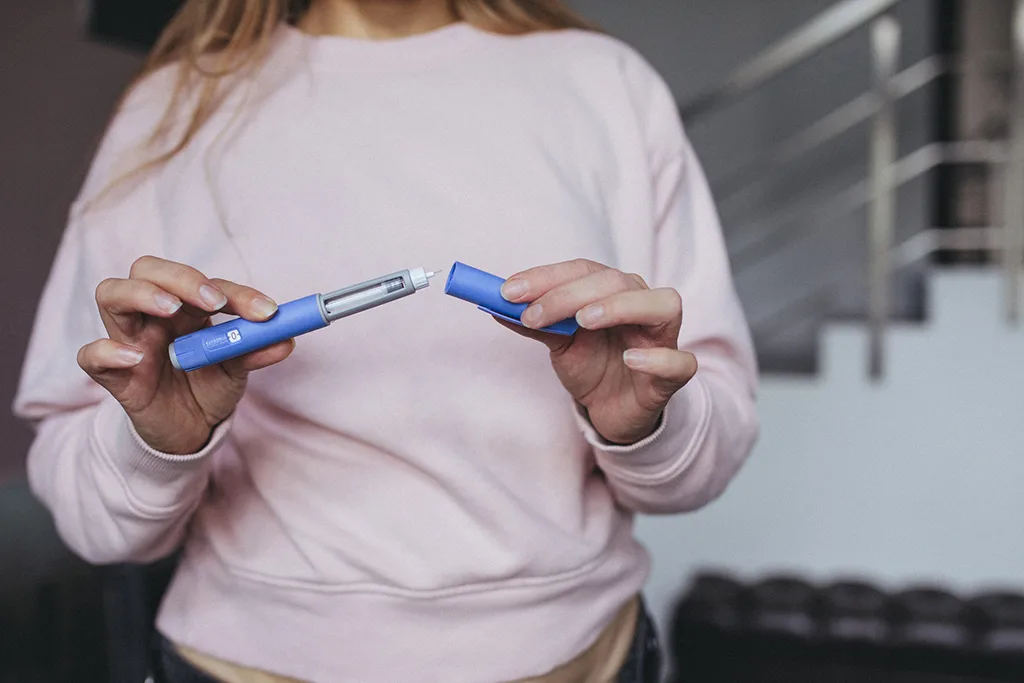
Instead of relying on prescriptions and needles, a growing trend involves using nutrition and lifestyle adjustments to encourage the body to produce more of its own natural 'Ozempic'.
The effectiveness of Ozempic and similar medications stems from their ability to mimic glucagon-like peptide-1 (GLP-1), a hormone naturally produced in the body.
GLP-1, which your body already creates, plays a crucial role in managing appetite, promoting feelings of fullness, and aiding metabolism. Having more GLP-1 makes it simpler to manage cravings and achieve weight loss.
However, weight-loss medications can be expensive, costing over $1,000 monthly, and necessitate weekly injections. Additionally, many users have reported unpleasant side effects such as vomiting, diarrhea, and even suicidal thoughts.
According to a KFF poll, approximately one in eight adults (12 percent) have reported using a GLP-1 inhibitor at some point. This includes the six percent of adults who are currently taking one of these drugs.
Increasingly, individuals are exploring natural methods to elevate hormone levels, using specific foods and gut-supporting habits to substantially enhance the frequency and amount of hormone released, thus harnessing its weight-loss potential. Health tracking apps like Shotlee can help monitor dietary changes and their impact on your body.
Fiber forms the basis of natural GLP-1 support.
Fiber encourages GLP-1 release, stabilizes blood sugar, and slows digestion, all contributing to fullness and effective weight management.
Fiber Options for Activating Your Body's Natural 'Ozempic'
- Garlic
- Onions
- Leeks
- Green Bananas
- Jerusalem artichokes
- Oats
- Cooked and cooled grains and potatoes
- Lentils
- Chickpeas
- Beans
- Apples
- Asparagus
- Root vegetables
- Prunes
High-fiber foods contribute volume to meals, promoting satiety while aiding in calorie management.
Prebiotic fibers, non-digestible carbohydrates, nourish beneficial gut bacteria. These bacteria break down prebiotics into short-chain fatty acids (SCFAs), which then signal the gut to release GLP-1 and peptide YY, another hormone that helps regulate appetite and promote fullness.
Foods rich in prebiotics include garlic and onions.
Resistant starch, a unique prebiotic fiber, avoids digestion in the small intestine and reaches the large intestine intact. Here, it feeds gut bacteria, resulting in SCFA production. This process encourages the release of GLP-1 and PYY, fostering fullness and aiding calorie control.
Good sources of resistant starch are cooked-and-cooled potatoes and lentils.
Fermentable fibers, another fiber type, are present in prunes, root vegetables, apples, oats, and beans.
These fibers also promote SCFA production, lessen inflammation, and enhance GLP-1 signaling, which helps regulate appetite and supports weight management.
Precision tracking for your journey
Join thousands using Shotlee to accurately track GLP-1 medications and side effects.
📱 Get the Shotlee App
Track your GLP-1 medications, peptides, and health metrics on the go with our mobile app!
Protein: Satiety Hormones in Action
Foods high in protein stimulate the hormones that help you feel full, including PYY and GLP-1, which signal to your brain that you've consumed enough food.
Combining protein with fiber slows digestion, extends satiety, and reduces cravings, thereby supporting weight management and consistent energy levels.
Research indicates that meals rich in protein, often containing 20 to 30g or more, elevate PYY and GLP-1 levels, although responses may differ depending on individual biology and the rest of the meal.
Our top protein picks to naturally enhance GLP-1 include yogurt, lentils, beans, poultry, fish, and eggs.
Healthy Fats: Sustained Fullness and GLP-1 Support
Healthy fats aid GLP-1 release and slow digestion, helping to keep you feeling full for longer and reducing cravings.
Pairing these fats with protein and fiber maximizes satiety and stabilizes blood sugar levels.
Even small amounts, such as a drizzle of olive oil, a slice of avocado, or a handful of nuts, can significantly impact meal satisfaction while supporting your body's natural GLP-1 response, ideal for calorie management.
Our top choices are fatty fish, seeds, nuts, avocados, and olive oil.
Polyphenols & Antioxidants: Nourish Your Gut and GLP-1
Polyphenols, which are plant compounds, nourish beneficial gut bacteria and support GLP-1 release. Acting as antioxidants, foods abundant in polyphenols also diminish inflammation that can disrupt hormone signaling.
Apples, grapes, green tea, dark chocolate with 70 percent cocoa or higher, pomegranate, strawberries, raspberries, and blueberries are among the best polyphenol- and antioxidant-rich choices.
Live Probiotics: Live Support for Your Gut and GLP-1
Live fermented foods supply beneficial bacteria that support PYY and GLP-1 signaling.
Key strains such as Lactobacillus, Bifidobacterium, and Akkermansia muciniphila are associated with greater GLP-1 production.
Akkermansia thrives when combined with omega-3s, prebiotic fibers, and polyphenol-rich foods. Preclinical studies indicate it generates a protein called P9 that signals gut cells to produce more GLP-1.
Miso, tempeh, kimchi, sauerkraut, kefir, and yogurt with live cultures are among our favorite probiotic and gut-supporting foods.
How to Easily Add More GLP-1-Boosting Foods to Your Meals
Breakfast:
- Top whole-grain cereal or oatmeal with berries.
- Sprinkle with seeds or nuts.
- Enjoy Greek yogurt paired with fruit and a pinch of flax or chia seeds.
- Add a light drizzle of olive oil or a few slices of avocado to savory toast or scrambled eggs.
- Try a smoothie made with protein powder, frozen berries, spinach, and kefir.
Lunch:
- Add lentils, beans, or chickpeas into grain bowls or salads with a teaspoon of olive oil-based dressing for healthy fats.
- Add lean protein like tofu, turkey or grilled chicken.
Dinner:
- Roast colorful vegetables and drizzle lightly with olive oil.
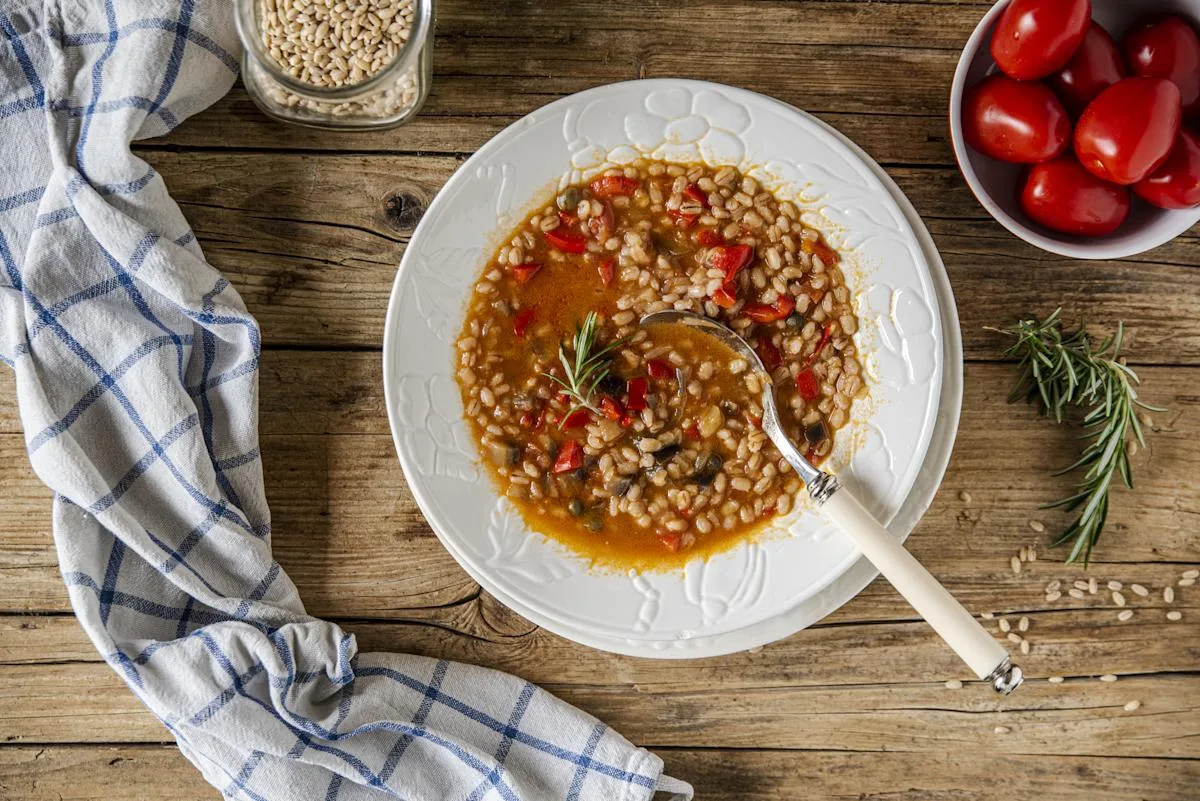
- Include fiber-rich sides such as barley, lentils, or quinoa.
- Select fatty fish such as salmon or anchovies and rotate with plant-based options or lean proteins like chicken or turkey.
- For gut support, add miso soup or fermented vegetables like sauerkraut or kimchi.
Snacks and Drinks:
- Include small portions of fermented foods, seeds, nuts, and fruit daily.
- Sip black or green tea.