
Best Peptide for Gut Health
BPC-157, Larazotide, KPV & VIP Peptide — Ranked for IBS, IBD & Leaky Gut (2026)
Gut-healing peptides address three core mechanisms of gut dysfunction: mucosal damage and repair (BPC-157), intestinal permeability (Larazotide), and mucosal inflammation (KPV). BPC-157 is the most comprehensively studied gut peptide with data spanning IBD, NSAID-induced ulcers, fistulas, and gut motility. Together these peptides cover the spectrum from structural repair to immune modulation to barrier integrity. Track your gut protocol in Shotlee.
Top Gut Health Peptides — Ranked by Evidence
| Peptide | Mechanism | Best Evidence | Delivery | Evidence Level |
|---|---|---|---|---|
| BPC-157 | VEGF angiogenesis, NO pathway, EGR-1 collagen — mucosal repair | Extensive animal models (IBD, ulcers, fistulas); clinical use | Oral (arginine salt) or SC injection | ⭐⭐⭐⭐Best |
| Larazotide Acetate | Zonulin antagonist — tight junction regulation, permeability | Phase 2/3 trials in celiac disease; permeability reduction data | Oral capsule | ⭐⭐⭐⭐ |
| KPV | Alpha-MSH fragment — NF-kB inhibition, mucosal anti-inflammation | IBD animal models; colitis reduction data; Phase 1 data | Oral or SC injection | ⭐⭐⭐ |
| VIP Peptide | Vasoactive intestinal peptide — motility regulation, anti-inflammatory | Human data for IBD motility, immune dysregulation | Intranasal or SC injection | ⭐⭐⭐ |
| LL-37 | Cathelicidin antimicrobial peptide — gut microbiome defence | SIBO/dysbiosis animal data; gut barrier support | Oral or SC injection (caution) | ⭐⭐ |
| Glutathione | Antioxidant tripeptide — gut oxidative stress, mucosal protection (not a GI-specific peptide) | Oral/IV human data for oxidative gut conditions | IV or liposomal oral | ⭐⭐ |
Top Gut Health Picks Explained
BPC-157 — The #1 Gut Healing Peptide
Originally discovered in human gastric juice, BPC-157 is nature's gut protection peptide. Heals through VEGF-driven angiogenesis (rebuilding gut vasculature), NO pathway activation (improving mucosal blood flow), and EGR-1-driven collagen synthesis (repairing intestinal wall). Animal data shows healing of intestinal fistulas, reversal of NSAID-induced ulcers and colitis, and normalisation of gut motility. Oral BPC-157 arginine salt is ideal for gut delivery — stable in stomach acid and acts locally throughout the GI tract.
Larazotide Acetate — Leaky Gut Repair
The most mechanistically targeted leaky gut peptide. Directly antagonises zonulin — the protein that opens tight junctions between intestinal epithelial cells. Tight junction disruption allows bacterial endotoxins and undigested proteins into the bloodstream, triggering systemic inflammation and food sensitivities. Larazotide completed Phase 2 and Phase 3 clinical trials for celiac disease, demonstrating significant reduction in intestinal permeability and symptom scores. Oral delivery reaches the gut mucosa directly.
KPV — IBD Inflammation Control
Alpha-MSH C-terminal tripeptide (Lys-Pro-Val) with direct NF-kB inhibitory activity in gut epithelial cells and macrophages. Reduces IL-1beta, IL-6, and TNF-alpha in gut tissue without systemic immunosuppression. Particularly relevant for IBD flares (Crohn's disease, ulcerative colitis) where localised mucosal anti-inflammation is needed. Used orally for direct mucosal delivery or SC injection. Complements BPC-157's structural repair with targeted inflammatory pathway inhibition.
VIP Peptide — Motility and Immune Balance
Vasoactive intestinal peptide is a 28-amino acid neuropeptide with anti-inflammatory, immunomodulatory, and motility-regulating properties in the gut. Human data exists for IBD patients showing VIP reduces mucosal inflammation and normalises gut motility dysregulation. VIP is also neuroprotective in the enteric nervous system. Used intranasally or via SC injection. Best for IBD with dysmotility component or gut immune dysregulation beyond simple inflammation.
LL-37 — Gut Antimicrobial Defence
The only human cathelicidin, LL-37 is produced by intestinal epithelial cells and immune cells as part of the innate gut defence system. Relevant for gut dysbiosis, SIBO (small intestinal bacterial overgrowth), and conditions where pathological gut bacteria overgrow. LL-37 disrupts bacterial membranes and modulates gut immune responses. Use with caution — doses and delivery method matter significantly, and its effects on commensal gut bacteria require careful consideration.
How to Choose the Right Gut Health Peptide
For most gut health goals, BPC-157 is the first-choice peptide because it addresses the broadest range of gut pathology — structural mucosal damage, inflammation, vascularity, and motility — in a single compound. Use the oral arginine salt form for gut-targeted delivery. If leaky gut (intestinal permeability) is the primary issue, add Larazotide to the protocol for specific tight junction repair that BPC-157 does not directly provide.
For active IBD flares (Crohn's, ulcerative colitis), the BPC-157 + KPV combination is well-established in functional medicine: BPC-157 handles structural repair and angiogenesis while KPV directly inhibits the NF-kB inflammatory cascade in gut tissue. VIP peptide is useful as an adjunct when gut motility is significantly dysregulated alongside inflammation.
Gut healing takes time — measure your progress objectively. Track daily symptom scores (bloating, pain, stool consistency), weekly energy levels, and any available biomarkers (faecal calprotectin, zonulin, CRP) in Shotlee. Gut peptide protocols typically require 4–12 weeks before full benefits are apparent.
How to Track Your Gut Health Protocol in Shotlee
Frequently Asked Questions
BPC-157 (oral arginine salt form) is the most broadly effective gut health peptide — it addresses mucosal damage, inflammation, vascularity, and motility through multiple mechanisms. For leaky gut specifically, Larazotide has the most direct clinical trial evidence. For IBD inflammation, KPV is the strongest targeted anti-inflammatory peptide for gut tissue.
For gut health, always take BPC-157 orally. When swallowed, BPC-157 travels through the GI tract and exerts healing effects directly on the stomach, small intestine, and colon — its natural anatomical target. The arginine salt (arginate) form is significantly more stable in stomach acid than the standard acetate form. SC injection is used for systemic and musculoskeletal conditions, not primarily for gut healing.
Larazotide Acetate is the most targeted leaky gut peptide — it specifically blocks zonulin, the protein that opens tight junctions. It has Phase 2/3 clinical trial data for celiac disease (the most studied leaky gut condition). BPC-157 is a strong complement, providing broader mucosal repair. The BPC-157 + Larazotide combination addresses both structural repair and tight junction restoration.
Multiple peptides show promise for IBD in preclinical and early human data: BPC-157 heals mucosal lesions, KPV directly inhibits NF-kB inflammatory signalling in gut tissue, and VIP peptide modulates gut immune dysregulation. None are FDA-approved for IBD. They are used off-label in functional medicine protocols alongside conventional IBD management — never as replacements for prescribed IBD medications.
BPC-157 effects on acute gut symptoms (pain, bloating) can begin within 1–2 weeks. Structural mucosal healing — measurable by faecal calprotectin or endoscopy — typically takes 4–8 weeks. Larazotide effects on permeability can be measured within 2–4 weeks. Track your gut symptom scores daily in Shotlee to see your personal response timeline.
Track Your Gut Health Protocol in Shotlee
Log every dose, daily symptom score, and gut biomarker. See your mucosal healing progress with clean trend data over your protocol weeks.
📚References & sources
Latest on peptide gut health
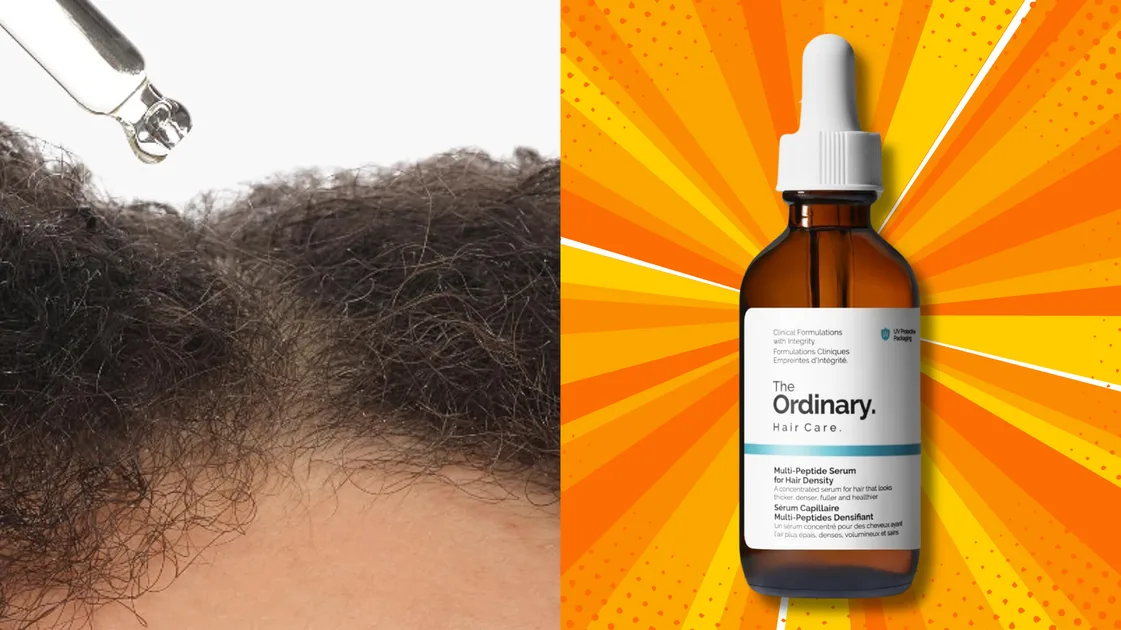
Peptides for Hair Loss: A Derm-Approved Ingredient for Thicker Hair
Discover how peptides, a common skincare ingredient, are making waves in hair loss treatment. This article delves into the science behind peptides and their potential to promote a healthier scalp and fuller-looking hair.
9 min read
Anandita Sundar's 7-Year Weight Loss Journey and Body Shaming
Anandita Sundar opens up about her seven-year weight loss journey, highlighting the profound impact of body shaming on mental health and her commitment to prioritizing well-being over societal expectations.
7 min read
Plus-Size Swimsuit Model on Inclusivity Amidst GLP-1 Medications
Plus-size model Hunter McGrady shares her concerns about a perceived decline in fashion inclusivity, particularly in the context of the growing popularity of GLP-1 weight loss medications.
7 min read