Sterile Peptide Reconstitution Mistakes
Prevention
Avoid common sterile reconstitution mistakes with a practical checklist covering handling, storage, concentration math, and contamination risk controls.
Start with a Sterile Workspace
Use only sterile supplies, wash your hands, and work on a clean surface before you open anything.
Follow the product or pharmacy instructions for the correct diluent, volume, and storage steps. If any part of the instructions is missing or unclear, stop and confirm it before you proceed.
Highest-impact failure points
The biggest problems are usually avoidable: contaminated hands or surfaces, reusing needles or syringes, misreading the label, or mixing with the wrong diluent.
When you access a vial, clean the stopper with alcohol and let it dry before puncturing it. Do not assume a product is still usable if the packaging is damaged or the solution looks cloudy or has particles.
Mistake-Prevention Checklist
When to Stop and Re-check
Stop and re-check if the instructions conflict with the packaging, if the dose math does not match the vial strength, or if the storage instructions are unclear.
If you are unsure whether the vial or syringe remained sterile, do not improvise. Replace the supplies and verify the instructions again before continuing.
Guide FAQs
A practical checklist for reducing contamination and dosing errors during sterile preparation.
Yes. Shotlee supports tracking doses, side effects, and health metrics. It is free.
Track Your Reconstitution & Doses in Shotlee
Free dose logging, side effect tracking, and health metric monitoring for your complete protocol.
📚References & sources
Latest on sterile peptide mistakes
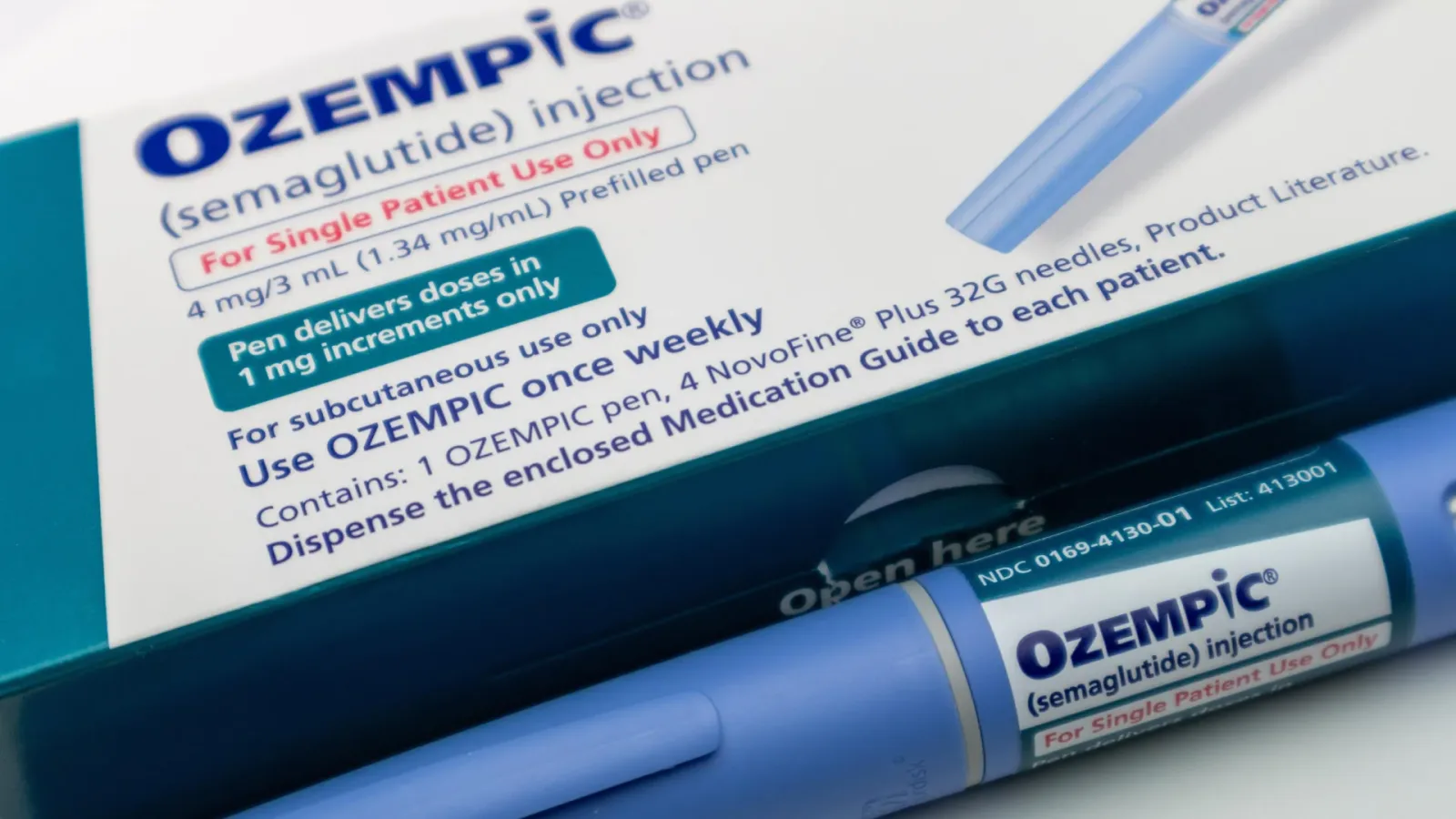
Ozempic and Wegovy Use Linked to Thousands of Poison Control Calls
The widespread adoption of Ozempic and Wegovy for weight loss has coincided with a significant rise in calls to poison control centers. This article delves into the research behind this trend, highlighting common mistakes and the importance of proper patient education.
6 min read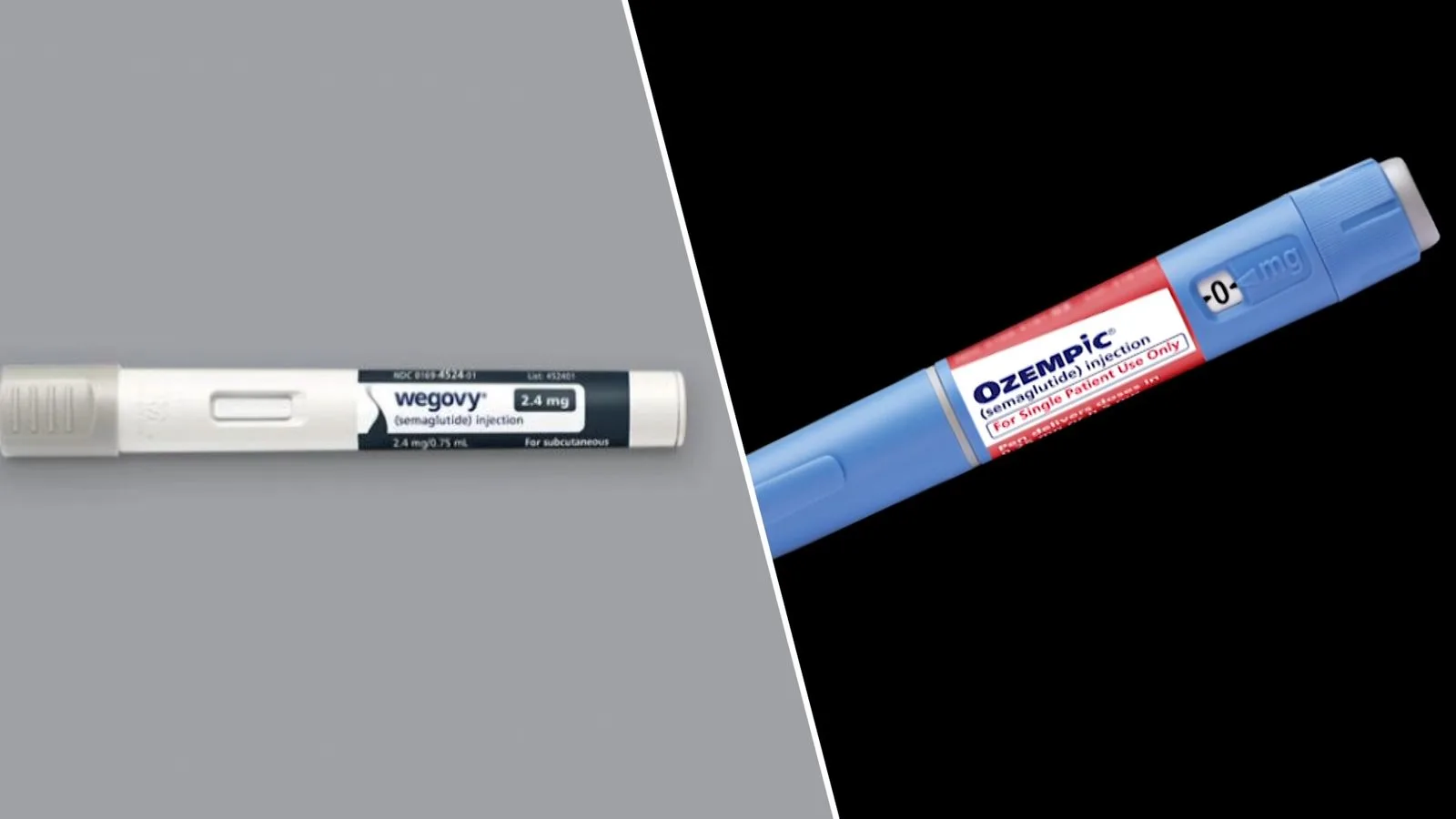
NC Poison Control Warns GLP-1 Users to Use Caution
North Carolina Poison Control is alerting GLP-1 users to watch for common dosing mistakes after averaging one to two calls daily last year. With 80% involving administration errors for drugs like Ozempic, Wegovy, and Mounjaro, most cases were mild but highlight real risks. Discover symptoms, prevention strategies, and FDA advice on compounded GLP-1 drugs.
5 min read
Lost 32% Body Weight on Mounjaro: Mistakes to Avoid
A woman known as @cartcrushuk on TikTok dropped 32% of her body weight using Mounjaro fat jabs and is now sharing the 'Mounjaro mistakes' she made along the way. From wasting time before starting to struggling with hydration and before photos, her honest advice focuses on protein, fiber, and basics for success. Her video has inspired thousands with nearly 15,000 views in four days.
5 min read