
Peptide Half-Life Chart
What the Published Data Actually Shows
A cautious reference for approved and studied peptides. Half-life varies by formulation, route, and study design, so use this as a starting point rather than a dosing rule.
How To Read A Half-Life Chart
Half-life is a pharmacokinetic estimate, not a guarantee of effect duration. Route of administration, albumin binding, and formulation can change it materially.
For many research peptides, publicly available human PK data are limited or absent. If you cannot verify a label or primary study, treat the number as provisional rather than prescriptive.
Examples With Published Data
How To Use The Chart Safely
Why This Matters In Shotlee
When you log the dose, site, and timing of each injection in Shotlee, you can compare real-world response against the published timing window rather than relying on memory.
That makes it easier to spot whether a product is behaving like its label suggests or whether the formulation, route, or schedule needs to be reviewed with a clinician.
Guide FAQs
Not exactly. Half-life is a useful starting point, but the clinical effect can be longer or shorter depending on route, formulation, and downstream biology.
Only as a rough guide. If you cannot trace the number to a label or a primary study, treat it as provisional.
Track Your Peptide Half-Life Reference In Shotlee
Free dose logging, side effect tracking, and timing notes for your protocol.
📚References & sources
Latest on Peptide Half-Life Chart
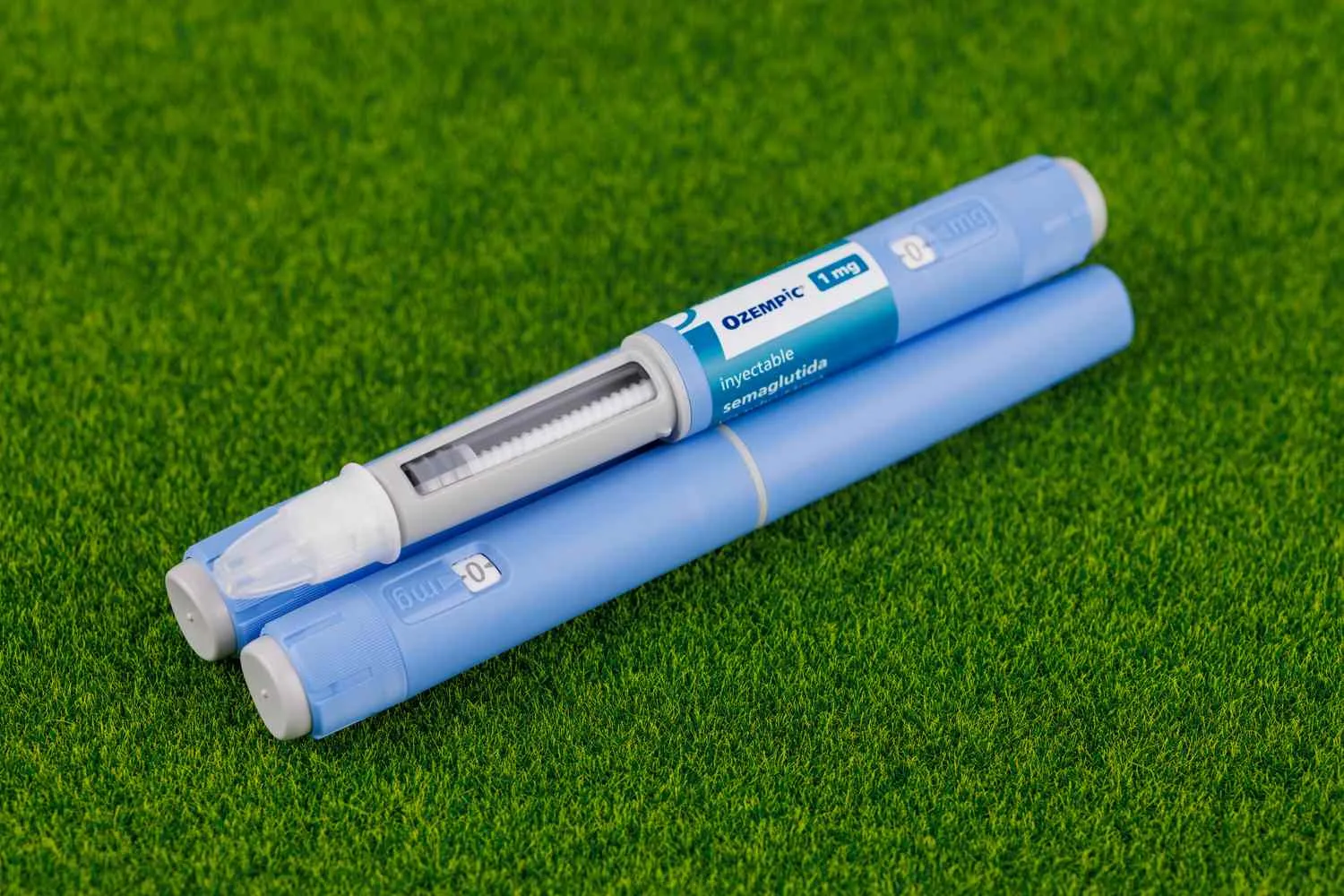
Ozempic, Wegovy, Mounjaro: How Long Do GLP-1s Stay in Your System?
Curious about how long Ozempic, Wegovy, Mounjaro, or other GLP-1 medications stay in your system after your last dose? This comprehensive guide explores the science behind their elimination and what factors influence their duration.
7 min read
The Quest for Oral GLP-1s: History and Innovations
For decades, GLP-1 receptor agonists like Ozempic have transformed diabetes and obesity treatment via injections, but patients crave oral options. This guide traces the scientific quest for oral GLP-1s, from early discoveries and Gila monster breakthroughs to Rybelsus challenges and promising algae-based innovations. Understand the barriers and what's next for affordable, pill-based metabolic health.
5 min read