
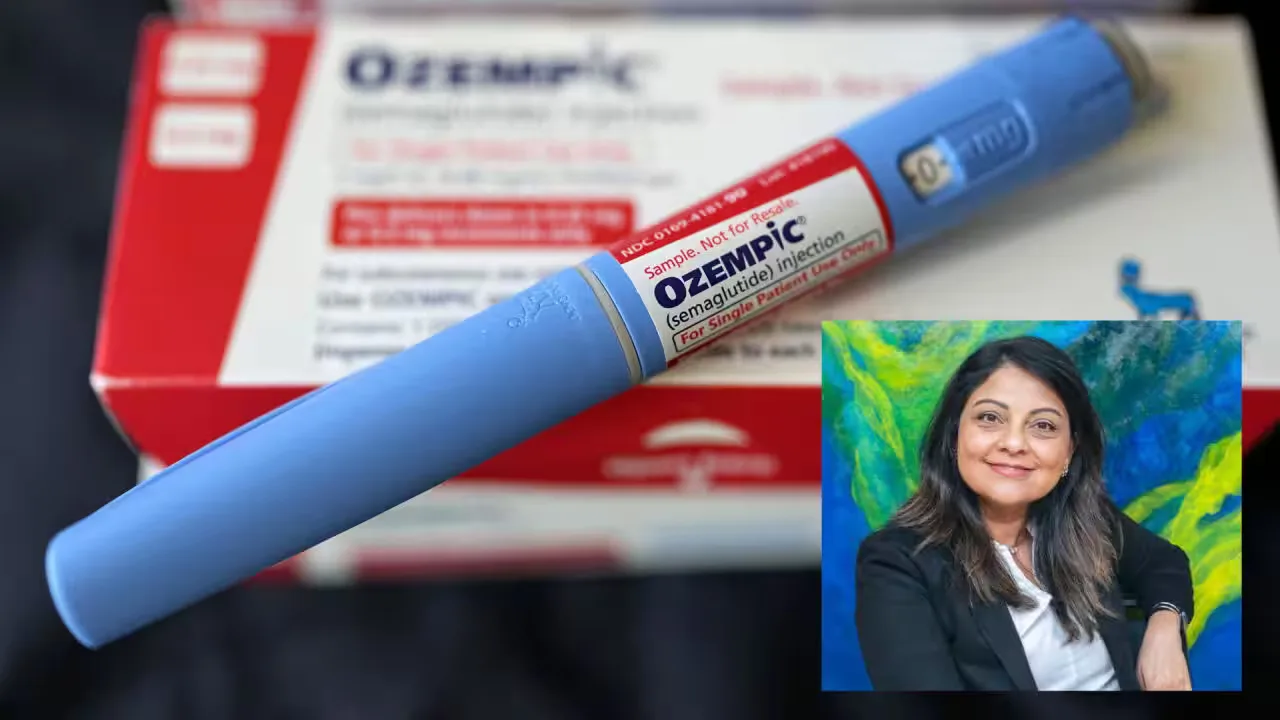
Ozempic e Perdita di Peso: Il Passo Chiave Mancante

Ozempic è un nome noto, ma gli esperti avvertono che non è una soluzione magica. La Dr. Shilpa Verma discute la componente essenziale dello stile di vita richiesta per una perdita di peso sostenibile.
In questa pagina
- Ozempic e Perdita di Peso: Perché il Tuo Corpo Ha Bisogno di Un Altro Passo Fondamentale
- Comprendere il Fenomeno Ozempic
- Il Critico "Un Altro Passo Fondamentale"
- Navigare Sicurezza ed Effetti Collaterali
- Mantenere i Risultati Oltre la Prescrizione
- Sfruttare la Tecnologia per Risultati Migliori
- Conclusione
- Come Funziona il Semaglutide
- Perché la Medicazione da Sola Non È Abbastanza
- Comuni Disturbi Gastrointestinali
- Dati di Sicurezza a Lungo Termine
- Confronto tra Medicazione e Requisiti di Stile di Vita
- Il Rischio di Recupero del Peso
- Monitorare Sintomi e Progressi con Shotlee
- Punti Chiave
Ozempic e Perdita di Peso: Perché il Tuo Corpo Ha Bisogno di Un Altro Passo Fondamentale
Pochi farmaci hanno catturato l'immaginazione del pubblico come Ozempic negli ultimi anni. Parte di una nuova classe di farmaci noti come agonisti del recettore GLP-1, è rapidamente passato da prescrizione per il diabete di tipo 2 a un nome familiare associato a una significativa perdita di peso. Tuttavia, al di là dei titoli e delle tendenze dei social media, rimane una domanda cruciale: cos'è esattamente Ozempic e come funziona realmente all'interno del corpo umano?
In una recente discussione con l'esperta medica Dr. Shilpa Verma, la conversazione si è spostata oltre l'entusiasmo per affrontare le sfumature del trattamento. Sebbene il farmaco alteri efficacemente l'appetito e i segnali metabolici, la Dr. Verma sottolinea un'intuizione fondamentale: la sola medicazione è raramente sufficiente per risultati reali e duraturi. Il tuo corpo ha bisogno di un altro passo fondamentale per garantire che il peso rimanga sotto controllo e la tua salute migliori in modo olistico.
Questo articolo esplora la scienza dietro il semaglutide, il profilo di sicurezza delle terapie GLP-1 e l'integrazione essenziale dello stile di vita richiesta per massimizzare i benefici. Discutiamo anche di come i moderni strumenti di monitoraggio della salute possano supportare questo percorso, assicurando che tu rimanga informato e coinvolto durante tutto il trattamento.
Comprendere il Fenomeno Ozempic
Per capire perché Ozempic è così efficace, dobbiamo prima esaminare il suo principio attivo: il semaglutide. Il semaglutide appartiene a una classe di farmaci chiamati agonisti del recettore del peptide-1 simile al glucagone (GLP-1). Naturalmente, il tuo corpo produce ormoni GLP-1 nell'intestino, che segnalano al cervello di sentirsi sazio dopo aver mangiato.
Come Funziona il Semaglutide
Quando somministrato come iniezione settimanale, il semaglutide mima questo ormone naturale. Si lega ai recettori nel cervello che regolano l'appetito, inviando segnali più forti di sazietà. Questo riduce l'impulso a mangiare troppo e aiuta le persone a sentirsi soddisfatte con porzioni più piccole. Inoltre, rallenta lo svuotamento gastrico, il che significa che il cibo rimane nello stomaco più a lungo, contribuendo ulteriormente a quella sensazione di pienezza.
Tuttavia, questo cambiamento fisiologico è solo metà dell'equazione. Mentre il farmaco modifica la spinta biologica a mangiare, non rieduca automaticamente le abitudini né affronta la relazione psicologica con il cibo. È qui che il "passo fondamentale" discusso dagli esperti diventa vitale.
Il Critico "Un Altro Passo Fondamentale"
La Dr. Shilpa Verma sottolinea che, sebbene Ozempic fornisca uno strumento potente per la gestione del peso, non è una cura a sé stante. L'anello mancante per molti utenti è l'integrazione di cambiamenti sostenibili nello stile di vita. Affidarsi esclusivamente alla medicazione senza adeguare dieta e livelli di attività può portare a risultati subottimali.
Perché la Medicazione da Sola Non È Abbastanza
La medicazione agisce come un catalizzatore, abbassando la barriera all'ingresso per la perdita di peso gestendo gli ormoni della fame. Tuttavia, senza uno sforzo cosciente, il corpo può adattarsi o la massa muscolare può essere persa insieme al grasso. Il "passo fondamentale" include:
- Consapevolezza Nutrizionale: Imparare a dare priorità a proteine e fibre per supportare l'appetito ridotto senza malnutrizione.
- Movimento: Impegnarsi in attività fisica per preservare la massa muscolare magra, cruciale per la salute metabolica a lungo termine.
- Cambiamento Comportamentale: Affrontare i fattori scatenanti dell'alimentazione emotiva che il farmaco non può risolvere da solo.
Combinando i benefici farmacologici del semaglutide con questi aggiustamenti comportamentali, i pazienti possono ottenere un effetto sinergico che porta a miglioramenti della salute più robusti e duraturi.
Navigare Sicurezza ed Effetti Collaterali
Come per qualsiasi farmaco potente, la sicurezza è una preoccupazione primaria per i pazienti che considerano le terapie GLP-1. Sebbene Ozempic sia generalmente ben tollerato, comprendere il profilo degli effetti collaterali è essenziale per gestire le aspettative e garantire l'aderenza al piano di trattamento.
Tracciamento preciso lungo il percorso
Unisciti ai mille che utilizzano Shotlee per tracciare scrupolosamente i farmaci GLP-1 e relativi effetti collaterali.
📱 Usa Shotlee gratuitamente
Unisciti ai mille che utilizzano Shotlee per tracciare scrupolosamente i farmaci GLP-1 e relativi effetti collaterali.
Comuni Disturbi Gastrointestinali
Gli effetti collaterali più frequentemente riportati sono di natura gastrointestinale. Questi possono includere nausea, vomito, diarrea e stitichezza. Questi sintomi si verificano spesso all'inizio del trattamento o quando la dose viene aumentata. La maggior parte dei pazienti scopre che questi effetti si attenuano nel tempo man mano che il corpo si adatta al farmaco.
Dati di Sicurezza a Lungo Termine
Studi a lungo termine continuano a monitorare la sicurezza del semaglutide. I dati attuali suggeriscono che per la maggior parte dei pazienti, i benefici della perdita di peso e della riduzione del rischio cardiovascolare superano i rischi. Tuttavia, i pazienti con una storia di determinate condizioni, come il carcinoma midollare della tiroide, dovrebbero discuterne con il proprio medico prima di iniziare il trattamento.
Confronto tra Medicazione e Requisiti di Stile di Vita
| Fattore | Medicazione (Ozempic) | Intervento sullo Stile di Vita |
|---|---|---|
| Controllo dell'Appetito | Alto (Regolazione ormonale) | Moderato (Richiede disciplina) |
| Preservazione Muscolare | Basso (Rischio di perdita senza esercizio) | Alto (Con allenamento di resistenza) |
| Sostenibilità | Dipendente dall'uso continuato | Cambiamento permanente delle abitudini |
| Effetti Collaterali | Disturbi gastrointestinali comuni | Minimi (Solo affaticamento fisico) |
| Costo | Alto (Prescrizione mensile) | Variabile (Cibo e attrezzature) |
Mantenere i Risultati Oltre la Prescrizione
Una delle sfide più significative nel trattamento della perdita di peso è ciò che accade dopo l'interruzione della medicazione. Gli studi clinici hanno dimostrato che quando il semaglutide viene interrotto, l'appetito spesso ritorna ai livelli basali e può verificarsi un certo recupero del peso.
Il Rischio di Recupero del Peso
Ecco perché il "passo fondamentale" dell'integrazione dello stile di vita è così critico. Se un paziente utilizza il tempo trascorso con la medicazione per imparare a mangiare bene, a muovere il proprio corpo e a gestire lo stress, costruisce una base che lo supporta anche dopo che il farmaco non è più nel suo sistema. L'obiettivo è passare da un paziente che dipende da un farmaco a una persona che dipende da abitudini sane.
Sfruttare la Tecnologia per Risultati Migliori
Nell'era digitale, la gestione di un piano di trattamento complesso come la terapia GLP-1 richiede organizzazione e monitoraggio. È qui che la tecnologia di monitoraggio della salute gioca un ruolo fondamentale. Strumenti come Shotlee possono aiutare i pazienti a rimanere connessi ai propri dati sanitari, assicurando che stiano sfruttando al meglio il loro trattamento.
Monitorare Sintomi e Progressi con Shotlee
Gestire gli effetti collaterali e i programmi di dosaggio può essere opprimente. Shotlee consente agli utenti di:
- Registrare le Iniezioni: Mantenere un registro preciso di quando vengono assunte le dosi per evitare dosi mancate o doppie.
- Monitorare i Sintomi: Tracciare eventuali problemi gastrointestinali da condividere con il medico durante i follow-up.
- Monitorare le Metriche: Controllare peso, pressione sanguigna e altri parametri vitali per avere un quadro completo del miglioramento della propria salute.
Digitalizzando questi dati, i pazienti possono identificare schemi, come ad esempio se determinati cibi scatenano la nausea o se i loro livelli di energia sono correlati al loro programma di dosaggio. Ciò consente ai pazienti di avere conversazioni più informate con i propri operatori sanitari.
Conclusione
Ozempic rappresenta un significativo progresso nel trattamento dell'obesità e del diabete di tipo 2, offrendo speranza a coloro che hanno lottato con i metodi tradizionali di perdita di peso. Tuttavia, come avvertono la Dr. Shilpa Verma e altri esperti medici, il farmaco è uno strumento, non una bacchetta magica. Il "passo fondamentale" implica l'impegno nei cambiamenti dello stile di vita che supportano gli effetti fisiologici del farmaco.
Combinando il semaglutide con una nutrizione consapevole, un'attività fisica regolare e un monitoraggio diligente della salute, puoi massimizzare i tuoi risultati e costruire un percorso sostenibile verso una migliore salute. Consulta sempre un professionista sanitario qualificato per determinare se la terapia GLP-1 è adatta a te e per creare un piano completo che affronti le tue esigenze uniche.
Punti Chiave
- Ozempic (semaglutide) agisce mimando gli ormoni GLP-1 per ridurre l'appetito.
- La sola medicazione è insufficiente; i cambiamenti dello stile di vita sono il "passo mancante" critico.
- Gli effetti collaterali gastrointestinali sono comuni ma spesso temporanei.
- Il recupero del peso è possibile dopo l'interruzione del farmaco senza cambiamenti nelle abitudini.
- Le app di monitoraggio della salute come Shotlee aiutano a gestire le dosi e monitorare i progressi.
?Domande frequenti
Ozempic funziona senza cambiamenti nella dieta?
Ozempic può portare alla perdita di peso senza cambiamenti drastici nella dieta grazie alla soppressione dell'appetito, ma gli esperti sottolineano che risultati sostenibili richiedono adeguamenti dietetici e attività fisica per preservare la massa muscolare e prevenire il recupero del peso.
Quali sono gli effetti collaterali più comuni?
Gli effetti collaterali più comuni sono gastrointestinali, tra cui nausea, vomito, diarrea e stitichezza. Questi si verificano tipicamente all'inizio del trattamento o all'aumento del dosaggio e spesso si attenuano man mano che il corpo si adatta.
Posso interrompere Ozempic e mantenere il peso perso?
Il recupero del peso è comune dopo l'interruzione di Ozempic poiché i segnali dell'appetito tornano ai livelli basali. Il mantenimento a lungo termine dipende dalle abitudini di stile di vita e dai cambiamenti comportamentali adottati durante l'assunzione del farmaco.
Ozempic è lo stesso di Wegovy?
Entrambi contengono lo stesso principio attivo, il semaglutide, ma sono approvati per indicazioni diverse. Ozempic è principalmente per il diabete di tipo 2, mentre Wegovy è approvato dalla FDA specificamente per la gestione cronica del peso.
Come posso monitorare i progressi durante il trattamento?
Utilizzare strumenti di monitoraggio della salute come Shotlee ti consente di registrare le iniezioni, monitorare gli effetti collaterali e tracciare i parametri vitali. Questi dati aiutano a identificare schemi e forniscono informazioni preziose per il tuo medico.
Informazioni sulla fonte
Pubblicato originariamente da SBS.Leggi l'articolo originale →
Continua a esplorare
Stesso argomento: Gestione del Peso
Farmaci GLP-1 per adolescenti: una nuova tendenza?
I farmaci GLP-1 stanno rapidamente trasformando la cura dell'obesità per adolescenti e giovani adulti, con un notevole allontanamento dalla chirurgia bariatrica. Questo articolo approfondisce le ultime ricerche, i potenziali benefici e le considerazioni importanti per questa tendenza emergente.
7 minuti di lettura
Jim Cramer su Eli Lilly nel contenzioso GLP-1
Jim Cramer discute la posizione di Eli Lilly nel mercato dei farmaci GLP-1 a seguito di una causa intentata dal concorrente Novo Nordisk, analizzando la situazione per gli investitori.
7 minuti di lettura
Programma Ponte GLP-1 Medicare: Cosa Sapere
Medicare lancia un nuovo programma pilota per aumentare l'accesso ai farmaci GLP-1 per la perdita di peso, offrendo una quota fissa di $50 al mese per i beneficiari idonei. Questo segna un passo importante nella copertura dell'obesità come condizione medica.
9 minuti di letturaAltro in Salute e Benessere

Greg Davies Ozempic Perdita di Peso: Lezioni Chiave per Utenti GLP-1
Il comico Greg Davies rivela gli effetti fisici e psicologici dell'interruzione di Ozempic dopo una significativa perdita di peso, offrendo spunti per i pazienti in terapia peptidica.
6 minuti di lettura
Avvertimento Pillola Wegovy Perdita di Peso: Fai Tre Cambiamenti Ora
La nuova formulazione orale di Wegovy è arrivata, ma le preoccupazioni sulla caduta dei capelli persistono. Scopri la scienza dietro il rischio e tre cambiamenti nello stile di vita azionabili per proteggere la salute dei capelli durante il trattamento con semaglutide.
8 minuti di lettura
Oltre l'Iniezione: Il Percorso di una Donna verso la Perdita di 9 Pietre
Melanie Sivier condivide il suo straordinario percorso di perdita di peso di nove pietre, optando per un cambiamento di stile di vita dedicato piuttosto che per interventi medici come la banda gastrica e i più recenti agonisti GLP-1.
6 minuti di lettura