
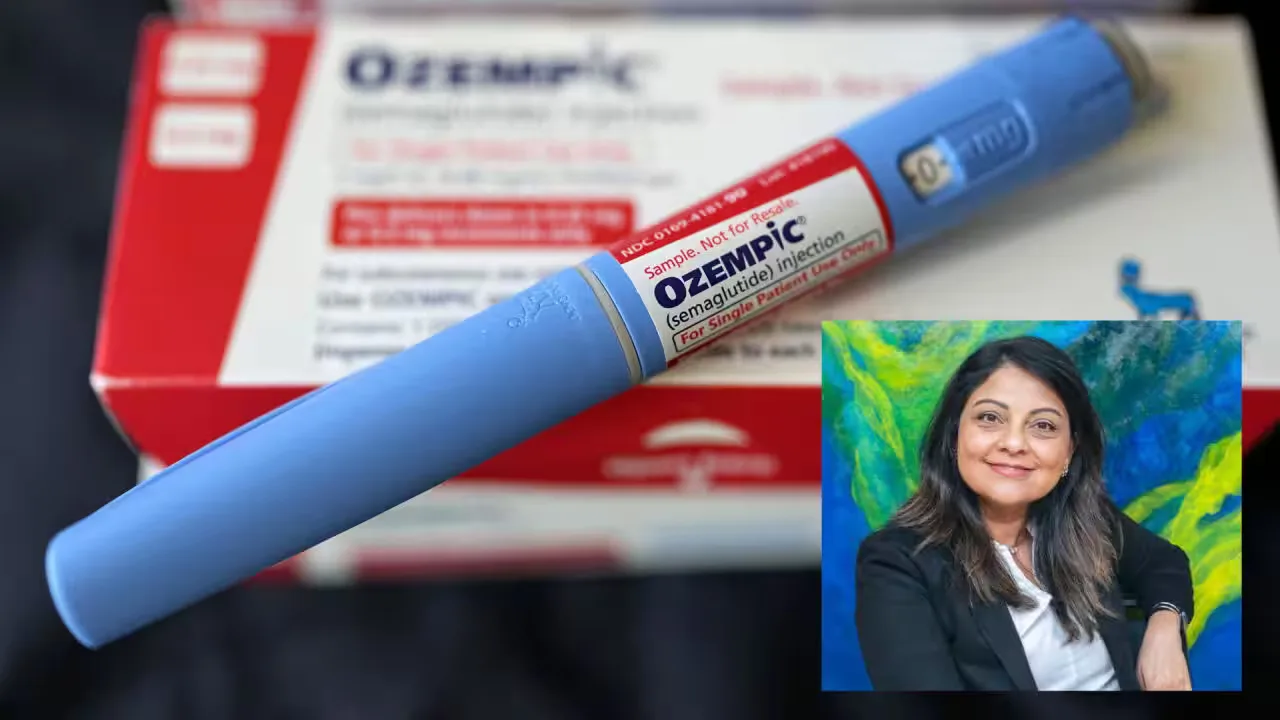
Penurunan Berat Badan Ozempic: Mengapa Tubuh Anda Membutuhkan Satu Langkah Kunci Lagi

Ozempic adalah nama rumah tangga, tetapi para ahli memperingatkan bahwa obat ini bukanlah obat mujarab. Dr. Shilpa Verma membahas komponen gaya hidup penting yang diperlukan untuk penurunan berat badan yang berkelanjutan.
Pilih bagian
- Penurunan Berat Badan Ozempic: Mengapa Tubuh Anda Membutuhkan Satu Langkah Kunci Lagi
- Memahami Fenomena Ozempic
- Satu Langkah Kunci yang Penting
- Menavigasi Keamanan dan Efek Samping
- Mempertahankan Hasil Melampaui Resep
- Memanfaatkan Teknologi untuk Hasil yang Lebih Baik
- Kesimpulan
- Bagaimana Semaglutide Bekerja
- Mengapa Pengobatan Saja Tidak Cukup
- Masalah Gastrointestinal Umum
- Data Keamanan Jangka Panjang
- Perbandingan Persyaratan Pengobatan vs. Gaya Hidup
- Risiko Kenaikan Berat Badan
- Melacak Gejala dan Kemajuan dengan Shotlee
- Poin-Poin Penting
Penurunan Berat Badan Ozempic: Mengapa Tubuh Anda Membutuhkan Satu Langkah Kunci Lagi
Beberapa obat telah menarik imajinasi publik seperti Ozempic dalam beberapa tahun terakhir. Sebagai bagian dari kelas obat yang lebih baru yang dikenal sebagai agonis reseptor GLP-1, obat ini dengan cepat beralih dari resep untuk diabetes tipe 2 menjadi nama rumah tangga yang dikaitkan dengan penurunan berat badan yang signifikan. Namun, di luar berita utama dan tren media sosial, pertanyaan penting tetap ada: apa sebenarnya Ozempic, dan bagaimana cara kerjanya di dalam tubuh manusia?
Dalam diskusi baru-baru ini dengan pakar medis Dr. Shilpa Verma, percakapan bergeser dari sensasi untuk membahas nuansa pengobatan. Meskipun obat ini secara efektif mengubah sinyal nafsu makan dan metabolisme, Dr. Verma menyoroti wawasan penting: pengobatan saja jarang cukup untuk hasil yang nyata dan bertahan lama. Tubuh Anda membutuhkan satu langkah kunci lagi untuk memastikan berat badan tetap turun dan kesehatan Anda meningkat secara holistik.
Artikel ini mengeksplorasi sains di balik semaglutide, profil keamanan terapi GLP-1, dan integrasi gaya hidup penting yang diperlukan untuk memaksimalkan manfaat. Kami juga membahas bagaimana alat pelacak kesehatan modern dapat mendukung perjalanan ini, memastikan Anda tetap terinformasi dan terlibat sepanjang pengobatan Anda.
Memahami Fenomena Ozempic
Untuk memahami mengapa Ozempic begitu efektif, kita harus terlebih dahulu melihat bahan aktifnya: semaglutide. Semaglutide termasuk dalam kelas obat yang disebut agonis reseptor glukagon-like peptide-1 (GLP-1). Secara alami, tubuh Anda memproduksi hormon GLP-1 di usus, yang memberi sinyal pada otak untuk merasa kenyang setelah makan.
Bagaimana Semaglutide Bekerja
Ketika diberikan sebagai suntikan mingguan, semaglutide meniru hormon alami ini. Obat ini berikatan dengan reseptor di otak yang mengatur nafsu makan, mengirimkan sinyal kenyang yang lebih kuat. Hal ini mengurangi keinginan untuk makan berlebihan dan membantu individu merasa puas dengan porsi yang lebih kecil. Selain itu, obat ini memperlambat pengosongan lambung, yang berarti makanan tetap berada di perut lebih lama, yang semakin berkontribusi pada perasaan kenyang tersebut.
Namun, pergeseran fisiologis ini hanyalah setengah dari persamaan. Meskipun obat ini mengubah dorongan biologis untuk makan, obat ini tidak secara otomatis melatih kembali kebiasaan atau mengatasi hubungan psikologis dengan makanan. Di sinilah "satu langkah kunci lagi" yang dibahas oleh para ahli menjadi vital.
Satu Langkah Kunci yang Penting
Dr. Shilpa Verma menekankan bahwa meskipun Ozempic menyediakan alat yang ampuh untuk manajemen berat badan, obat ini bukanlah obat mujarab yang berdiri sendiri. Kepingan yang hilang bagi banyak pengguna adalah integrasi perubahan gaya hidup yang berkelanjutan. Bergantung semata-mata pada pengobatan tanpa menyesuaikan pola makan dan tingkat aktivitas dapat menyebabkan hasil yang suboptimal.
Mengapa Pengobatan Saja Tidak Cukup
Obat bertindak sebagai katalis, menurunkan hambatan untuk memulai penurunan berat badan dengan mengelola hormon lapar. Namun, tanpa upaya sadar, tubuh dapat beradaptasi, atau massa otot dapat hilang bersamaan dengan lemak. "Langkah kunci" melibatkan:
- Kesadaran Gizi: Belajar memprioritaskan protein dan serat untuk mendukung penurunan nafsu makan tanpa malnutrisi.
- Gerakan: Melakukan aktivitas fisik untuk mempertahankan massa otot tanpa lemak, yang sangat penting untuk kesehatan metabolisme jangka panjang.
- Perubahan Perilaku: Mengatasi pemicu makan emosional yang tidak dapat diatasi oleh obat itu sendiri.
Dengan menggabungkan manfaat farmakologis semaglutide dengan penyesuaian perilaku ini, pasien dapat mencapai efek sinergis yang mengarah pada peningkatan kesehatan yang lebih kuat dan tahan lama.
Menavigasi Keamanan dan Efek Samping
Seperti halnya obat poten lainnya, keamanan adalah perhatian utama bagi pasien yang mempertimbangkan terapi GLP-1. Meskipun Ozempic umumnya ditoleransi dengan baik, memahami profil efek samping sangat penting untuk mengelola ekspektasi dan memastikan kepatuhan terhadap rencana pengobatan.
Tingkat akurasi terarah ke tubuh Anda
Gabung bersama ribuan pengguna andalan kami di Shotlee guna menditeksi respons tubuh tentang pemulihan dari dalam.
📱 Gunakan Shotlee Gratis
Gabung bersama ribuan pengguna andalan kami di Shotlee guna menditeksi respons tubuh tentang pemulihan dari dalam.
Masalah Gastrointestinal Umum
Efek samping yang paling sering dilaporkan bersifat gastrointestinal. Ini dapat mencakup mual, muntah, diare, dan sembelit. Gejala-gejala ini sering terjadi saat memulai pengobatan atau ketika dosis ditingkatkan. Kebanyakan pasien menemukan bahwa efek ini mereda seiring waktu karena tubuh menyesuaikan diri dengan obat.
Data Keamanan Jangka Panjang
Studi jangka panjang terus memantau keamanan semaglutide. Data saat ini menunjukkan bahwa bagi sebagian besar pasien, manfaat penurunan berat badan dan pengurangan risiko kardiovaskular lebih besar daripada risikonya. Namun, pasien dengan riwayat kondisi tertentu, seperti karsinoma tiroid meduler, harus mendiskusikannya dengan penyedia layanan kesehatan mereka sebelum memulai pengobatan.
Perbandingan Persyaratan Pengobatan vs. Gaya Hidup
| Faktor | Obat (Ozempic) | Intervensi Gaya Hidup |
|---|---|---|
| Kontrol Nafsu Makan | Tinggi (Regulasi hormonal) | Sedang (Membutuhkan disiplin) |
| Pemeliharaan Otot | Rendah (Risiko kehilangan tanpa olahraga) | Tinggi (Dengan latihan beban) |
| Keberlanjutan | Bergantung pada penggunaan berkelanjutan | Perubahan kebiasaan permanen |
| Efek Samping | Masalah gastrointestinal umum | Minimal (Hanya ketegangan fisik) |
| Biaya | Tinggi (Resep bulanan) | Bervariasi (Makanan dan peralatan) |
Mempertahankan Hasil Melampaui Resep
Salah satu tantangan terbesar dalam pengobatan penurunan berat badan adalah apa yang terjadi setelah obat dihentikan. Uji klinis telah menunjukkan bahwa ketika semaglutide dihentikan, nafsu makan sering kali kembali ke tingkat dasar, dan beberapa kenaikan berat badan dapat terjadi.
Risiko Kenaikan Berat Badan
Inilah sebabnya mengapa "langkah kunci" integrasi gaya hidup sangat penting. Jika pasien menggunakan waktu pengobatan untuk belajar makan dengan baik, cara menggerakkan tubuh mereka, dan cara mengelola stres, mereka membangun fondasi yang mendukung mereka bahkan setelah obat tidak lagi ada dalam sistem mereka. Tujuannya adalah untuk beralih dari pasien yang bergantung pada obat menjadi orang yang mengandalkan kebiasaan sehat.
Memanfaatkan Teknologi untuk Hasil yang Lebih Baik
Di era digital, mengelola rencana pengobatan yang kompleks seperti terapi GLP-1 membutuhkan organisasi dan pemantauan. Di sinilah teknologi pelacak kesehatan memainkan peran penting. Alat seperti Shotlee dapat membantu pasien tetap terhubung dengan data kesehatan mereka, memastikan mereka memanfaatkan pengobatan mereka sebaik mungkin.
Melacak Gejala dan Kemajuan dengan Shotlee
Mengelola efek samping dan jadwal dosis bisa jadi membingungkan. Shotlee memungkinkan pengguna untuk:
- Mencatat Suntikan: Simpan catatan yang tepat tentang kapan dosis diambil untuk menghindari dosis yang terlewat atau ganda.
- Memantau Gejala: Lacak masalah gastrointestinal apa pun untuk dibagikan dengan dokter Anda selama tindak lanjut.
- Melacak Metrik: Pantau berat badan, tekanan darah, dan tanda-tanda vital lainnya untuk melihat gambaran lengkap peningkatan kesehatan Anda.
Dengan mendigitalkan data ini, pasien dapat mengidentifikasi pola, seperti apakah makanan tertentu memicu mual atau apakah tingkat energi mereka berkorelasi dengan jadwal dosis mereka. Hal ini memberdayakan pasien untuk melakukan percakapan yang lebih terinformasi dengan penyedia layanan kesehatan mereka.
Kesimpulan
Ozempic mewakili kemajuan signifikan dalam pengobatan obesitas dan diabetes tipe 2, menawarkan harapan bagi mereka yang telah berjuang dengan metode penurunan berat badan tradisional. Namun, seperti yang diperingatkan oleh Dr. Shilpa Verma dan pakar medis lainnya, obat ini adalah alat, bukan tongkat ajaib. "Satu langkah kunci lagi" melibatkan komitmen terhadap perubahan gaya hidup yang mendukung efek fisiologis obat.
Dengan menggabungkan semaglutide dengan nutrisi yang cermat, aktivitas fisik teratur, dan pelacakan kesehatan yang teliti, Anda dapat memaksimalkan hasil Anda dan membangun jalan yang berkelanjutan menuju kesehatan yang lebih baik. Selalu berkonsultasi dengan profesional perawatan kesehatan yang berkualifikasi untuk menentukan apakah terapi GLP-1 tepat untuk Anda dan untuk membuat rencana komprehensif yang mengatasi kebutuhan unik Anda.
Poin-Poin Penting
- Ozempic (semaglutide) bekerja dengan meniru hormon GLP-1 untuk mengurangi nafsu makan.
- Pengobatan saja tidak cukup; perubahan gaya hidup adalah "langkah yang hilang" yang krusial.
- Efek samping gastrointestinal umum tetapi seringkali bersifat sementara.
- Kenaikan berat badan mungkin terjadi setelah menghentikan pengobatan tanpa perubahan kebiasaan.
- Aplikasi pelacak kesehatan seperti Shotlee membantu mengelola dosis dan memantau kemajuan.
?Pertanyaan yang Sering Diajukan
Apakah Ozempic bekerja tanpa perubahan pola makan?
Ozempic dapat menyebabkan penurunan berat badan tanpa perubahan pola makan yang ketat karena penekanan nafsu makan, tetapi para ahli menekankan bahwa hasil yang berkelanjutan memerlukan penyesuaian pola makan dan aktivitas fisik untuk mempertahankan massa otot dan mencegah kenaikan berat badan.
Apa efek samping yang paling umum?
Efek samping yang paling umum adalah gastrointestinal, termasuk mual, muntah, diare, dan sembelit. Gejala-gejala ini biasanya terjadi saat memulai pengobatan atau meningkatkan dosis dan seringkali mereda seiring tubuh menyesuaikan diri.
Bisakah saya berhenti minum Ozempic dan mempertahankan berat badan?
Kenaikan berat badan umum terjadi setelah berhenti minum Ozempic karena sinyal nafsu makan kembali normal. Pemeliharaan jangka panjang bergantung pada kebiasaan gaya hidup dan perubahan perilaku yang diadopsi saat menggunakan obat.
Apakah Ozempic sama dengan Wegovy?
Keduanya mengandung bahan aktif yang sama, semaglutide, tetapi disetujui untuk indikasi yang berbeda. Ozempic terutama untuk diabetes tipe 2, sementara Wegovy disetujui oleh FDA khusus untuk manajemen berat badan kronis.
Bagaimana cara saya melacak kemajuan selama pengobatan?
Menggunakan alat pelacak kesehatan seperti Shotlee memungkinkan Anda mencatat suntikan, memantau efek samping, dan melacak tanda-tanda vital. Data ini membantu mengidentifikasi pola dan memberikan informasi berharga bagi penyedia layanan kesehatan Anda.
Informasi Sumber
Aslinya diterbitkan oleh SBS.Baca aslinya →
Terus jelajahi
Topik yang sama: Manajemen Berat Badan
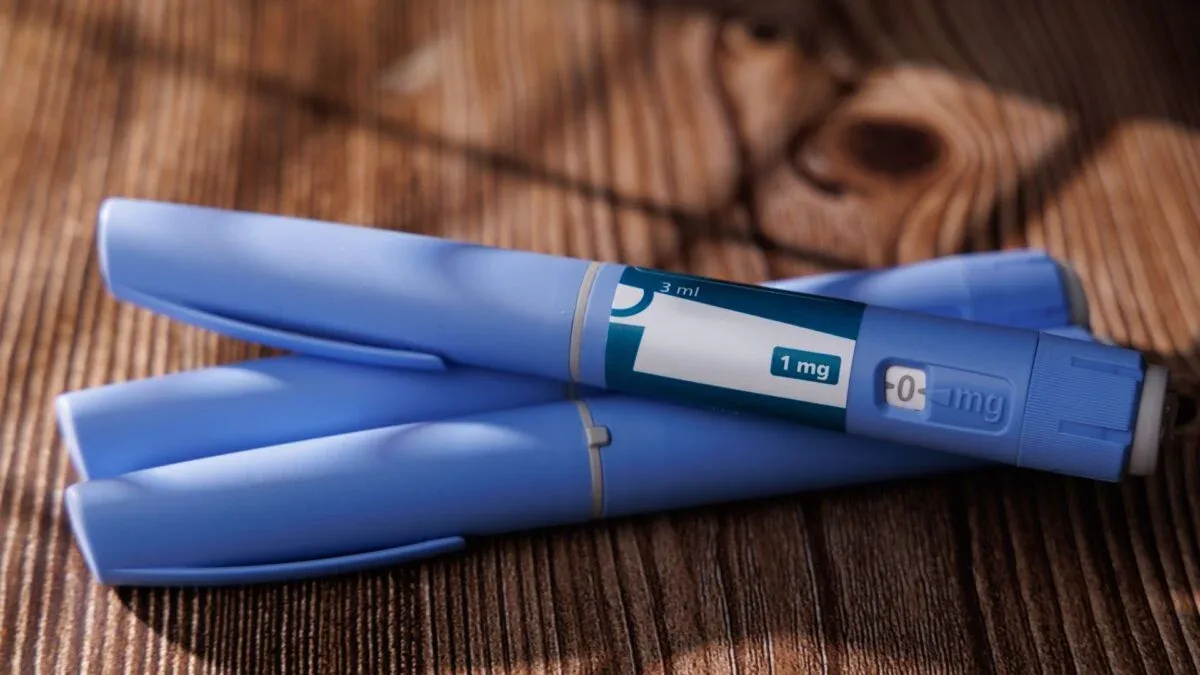
Obat GLP-1 untuk Remaja: Tren Perawatan Obesitas Baru?
Obat GLP-1 semakin populer untuk mengobati obesitas pada remaja dan dewasa muda, menandai pergeseran dari bedah bariatrik. Artikel ini membahas penelitian terbaru, manfaat potensial, dan pertimbangan penting untuk tren yang berkembang ini.
7 menit membaca
Jim Cramer soal Eli Lilly di Tengah Gugatan GLP-1 Pesaing
Jim Cramer memberikan pandangannya mengenai posisi Eli Lilly di pasar GLP-1 menyusul gugatan dari pesaing Novo Nordisk, menganalisis situasi untuk investor. Novo Nordisk menuduh iklan Eli Lilly menyesatkan terkait efikasi obat GLP-1.
7 menit membaca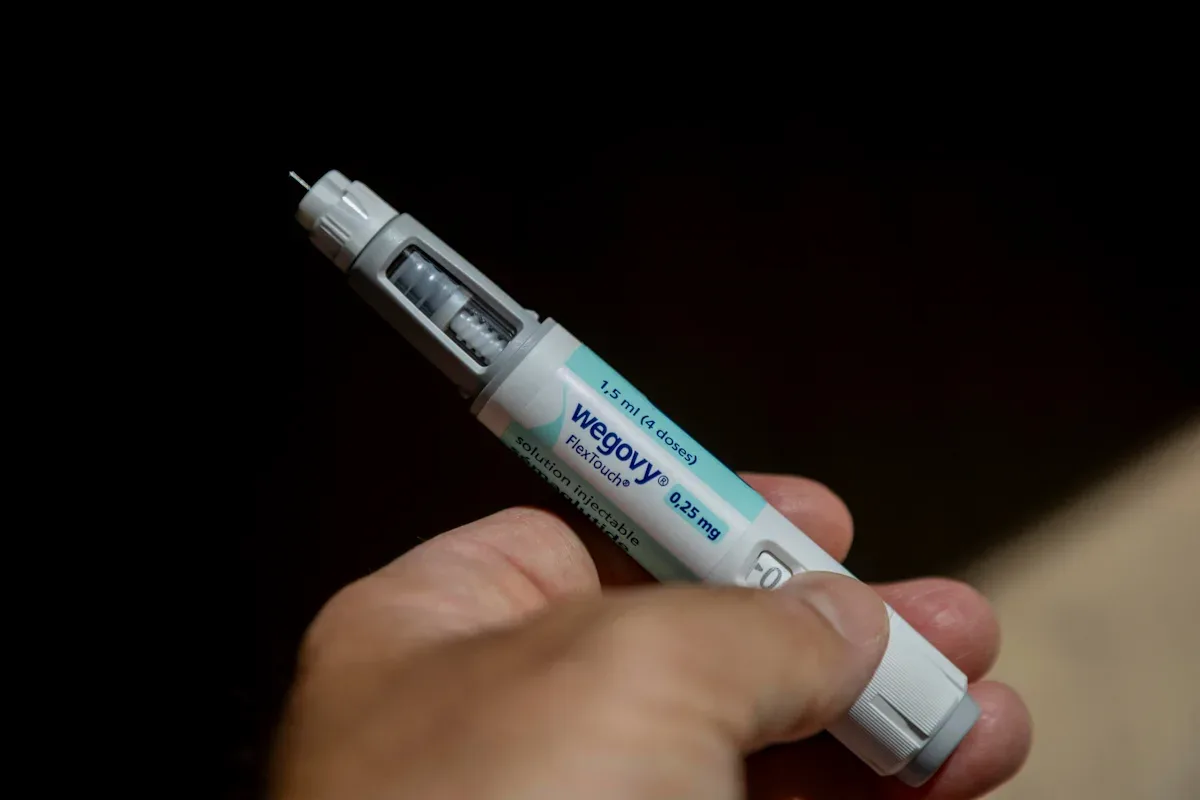
Program Jembatan GLP-1 Medicare untuk Penurunan Berat Badan
Medicare meluncurkan program percontohan baru untuk meningkatkan akses ke obat GLP-1 untuk penurunan berat badan, menawarkan biaya copay bulanan $50 untuk penerima manfaat yang memenuhi syarat. Ini menandai langkah signifikan dalam mencakup obesitas sebagai kondisi medis.
9 menit membacaLainnya di Kesehatan & Kebugaran

Greg Davies dan Realitas Penurunan Berat Badan GLP-1
Komedian Greg Davies berbagi pengalaman penurunan berat badan dengan Ozempic. Pelajari wawasan medis tentang terapi GLP-1, perubahan nafsu makan, dan pelacakan kesehatan untuk hasil yang berkelanjutan.
6 menit membaca
Melampaui Suntikan: Perjalanan Wanita Menurunkan 9 Batu
Melanie Sivier berbagi perjalanan penurunan berat badannya yang luar biasa, memilih perubahan gaya hidup yang berdedikasi daripada intervensi medis seperti gastric band dan agonis GLP-1 yang lebih baru. Ia berhasil menurunkan sembilan batu dan beralih dari ukuran 32 ke 14.
6 menit membaca
Pertanyaan Kritis GLP-1: Cegah Kenaikan Berat Badan
Temukan pertanyaan terpenting yang harus ditanyakan sebelum memulai obat GLP-1 seperti Ozempic atau Wegovy. Pelajari cara memastikan penurunan berat badan yang berkelanjutan dan hindari jebakan umum dalam memandang obat-obatan ini sebagai obat ajaib.
8 menit membaca