
GLP-1 and Gastroparesis
Delayed Gastric Emptying: Symptoms, Surgery Risk & FDA Safety Review (2026)
GLP-1 receptor agonists slow gastric emptying by design, but in some patients this crosses into gastroparesis. This guide covers the symptoms to watch for, the FDA safety review, anesthesia and aspiration risk before surgery, and when to pause or stop treatment.
Delayed Gastric Emptying, Anesthesia Risks & Management (2026)
GLP-1 receptor agonists slow gastric emptying as part of their mechanism of action — this contributes to satiety and postprandial glucose control, but creates clinically significant concerns in specific situations.
In patients with pre-existing gastroparesis, GLP-1 medications can worsen delayed gastric emptying severely. The FDA reviewed reports of aspiration during anesthesia in GLP-1 users due to retained gastric contents.
Understanding when GLP-1-induced gastric slowing becomes dangerous is critical for safe use of semaglutide, tirzepatide, and related medications.
GLP-1 Gastric Emptying — Key Clinical Scenarios
Scenario Risk Level Recommendation
GLP-1 Gastric Emptying — Mechanisms and Clinical Impact
GLP-1 receptor agonists delay gastric emptying through direct GLP-1 receptor activation in the enteric nervous system and via vagal pathways.
This slowing of gastric emptying is intentional and therapeutic — it extends postprandial satiety, blunts postprandial glucose excursions (improving glycemic control), and contributes to reduced appetite.
Semaglutide 1 mg weekly reduces the gastric emptying rate by approximately 25–35% at steady state; tirzepatide has similar effects. In patients with normal gastric motility, this mild-to-moderate slowing is well tolerated and primarily manifests as prolonged fullness after eating.
However, in patients with pre-existing gastroparesis (already impaired gastric emptying from diabetes, surgery, or idiopathic causes), adding GLP-1-mediated further slowing can cause severe nausea, vomiting, early satiety, malnutrition, and abdominal distension requiring hospitalization.
The FDA added gastroparesis to the Warnings and Precautions section of GLP-1 labeling in 2023 based on post-marketing reports.
The most operationally important consequence of GLP-1-induced delayed gastric emptying is the elevated aspiration risk during procedures requiring general anesthesia or deep sedation.
Aspiration of gastric contents (Mendelson syndrome) occurs when stomach contents reflux into the airway during anesthesia-induced loss of protective reflexes. Standard anesthesia fasting guidelines (NPO after midnight for solids, 2 hours for clear liquids) assume normal gastric emptying.
GLP-1 users may have significant retained gastric contents even after standard fasting periods. Several societies (American Society of Anesthesiologists, American Gastroenterological Association) issued guidance recommending holding GLP-1 medications before elective procedures: weekly injections (semaglutide, tirzepatide) — hold 1 injection cycle (1 week); daily injections (liraglutide) — hold 24 hours.
For urgent procedures, anesthesiologists should assume full stomach and use rapid sequence induction. GLP-1 users must always inform their anesthesiologist and surgical team of their medication.
Vital Protocol FAQs
Semaglutide can induce or worsen gastroparesis (delayed gastric emptying) as a consequence of its GLP-1 receptor-mediated effects on gut motility. The FDA added gastroparesis to the Warnings and Precautions section of semaglutide's label in 2023 following post-marketing reports of significant gastroparesis in GLP-1 users.
Drug-induced gastroparesis from GLP-1 medications is most likely in patients who: have pre-existing subclinical gastroparesis, are on high maintenance doses, or have diabetic autonomic neuropathy already impairing gastric motility.
Symptoms of GLP-1-related gastroparesis include persistent nausea and vomiting not improving with dose stabilization, extreme early satiety (feeling full after a few bites), bloating, abdominal distension, and undigested food in vomit.
If persistent GI symptoms develop on GLP-1 therapy, a gastric emptying study can diagnose delayed gastric emptying. In confirmed cases, dose reduction or switching to a shorter-acting GLP-1 agent may be necessary.
Current guidance from multiple anesthesia societies recommends stopping semaglutide before elective surgery to reduce aspiration risk from retained gastric contents.
For weekly GLP-1 injections (semaglutide/Ozempic/Wegovy, tirzepatide/Mounjaro/Zepbound): hold the last injection for 1 week before the procedure — meaning if surgery is Monday, skip the previous Monday's dose.
For daily GLP-1 injections (liraglutide/Victoza/Saxenda): hold for 24 hours before the procedure. For urgent/emergency procedures, these hold times may not be possible — inform the anesthesia team immediately so they can plan for possible full-stomach management.
After surgery, GLP-1 medications can generally be restarted once solid food is tolerated. Patients should document their last GLP-1 injection date and bring this information to all surgical and procedural appointments.
Patients with diagnosed gastroparesis should generally avoid GLP-1 receptor agonists, as GLP-1 medications further delay gastric emptying and can significantly worsen existing gastroparesis symptoms, potentially causing severe nausea, vomiting, malnutrition, and need for hospitalization.
If you have documented gastroparesis and require treatment for obesity or type 2 diabetes, discuss alternative medication classes with your physician: for T2D — SGLT-2 inhibitors (empagliflozin, dapagliflozin), DPP-4 inhibitors (sitagliptin), or metformin do not delay gastric emptying.
For obesity — consider phentermine-topiramate (Qsymia), naltrexone-bupropion (Contrave), or bariatric surgery consultation. If you developed gastroparesis symptoms after starting a GLP-1 medication, inform your prescribing physician promptly — dose reduction, switching to a shorter-acting agent, or discontinuation may be required depending on severity.
Why Track This Protocol with Shotlee
Clinical Evidence GLP-1 and Gastroparesis protocols are supported by clinical research — Shotlee helps you track your own data against published benchmarks. Protocol Tracking Log each dose with exact timing and amount.
Consistent records help you and your provider optimize your protocol. Outcome Monitoring Track your key metrics before and during treatment. Objective data leads to better decisions than memory alone. Side Effect Log Record reactions immediately after each dose.
Pattern detection prevents minor issues from becoming serious problems. Progress Trends Shotlee charts your data over weeks and months — see long-term trends that individual data points can hide. Data-Driven Dosing Your logged data tells you what works.
Use Shotlee charts to make evidence-based adjustments to dose and timing.
Guide FAQs
GLP-1 and gastroparesis — semaglutide and tirzepatide delay gastric emptying. FDA safety review, aspiration anesthesia risk, management strategies.
Yes. Shotlee supports tracking doses, side effects, and health metrics. It is free.
Track Your GLP-1 Protocol in Shotlee
Free dose logging, side effect tracking, and health metric monitoring for your complete protocol.
📚References & sources
Latest on GLP-1 And Gastroparesis
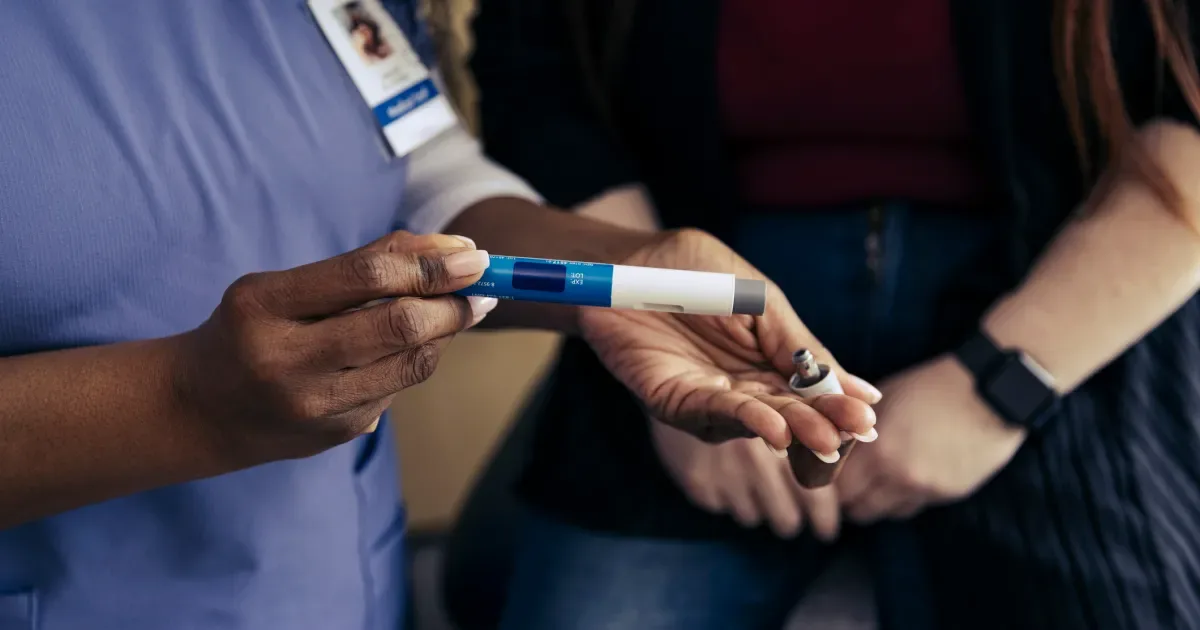
Beyond BMI: Hidden Health Reasons Doctors May Decline Mounjaro or Wegovy
While BMI is a primary factor, a range of underlying health conditions and personal histories can lead to a doctor declining a prescription for popular weight loss medications like Mounjaro and Wegovy. Understanding these criteria is vital before seeking treatment.
7 min read
Beyond Nausea: Unpacking the Unexpected Side Effects of GLP-1s
While GLP-1 medications have revolutionized weight loss and diabetes management, their powerful effects can lead to surprising side effects beyond the commonly known nausea and digestive issues. This article delves into these less-discussed risks, from dental health concerns to serious gastrointestinal complications, and offers practical advice for patients and healthcare providers.
9 min read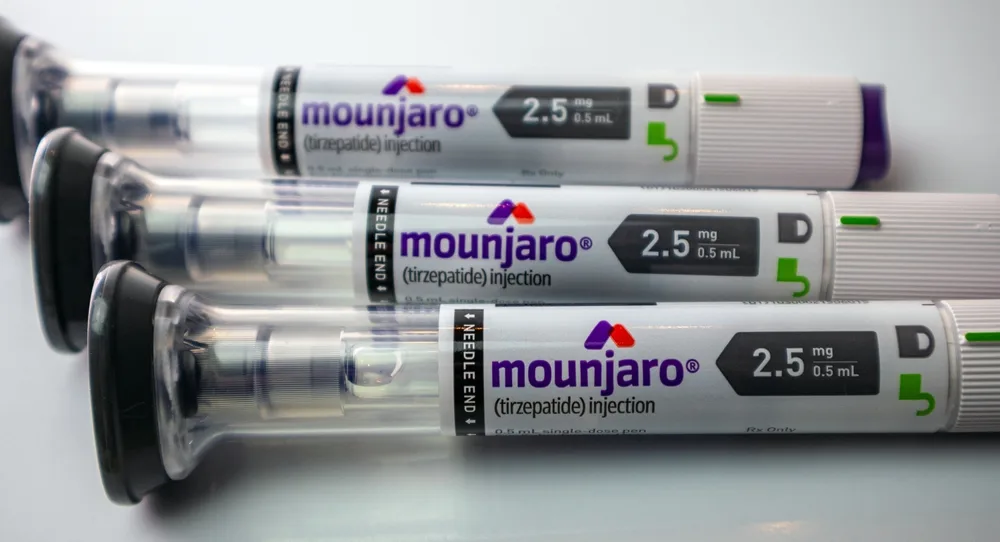
GLP-1 Drugs and Vision Loss: Understanding NAION Lawsuits
Recent lawsuits are raising serious questions about the potential for GLP-1 medications, widely used for diabetes and weight loss, to cause a rare but devastating eye condition known as NAION, leading to permanent vision loss. This article delves into the allegations, scientific evidence, and ongoing legal proceedings.
6 min read