GLP-1 and Type 2 Diabetes Remission
Semaglutide &
Can GLP-1 agonists put type 2 diabetes into remission? SURPASS trial tirzepatide HbA1c data, semaglutide T2D outcomes, and what remission means clinically.
Semaglutide & Tirzepatide HbA1c Data — Can GLP-1s Reverse T2D? (2026)
GLP-1 receptor agonists represent the most significant advance in type 2 diabetes treatment in decades. Tirzepatide achieved HbA1c normalization (<5.7%) in a substantial proportion of SURPASS trial participants — meeting the ADA definition of diabetes remission.
Semaglutide produced HbA1c <7% in over 80% of T2D patients in SUSTAIN trials. These are not simply glucose-lowering medications — they address the root causes of T2D: insulin resistance, beta-cell exhaustion, and obesity-driven metabolic dysfunction.
GLP-1 T2D Outcomes — Trial Data Summary
| Medication | Trial | HbA1c Reduction | % Achieving HbA1c <7% |
|---|---|---|---|
| Tirzepatide 15 mg | SURPASS-2 | -2.46% | ~92%Best |
| Semaglutide 1 mg | SUSTAIN-6 | -1.5% | ~73% |
| Tirzepatide 10 mg | SURPASS-1 | -2.01% | ~87% |
| Semaglutide 2 mg | SUSTAIN FORTE | -2.2% | ~85% |
What GLP-1 Diabetes Remission Means
The American Diabetes Association defines type 2 diabetes remission as HbA1c <6.5% sustained for at least 3 months without active pharmacological therapy.
With continued GLP-1 use, many patients achieve HbA1c <6.5% or even <5.7% (prediabetes range) — which technically represents remission while on medication. When GLP-1 therapy is discontinued, most patients' HbA1c rises again — meaning this is drug-dependent remission rather than cure.
However, for patients who lose substantial weight (15–20%) and maintain that weight loss, durable off-medication remission becomes more likely, as the DiRECT trial (using a low-calorie diet) demonstrated in 50% of participants.
Tirzepatide (Mounjaro/Zepbound) is the most potent glucose-lowering agent ever approved for T2D.
In SURPASS-2, tirzepatide 15 mg achieved HbA1c normalization (<5.7%) in approximately 51% of patients — meaning over half of T2D participants achieved glucose levels indistinguishable from a non-diabetic person.
The dual GLP-1/GIP mechanism of tirzepatide produces synergistic effects on both insulin secretion and insulin sensitivity, addressing the two core defects of T2D. Combined with 20%+ weight loss (which independently drives T2D remission), tirzepatide may offer the best pharmacological path to T2D remission for eligible patients.
Vital Protocol FAQs
Semaglutide can achieve HbA1c levels in the normal range (<5.7%) in a substantial subset of T2D patients — which meets the ADA definition of remission while on medication.
In SUSTAIN FORTE, semaglutide 2 mg weekly reduced HbA1c by an average of 2.2% and achieved <7% in approximately 85% of participants. However, true off-medication remission (sustained normal HbA1c without any therapy) is less common — most patients see HbA1c rise when stopping semaglutide unless significant weight loss (15%+) is maintained.
Semaglutide is best understood as achieving functional remission (normal glucose while on drug) that may become durable with sustained lifestyle change.
Tirzepatide is the most potent glucose-lowering drug ever approved.
In SURPASS trials, tirzepatide 15 mg reduced HbA1c by up to 2.46% vs baseline in T2D patients — greater than any previously available T2D medication including insulin. More remarkably, ~51% of SURPASS-2 participants achieved HbA1c <5.7% (the non-diabetic normal range) — meaning half of T2D patients on tirzepatide had glucose levels normalized to non-diabetic values.
This unprecedented efficacy reflects tirzepatide's dual GIP+GLP-1 mechanism, which simultaneously improves insulin secretion, insulin sensitivity, body weight, and hepatic glucose production.
For most T2D patients who are not insulin-dependent (early-to-moderate T2D), GLP-1 agonists are generally preferred over insulin due to superior outcomes.
GLP-1 medications produce greater HbA1c reduction with lower hypoglycemia risk (they only stimulate insulin when glucose is elevated — glucose-dependent action), significant weight loss (vs weight gain with insulin), cardiovascular risk reduction (SELECT, LEADER, SUSTAIN-6 trials), and renal protection.
Insulin remains essential for: late-stage T2D with beta-cell failure, type 1 diabetes, hospitalizations, and patients who cannot afford/tolerate GLP-1 medications. Current ADA and AACE guidelines prioritize GLP-1 agonists over insulin for T2D management when appropriate.
Why Track This Protocol with Shotlee
Clinical Evidence GLP-1 and Type 2 Diabetes Remission protocols are supported by clinical research — Shotlee helps you track your own data against published benchmarks. Protocol Tracking Log each dose with exact timing and amount.
Consistent records help you and your provider optimize your protocol. Outcome Monitoring Track your key metrics before and during treatment. Objective data leads to better decisions than memory alone. Side Effect Log Record reactions immediately after each dose.
Pattern detection prevents minor issues from becoming serious problems. Progress Trends Shotlee charts your data over weeks and months — see long-term trends that individual data points can hide. Data-Driven Dosing Your logged data tells you what works.
Use Shotlee charts to make evidence-based adjustments to dose and timing.
Guide FAQs
Clinical trial data shows that GLP-1 receptor agonists can achieve diabetes remission — defined as HbA1c below 6.5% without diabetes medications for at least 3 months — in a significant subset of patients. The SURPASS trials showed tirzepatide 15mg achieved HbA1c below 5.7% (normal range) in up to 50% of participants with type 2 diabetes. Semaglutide trials have shown similar potential, particularly in patients with shorter diabetes duration and higher baseline beta-cell function. Track your HbA1c trajectory in Shotlee.
Diabetes remission is defined by the American Diabetes Association as maintaining HbA1c below 6.5% for at least 3 months without any glucose-lowering medications. This is distinct from a cure — remission can be temporary, and ongoing monitoring is essential. Factors associated with achieving remission include shorter diabetes duration, lower baseline HbA1c, higher residual beta-cell function, and significant weight loss (typically greater than 15% of body weight). Use Shotlee to track your HbA1c over time and monitor for any signs of glycemic recurrence.
Tirzepatide (Mounjaro) currently has the strongest published remission data, with SURPASS-4 showing up to 50% of participants achieving normoglycemia (HbA1c below 5.7%) at the 15mg dose. Semaglutide (Ozempic/Wegovy) has also demonstrated significant HbA1c reductions, with some patients achieving remission criteria particularly at higher doses and with concurrent lifestyle modification. The dual GIP/GLP-1 mechanism of tirzepatide appears to provide additional glycemic benefit beyond GLP-1 agonism alone.
The highest-priority metrics for monitoring diabetes remission potential are: HbA1c every 3 months (the primary remission criterion), fasting glucose weekly or as directed, post-meal glucose at 1 and 2 hours, body weight weekly under consistent conditions, waist circumference monthly, medication doses and any dose reductions, dietary changes and macronutrient composition, and physical activity duration and type. Log all of these in Shotlee to build the longitudinal dataset your endocrinologist needs to evaluate remission status.
Yes. Shotlee supports comprehensive diabetes remission tracking including GLP-1 dose logging, HbA1c and glucose result documentation, body weight and composition trends, concurrent medication tracking, dietary notes, and exercise logging. Having this complete dataset enables your healthcare provider to objectively assess whether you are approaching or maintaining remission criteria and make evidence-based medication adjustment decisions.
Track Your GLP-1 Protocol in Shotlee
Free dose logging, side effect tracking, and health metric monitoring for your complete protocol.
📚References & sources
Latest on GLP-1 And Diabetes Remission
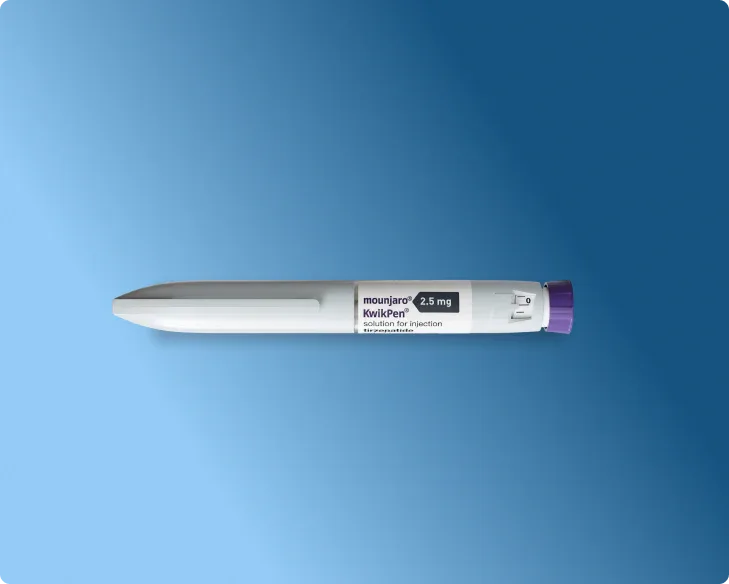
Mounjaro KwikPen: Your Guide to Effective Weekly Injections
This comprehensive guide explains how to use the Mounjaro KwikPen for effective weekly self-injections, detailing preparation, injection sites, and a step-by-step process to ensure proper administration and maximize treatment benefits.
7 min read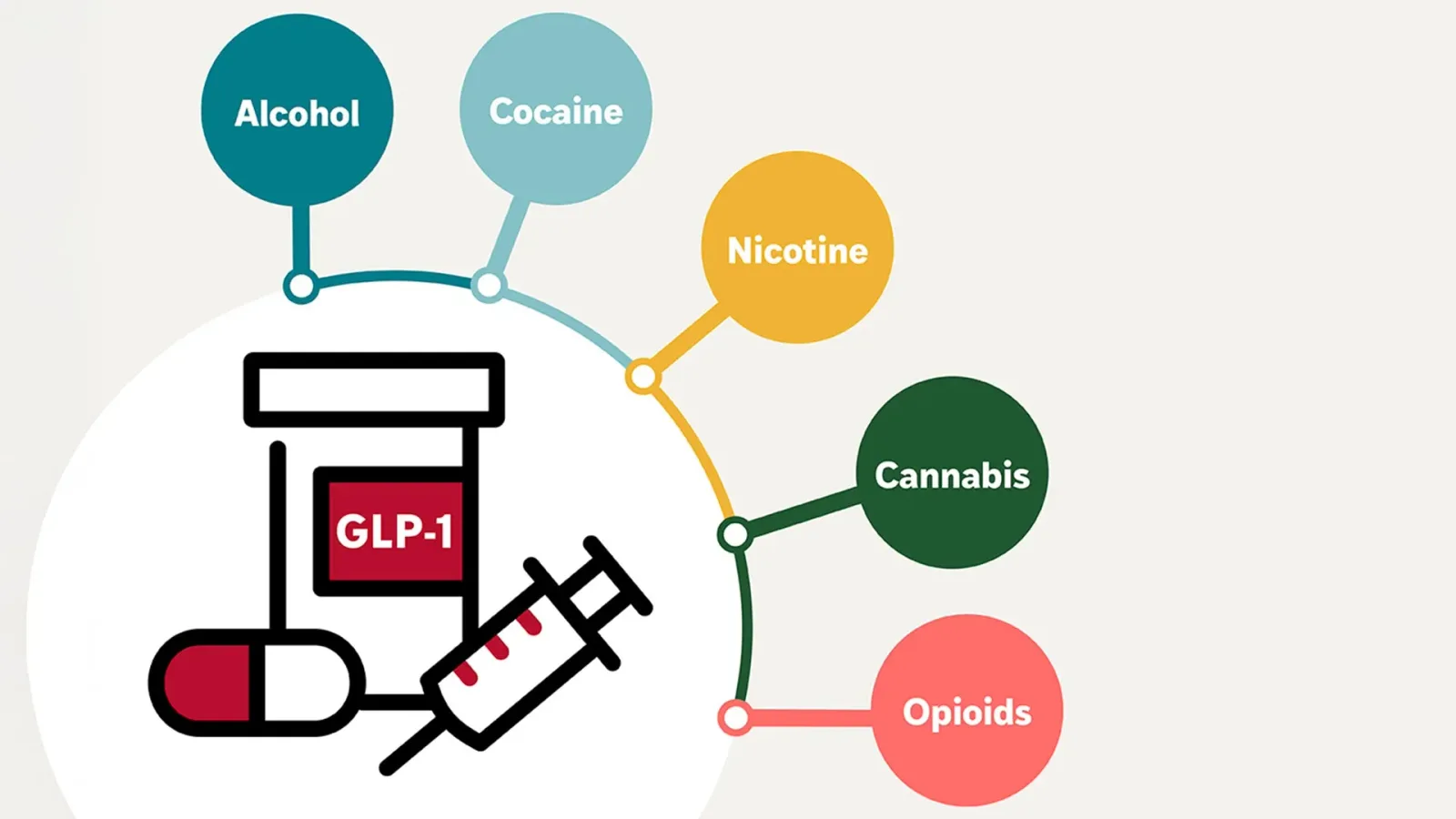
GLP-1 Weight-Loss Drugs Linked to Lower Risks of Addiction and Overdose
Explore the groundbreaking research linking GLP-1 medications, including Ozempic, Wegovy, Mounjaro, and Zepbound, to a reduced risk of substance use disorders and fewer addiction-related emergencies.
8 min read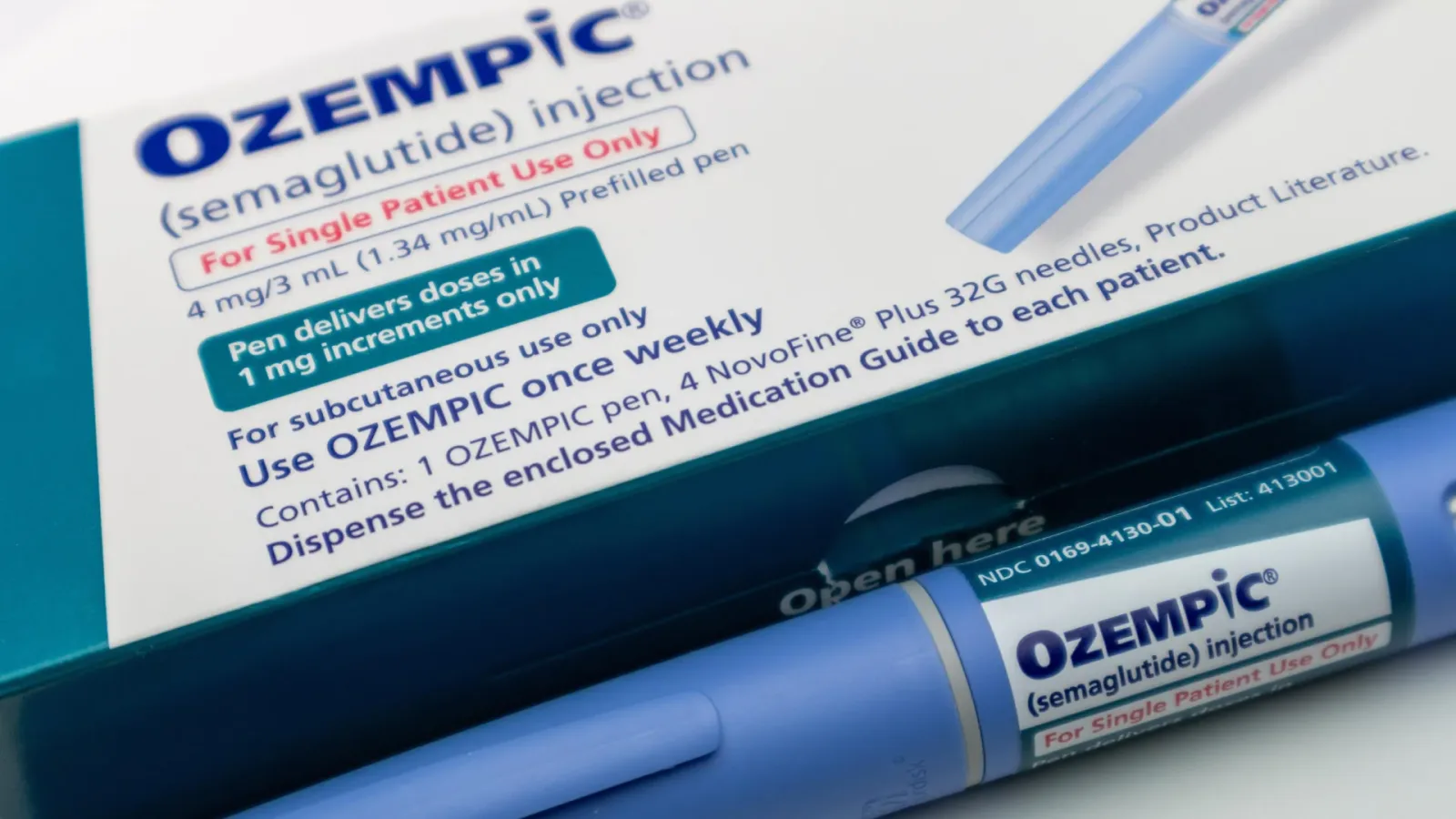
Ozempic and Wegovy Use Linked to Thousands of Poison Control Calls
The widespread adoption of Ozempic and Wegovy for weight loss has coincided with a significant rise in calls to poison control centers. This article delves into the research behind this trend, highlighting common mistakes and the importance of proper patient education.
6 min read