
GLP-1 and Cancer Risk
What Semaglutide & Tirzepatide
GLP-1 and cancer: semaglutide thyroid C-cell warning explained vs actual human data, SELECT trial cancer findings, colorectal cancer risk reduction.
What Semaglutide & Tirzepatide Research Actually Shows (2026)
GLP-1 receptor agonists carry an FDA label warning for thyroid C-cell tumors based on rodent data — but human clinical trial evidence tells a different story. The SELECT trial (17,604 patients) showed no increased cancer mortality with semaglutide over 5 years.
Observational data suggests GLP-1 users may have lower colorectal cancer risk. Understanding the difference between regulatory label caution and human epidemiological evidence is critical for informed decision-making on semaglutide, tirzepatide, and other GLP-1 medications.
GLP-1 Cancer Evidence — What the Data Shows
Cancer Type / Concern Evidence Source Finding
Understanding the GLP-1 Cancer Label Warning
The FDA black box warning on GLP-1 medications for medullary thyroid carcinoma (MTC) and Multiple Endocrine Neoplasia syndrome type 2 (MEN2) is based on studies in rats and mice that showed dose-dependent thyroid C-cell hyperplasia and adenomas.
However, rodents have much higher GLP-1 receptor density in thyroid C-cells than humans — making direct extrapolation biologically questionable. Human epidemiological studies including large pharmacovigilance databases and the SELECT cardiovascular outcomes trial have not confirmed a human MTC risk signal.
The warning remains in place under the precautionary principle, but contraindication applies only to patients with personal or family history of MTC or MEN2.
The SELECT trial enrolled 17,604 non-diabetic overweight/obese adults with established cardiovascular disease and followed them for a mean of 34 months on semaglutide 2.4 mg vs placebo.
This is the largest and most comprehensive human safety dataset for semaglutide outside of T2D populations. SELECT showed a 20% reduction in MACE (major adverse cardiovascular events) and critically — no significant increase in cancer-related events or cancer mortality in the semaglutide arm.
This provides strong reassurance for the most common cancer concern in GLP-1 users.
Vital Protocol FAQs
Based on current human clinical trial evidence, semaglutide (Ozempic/Wegovy) does not cause cancer in humans. The SELECT trial — the largest cardiovascular outcomes trial for semaglutide with 17,604 participants followed for nearly 3 years — showed no significant increase in cancer incidence or cancer-related deaths.
The FDA label does carry a black box warning for medullary thyroid carcinoma based on rodent data, but this rodent finding has not been replicated in human epidemiological studies. Patients with personal or family history of MTC or MEN2 should not use GLP-1 medications — for all others, available evidence does not support a cancer risk concern.
The FDA warning specifically concerns medullary thyroid carcinoma (MTC) — a cancer of the thyroid C-cells (calcitonin-producing cells), which is distinct from the more common papillary or follicular thyroid cancers.
Rodent studies showed GLP-1 receptor activation in C-cells causes hyperplasia in these species. However, humans have far fewer GLP-1 receptors in thyroid C-cells than rodents, and large human pharmacovigilance datasets have not detected a signal for increased MTC rates among GLP-1 users.
The current recommendation: avoid GLP-1 medications if you have personal or family history of MTC or MEN2; routine thyroid monitoring is not required for other patients.
Emerging observational evidence suggests GLP-1 medications may actually reduce colorectal cancer risk.
A large study published in JAMA Oncology found GLP-1 users had significantly lower colorectal cancer incidence compared to patients using other diabetes medications. The proposed mechanisms are biologically plausible: (1) GLP-1 reduces hyperinsulinemia and IGF-1 levels — both drivers of colorectal cancer cell proliferation.
(2) GLP-1 has direct anti-inflammatory effects on the gut mucosa that may reduce cancer-promoting inflammation. (3) Weight loss itself reduces colorectal cancer risk (obesity is a major risk factor). While these findings are observational and require RCT confirmation, they suggest the cancer risk profile of GLP-1 medications may be net-protective rather than net-harmful.
Why Track This Protocol with Shotlee
Clinical Evidence GLP-1 and Cancer Risk protocols are supported by clinical research — Shotlee helps you track your own data against published benchmarks. Protocol Tracking Log each dose with exact timing and amount.
Consistent records help you and your provider optimize your protocol. Outcome Monitoring Track your key metrics before and during treatment. Objective data leads to better decisions than memory alone. Side Effect Log Record reactions immediately after each dose.
Pattern detection prevents minor issues from becoming serious problems. Progress Trends Shotlee charts your data over weeks and months — see long-term trends that individual data points can hide. Data-Driven Dosing Your logged data tells you what works.
Use Shotlee charts to make evidence-based adjustments to dose and timing.
Guide FAQs
GLP-1 and cancer: semaglutide thyroid C-cell warning explained vs actual human data, SELECT trial cancer findings, colorectal cancer risk reduction.
Yes. Shotlee supports tracking doses, side effects, and health metrics. It is free.
Track Your GLP-1 Protocol in Shotlee
Free dose logging, side effect tracking, and health metric monitoring for your complete protocol.
📚References & sources
Latest on GLP-1 And Cancer
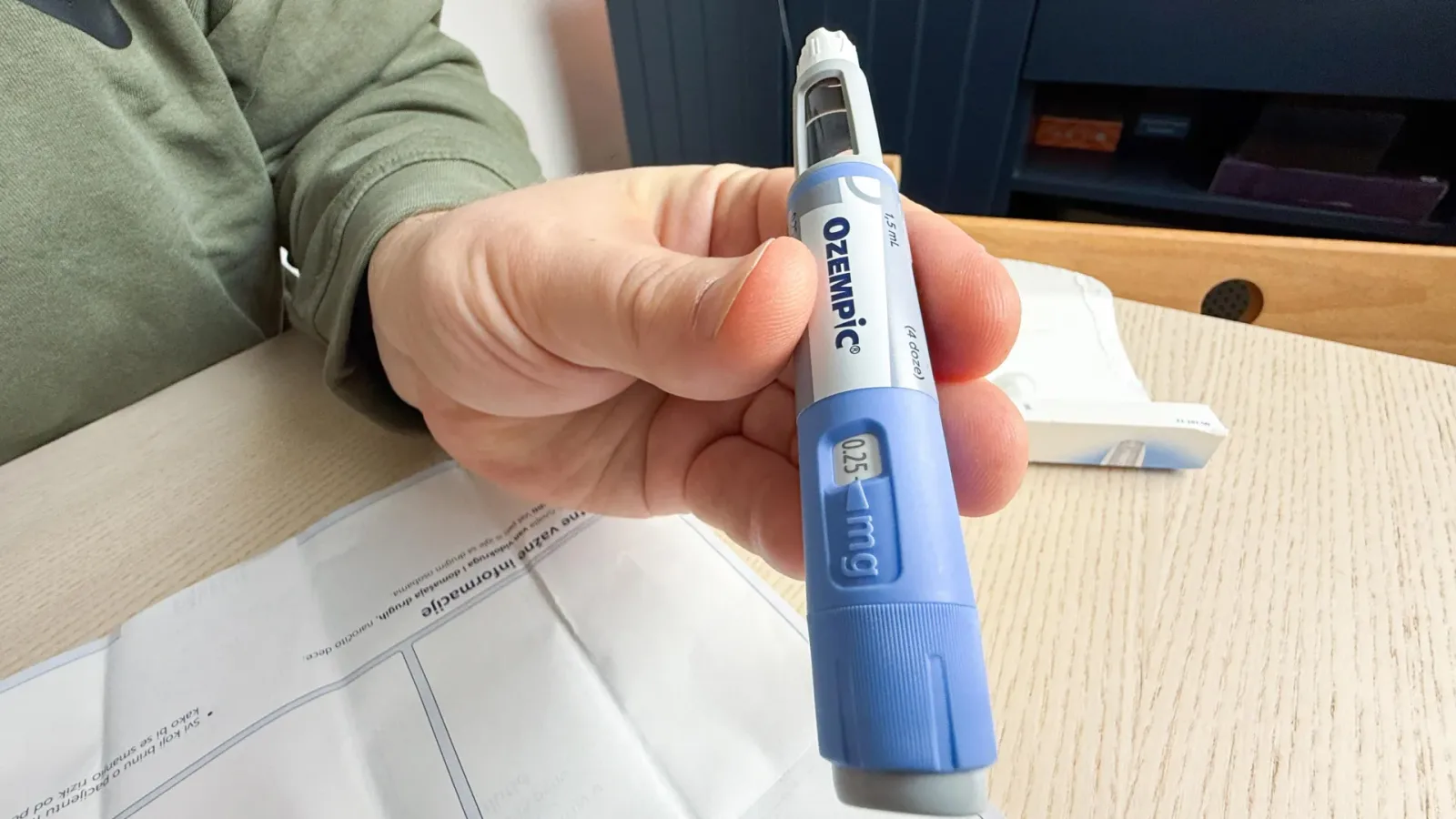
Ozempic and Similar Weight-Loss Medications Linked to 30% Lower Breast Cancer Risk
A major study from Penn Medicine reveals a potential link between GLP-1 medications like Ozempic and a significant reduction in breast cancer risk, offering new hope for preventive care.
7 min read
Beyond Weight Loss: The Expanding Horizon of GLP-1 Therapies
GLP-1 agonists, famously known for Ozempic and Wegovy, are making waves beyond their initial indications. While weight loss and diabetes management remain key, researchers are uncovering a broader therapeutic potential for these powerful peptide therapies.
8 min read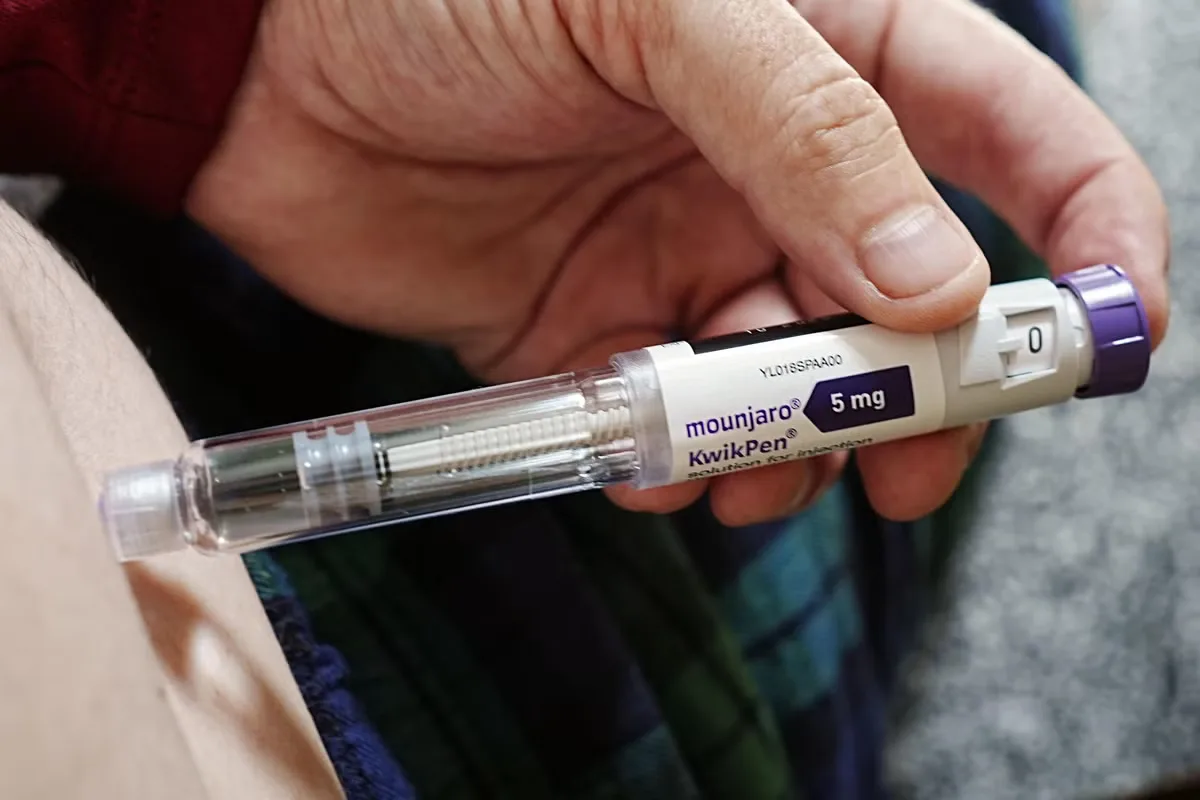
Beyond Weight Loss: Surprising Health Benefits of GLP-1 Drugs
While widely recognized for their effectiveness in weight management, GLP-1 receptor agonists are revealing a spectrum of profound health benefits. Discover how these groundbreaking medications are impacting cardiovascular health, kidney function, liver disease, and even potentially neurodegenerative conditions.
7 min read