
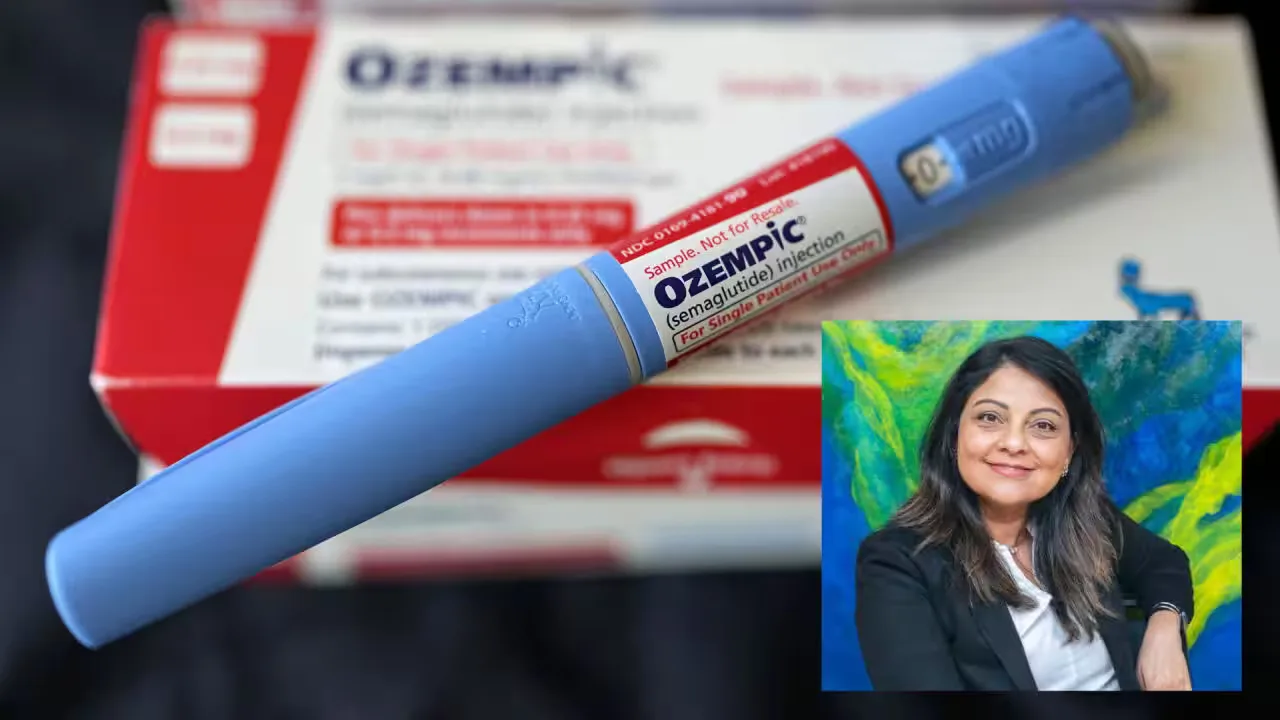
Pérdida de peso con Ozempic: por qué su cuerpo necesita un paso clave más

Ozempic es un nombre conocido, pero los expertos advierten que no es una solución mágica. La Dra. Shilpa Verma discute el componente esencial del estilo de vida requerido para una pérdida de peso sostenible.
En esta página
- Pérdida de peso con Ozempic: por qué su cuerpo necesita un paso clave más
- Entendiendo el Fenómeno Ozempic
- El Crítico "Paso Clave Más"
- Navegando la Seguridad y los Efectos Secundarios
- Sosteniendo los Resultados Más Allá de la Receta
- Aprovechando la Tecnología para Mejores Resultados
- Conclusión
- Cómo funciona la Semaglutida
- Por qué la Medicación Sola No Es Suficiente
- Preocupaciones Gastrointestinales Comunes
- Datos de Seguridad a Largo Plazo
- Comparación de la Medicación vs. Requisitos de Estilo de Vida
- El Riesgo de Recuperación de Peso
- Seguimiento de Síntomas y Progreso con Shotlee
- Puntos Clave
Pérdida de peso con Ozempic: por qué su cuerpo necesita un paso clave más
Pocas medicinas han capturado la imaginación del público como Ozempic en los últimos años. Parte de una nueva clase de medicamentos conocidos como agonistas del receptor GLP-1, ha pasado rápidamente de ser una prescripción para la diabetes tipo 2 a un nombre familiar asociado con una pérdida de peso significativa. Sin embargo, más allá de los titulares y las tendencias en redes sociales, queda una pregunta crítica: ¿qué es exactamente Ozempic y cómo funciona realmente dentro del cuerpo humano?
En una reciente conversación con la experta médica Dra. Shilpa Verma, la discusión fue más allá del entusiasmo para abordar los matices del tratamiento. Si bien el medicamento altera eficazmente el apetito y las señales metabólicas, la Dra. Verma destaca una idea crucial: la medicación por sí sola rara vez es suficiente para obtener resultados reales y duraderos. Su cuerpo necesita un paso clave más para asegurar que el peso se mantenga bajo control y su salud mejore de manera integral.
Este artículo explora la ciencia detrás de la semaglutida, el perfil de seguridad de las terapias GLP-1 y la integración esencial del estilo de vida requerida para maximizar los beneficios. También discutimos cómo las herramientas modernas de seguimiento de la salud pueden apoyar este viaje, asegurando que usted se mantenga informado y comprometido durante todo su tratamiento.
Entendiendo el Fenómeno Ozempic
Para comprender por qué Ozempic es tan efectivo, primero debemos observar su ingrediente activo: la semaglutida. La semaglutida pertenece a una clase de medicamentos llamados agonistas del receptor del péptido similar al glucagón tipo 1 (GLP-1). Naturalmente, su cuerpo produce hormonas GLP-1 en el intestino, que le indican al cerebro que se sienta lleno después de comer.
Cómo funciona la Semaglutida
Cuando se administra como una inyección semanal, la semaglutida imita esta hormona natural. Se une a receptores en el cerebro que regulan el apetito, enviando señales más fuertes de saciedad. Esto reduce el impulso de comer en exceso y ayuda a las personas a sentirse satisfechas con porciones más pequeñas. Además, ralentiza el vaciamiento gástrico, lo que significa que la comida permanece en el estómago por más tiempo, contribuyendo aún más a esa sensación de plenitud.
Sin embargo, este cambio fisiológico es solo la mitad de la ecuación. Si bien la medicación cambia el impulso biológico para comer, no reeduca automáticamente los hábitos ni aborda la relación psicológica con la comida. Aquí es donde el "paso clave más" discutido por los expertos se vuelve vital.
El Crítico "Paso Clave Más"
La Dra. Shilpa Verma enfatiza que, si bien Ozempic proporciona una herramienta poderosa para el control del peso, no es una cura independiente. El eslabón perdido para muchos usuarios es la integración de cambios sostenibles en el estilo de vida. Confiar únicamente en la medicación sin ajustar la dieta y los niveles de actividad puede llevar a resultados subóptimos.
Por qué la Medicación Sola No Es Suficiente
La medicación actúa como un catalizador, reduciendo la barrera de entrada para la pérdida de peso al controlar las hormonas del hambre. Sin embargo, sin un esfuerzo consciente, el cuerpo puede adaptarse o se puede perder masa muscular junto con la grasa. El "paso clave" implica:
- Conciencia Nutricional: Aprender a priorizar proteínas y fibra para apoyar el apetito reducido sin desnutrición.
- Movimiento: Participar en actividad física para preservar la masa muscular magra, que es crucial para la salud metabólica a largo plazo.
- Cambio de Comportamiento: Abordar los desencadenantes de la alimentación emocional que la medicación no puede solucionar por sí sola.
Al combinar los beneficios farmacológicos de la semaglutida con estos ajustes conductuales, los pacientes pueden lograr un efecto sinérgico que conduce a mejoras de salud más sólidas y duraderas.
Navegando la Seguridad y los Efectos Secundarios
Como con cualquier medicamento potente, la seguridad es una preocupación principal para los pacientes que consideran las terapias GLP-1. Si bien Ozempic generalmente se tolera bien, comprender el perfil de efectos secundarios es esencial para gestionar las expectativas y garantizar la adherencia al plan de tratamiento.
Seguimiento preciso para tu cambio
Únete a miles de usuarios que utilizan Shotlee para rastrear con precisión los medicamentos GLP-1 y sus efectos secundarios.
📱 Usar Shotlee Gratis
Únete a miles de usuarios que utilizan Shotlee para rastrear con precisión los medicamentos GLP-1 y sus efectos secundarios.
Preocupaciones Gastrointestinales Comunes
Los efectos secundarios más frecuentemente reportados son de naturaleza gastrointestinal. Estos pueden incluir náuseas, vómitos, diarrea y estreñimiento. Estos síntomas a menudo ocurren al comenzar la medicación o cuando se aumenta la dosis. La mayoría de los pacientes descubren que estos efectos disminuyen con el tiempo a medida que el cuerpo se adapta al medicamento.
Datos de Seguridad a Largo Plazo
Los estudios a largo plazo continúan monitoreando la seguridad de la semaglutida. Los datos actuales sugieren que para la mayoría de los pacientes, los beneficios de la pérdida de peso y la reducción del riesgo cardiovascular superan los riesgos. Sin embargo, los pacientes con antecedentes de ciertas afecciones, como el carcinoma medular de tiroides, deben discutir esto con su proveedor de atención médica antes de comenzar el tratamiento.
Comparación de la Medicación vs. Requisitos de Estilo de Vida
| Factor | Medicamento (Ozempic) | Intervención de Estilo de Vida |
|---|---|---|
| Control del Apetito | Alto (Regulación hormonal) | Moderado (Requiere disciplina) |
| Preservación Muscular | Bajo (Riesgo de pérdida sin ejercicio) | Alto (Con entrenamiento de resistencia) |
| Sostenibilidad | Dependiente del uso continuado | Cambio de hábito permanente |
| Efectos Secundarios | Problemas gastrointestinales comunes | Mínimos (Solo esfuerzo físico) |
| Costo | Alto (Receta mensual) | Variable (Alimentos y equipo) |
Sosteniendo los Resultados Más Allá de la Receta
Uno de los desafíos más significativos en el tratamiento de la pérdida de peso es lo que sucede después de suspender la medicación. Los ensayos clínicos han demostrado que cuando se interrumpe la semaglutida, el apetito a menudo regresa a los niveles basales y puede ocurrir cierta recuperación de peso.
El Riesgo de Recuperación de Peso
Es por eso que el "paso clave" de la integración del estilo de vida es tan crítico. Si un paciente utiliza el tiempo con la medicación para aprender a comer bien, a mover su cuerpo y a manejar el estrés, construye una base que lo apoya incluso después de que el medicamento ya no esté en su sistema. El objetivo es pasar de un paciente que depende de un medicamento a una persona que depende de hábitos saludables.
Aprovechando la Tecnología para Mejores Resultados
En la era digital, gestionar un plan de tratamiento complejo como la terapia GLP-1 requiere organización y monitoreo. Aquí es donde la tecnología de seguimiento de la salud juega un papel fundamental. Herramientas como Shotlee pueden ayudar a los pacientes a mantenerse conectados con sus datos de salud, asegurando que aprovechen al máximo su tratamiento.
Seguimiento de Síntomas y Progreso con Shotlee
Manejar los efectos secundarios y los horarios de dosificación puede ser abrumador. Shotlee permite a los usuarios:
- Registrar Inyecciones: Mantener un registro preciso de cuándo se toman las dosis para evitar dosis omitidas o dobles.
- Monitorear Síntomas: Registrar cualquier problema gastrointestinal para compartir con su médico durante las citas de seguimiento.
- Seguir Métricas: Monitorear el peso, la presión arterial y otros signos vitales para ver la imagen completa de la mejora de su salud.
Al digitalizar estos datos, los pacientes pueden identificar patrones, como si ciertos alimentos desencadenan náuseas o si sus niveles de energía se correlacionan con su horario de dosificación. Esto empodera a los pacientes para tener conversaciones más informadas con sus proveedores de atención médica.
Conclusión
Ozempic representa un avance significativo en el tratamiento de la obesidad y la diabetes tipo 2, ofreciendo esperanza a quienes han luchado con métodos tradicionales de pérdida de peso. Sin embargo, como advierten la Dra. Shilpa Verma y otros expertos médicos, la medicación es una herramienta, no una varita mágica. El "paso clave más" implica comprometerse con los cambios de estilo de vida que apoyan los efectos fisiológicos de la medicación.
Al combinar la semaglutida con una nutrición consciente, actividad física regular y un seguimiento de salud diligente, puede maximizar sus resultados y construir un camino sostenible hacia una mejor salud. Consulte siempre con un profesional de la salud calificado para determinar si la terapia GLP-1 es adecuada para usted y para crear un plan integral que aborde sus necesidades únicas.
Puntos Clave
- Ozempic (semaglutida) funciona imitando las hormonas GLP-1 para reducir el apetito.
- La medicación por sí sola es insuficiente; los cambios en el estilo de vida son el "paso faltante" crítico.
- Los efectos secundarios gastrointestinales son comunes pero a menudo temporales.
- La recuperación de peso es posible después de suspender la medicación sin cambios de hábitos.
- Las aplicaciones de seguimiento de la salud como Shotlee ayudan a gestionar las dosis y monitorear el progreso.
?Preguntas Frecuentes
¿Funciona Ozempic sin cambios en la dieta?
Ozempic puede provocar pérdida de peso sin cambios estrictos en la dieta debido a la supresión del apetito, pero los expertos enfatizan que los resultados sostenibles requieren ajustes dietéticos y actividad física para preservar la masa muscular y prevenir la recuperación de peso.
¿Cuáles son los efectos secundarios más comunes?
Los efectos secundarios más comunes son gastrointestinales, incluyendo náuseas, vómitos, diarrea y estreñimiento. Estos suelen ocurrir al iniciar el tratamiento o al aumentar la dosis y a menudo desaparecen a medida que el cuerpo se adapta.
¿Puedo dejar Ozempic y mantener la pérdida de peso?
La recuperación de peso es común después de suspender Ozempic, ya que las señales de apetito vuelven a la normalidad. El mantenimiento a largo plazo depende de los hábitos de estilo de vida y los cambios conductuales adoptados mientras se toma la medicación.
¿Es Ozempic lo mismo que Wegovy?
Ambos contienen el mismo ingrediente activo, semaglutida, pero están aprobados para diferentes indicaciones. Ozempic es principalmente para la diabetes tipo 2, mientras que Wegovy está aprobado por la FDA específicamente para el manejo crónico del peso.
¿Cómo puedo seguir mi progreso durante el tratamiento?
El uso de herramientas de seguimiento de la salud como Shotlee le permite registrar inyecciones, monitorear efectos secundarios y seguir sus signos vitales. Estos datos ayudan a identificar patrones y proporcionan información valiosa para su proveedor de atención médica.
Información de la fuente
Publicado originalmente por SBS.Lee el artículo original →
Sigue explorando
Mismo tema: Control de Peso
Medicamentos GLP-1 para la Pérdida de Peso en Adolescentes: ¿Nueva Tendencia?
Los medicamentos GLP-1 están transformando la atención de la obesidad en adolescentes y adultos jóvenes, con un cambio notable de la cirugía bariátrica. Este artículo profundiza en la investigación más reciente, los beneficios potenciales y las consideraciones importantes para esta tendencia emergente.
7 min. de lectura
Jim Cramer sobre Eli Lilly y la demanda de GLP-1
Jim Cramer analiza la posición de Eli Lilly en el mercado de GLP-1 tras una demanda de su competidor Novo Nordisk, evaluando la situación para los inversores y las implicaciones para el sector.
7 min. de lectura
Programa Puente GLP-1 de Medicare: Lo que debe saber
Medicare lanza un nuevo programa piloto para aumentar el acceso a medicamentos GLP-1 para la pérdida de peso, ofreciendo un copago mensual de $50 para beneficiarios elegibles. Esto marca un paso significativo en la cobertura de la obesidad como condición médica.
9 min. de lecturaMás en Salud y Bienestar

Greg Davies y la Pérdida de Peso con GLP-1: Lecciones Clave
El comediante Greg Davies comparte su experiencia con Ozempic y la pérdida de peso. Descubra las lecciones médicas sobre la terapia GLP-1, los cambios en el apetito y la importancia del seguimiento para resultados sostenibles.
6 min. de lectura
Advertencia sobre la píldora Wegovy: 3 cambios ahora
La nueva formulación oral de Wegovy ha llegado, pero las preocupaciones sobre la caída del cabello persisten. Descubra la ciencia detrás del riesgo y tres cambios prácticos en el estilo de vida para proteger la salud de su cabello mientras usa semaglutida.
8 min. de lectura
Más Allá de la Inyección: El Viaje de una Mujer Hacia la Pérdida de 9 Piedras
Melanie Sivier comparte su notable viaje de pérdida de 9 piedras, optando por un cambio de estilo de vida dedicado en lugar de intervenciones médicas como bandas gástricas y los más nuevos agonistas GLP-1.
6 min. de lectura