
CJC-1295 Guide
DAC vs No DAC, Dosage & Ipamorelin Stack
Complete CJC-1295 guide: DAC vs No DAC explained, dosage protocols, the gold-standard ipamorelin stack, IGF-1 effects, and how this GHRH analogue works.
What Is CJC-1295?
CJC-1295 is a synthetic peptide analogue of GHRH — Growth Hormone Releasing Hormone — the endogenous signal produced by the hypothalamus that travels to the pituitary gland to stimulate GH synthesis and pulsatile release. The natural GHRH molecule (GHRH 1-44) is fragile and rapidly degraded by blood enzymes, giving it a half-life of only 5–7 minutes after injection.
CJC-1295 was engineered to solve this degradation problem. The base structure uses GHRH(1-29) — the biologically active fragment — with four amino acid substitutions at positions 2, 8, 15, and 27 that protect key proteolytic cleavage sites. This gives CJC-1295 significantly improved resistance to serum enzymes compared to native GHRH. The No DAC form achieves approximately a 30-minute half-life; the With DAC form extends this to approximately 8 days through albumin binding.
A critical practical note: in the peptide research market, vendors frequently sell products labeled only as "CJC-1295" without specifying whether DAC is present. Always confirm which form you have. A rough guide: CJC-1295 No DAC (Mod GRF 1-29) has a molecular weight of approximately 3.3 kDa; CJC-1295 With DAC is approximately 3.6 kDa. If injection frequency is unclear from your source's labeling, treat it as No DAC until confirmed.
Short-acting form produces pulsatile GH release — injected 1–3x daily alongside a GHRP for physiologic pulsatility.
Drug Affinity Complex binds serum albumin, extending half-life dramatically. Injected 1–2x per week for continuous GHRH signaling.
CJC-1295 DAC + ipamorelin can raise IGF-1 over 50% from baseline — monitor IGF-1 levels to stay within reference range.
CJC-1295 No DAC vs With DAC: The Core Decision
The CJC-1295 + Ipamorelin Stack
Guide FAQs
Complete CJC-1295 guide: DAC vs No DAC explained, dosage protocols, the gold-standard ipamorelin stack, IGF-1 effects, and how this GHRH analogue works.
Yes. Shotlee supports tracking Cjc 1295 doses, side effects, and health metrics. It is free to use.
PubMed, ClinicalTrials.gov, and the FDA website are the most reliable sources for current Cjc 1295 research and regulatory updates. Peer-reviewed journals including the New England Journal of Medicine, The Lancet, and JAMA publish the most impactful clinical trial results. This guide is updated regularly to reflect the latest available evidence. Use Shotlee to track your personal protocol outcomes alongside the published research.
Before starting Cjc 1295, establish baseline measurements including body weight, waist circumference, blood pressure, and relevant lab work with your healthcare provider. Download Shotlee and begin logging your baseline metrics at least one week before starting treatment. This pre-treatment data provides the comparison point needed to objectively evaluate your treatment response over time. Additionally, discuss potential side effects and management strategies with your prescriber so you are prepared for the initial adaptation phase.
Evidence-based lifestyle modifications that complement Cjc 1295 protocols include: maintaining adequate protein intake (1.2-1.6g per kg body weight per day) to preserve lean mass, performing resistance training two to three times per week, staying well hydrated with at least eight glasses of water daily, prioritizing seven to nine hours of quality sleep, managing stress through regular physical activity or mindfulness practices, and eating smaller more frequent meals during dose titration phases. Track these lifestyle factors alongside your Cjc 1295 data in Shotlee to identify which combinations drive your best results.
Track Your Cjc 1295 Protocol in Shotlee
Free dose logging, side effect tracking, and health metric monitoring for your complete protocol.
📚References & sources
Latest on Cjc 1295

Peptides for Athletes: Separating Hype from Scientific Reality
Athletes are increasingly curious about peptides for performance enhancement and recovery. This article delves into the scientific literature to separate the hype from the reality, examining the evidence for popular peptides and their potential risks.
8 min read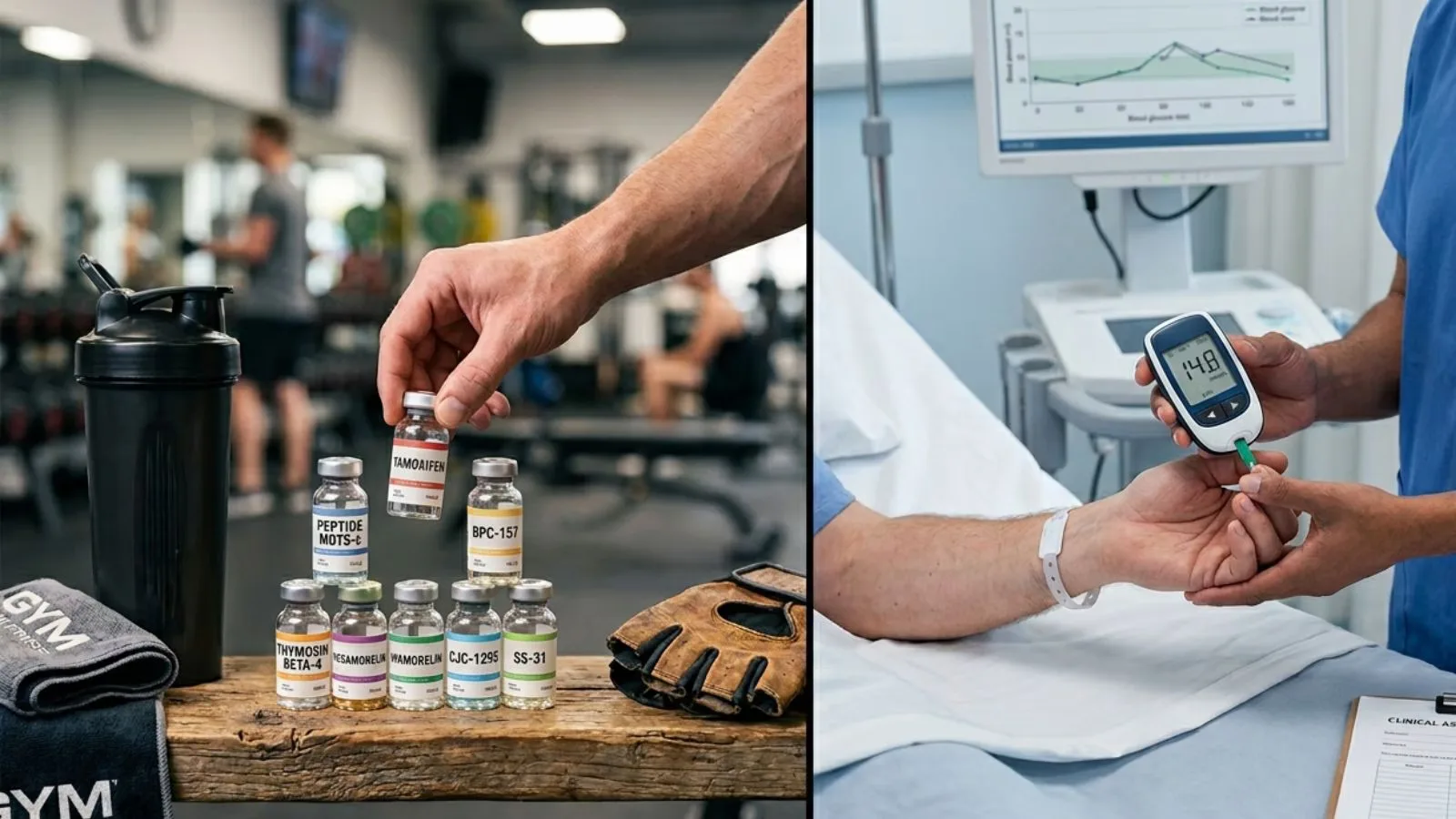
'Gym Peptides Gave Me Diabetes': Actor's Story Reveals Dark Side
A disciplined 35-year-old film actor walked into a Mumbai clinic with Type 2 diabetes after two years of unregulated peptide injections for a muscular physique. Recommended by his gym trainer, drugs like MOTS-c and tamoxifen wreaked havoc, causing insulin resistance. Experts reveal the growing misuse in fitness circles and how to spot the risks.
6 min read
Inside the Grey Market Peptide Boom: 'I'm Not Comfortable with Myself'
Dale, a 38-year-old former army HGV driver, shed pounds on Mounjaro but turned to grey market peptides when prices soared. Inside Discord groups buzzing with rave reviews, he bought unlicensed BPC157 and CJC-1295 with Ipamorelin. This glimpse reveals the booming, risky world of grey market peptide sourcing for weight loss.
5 min read